
ปีนี้ ครูผู้นำฯ ทั้ง 70 คน ผ่านโปรแกรมฝึกงานเชิงวิชาชีพ (Professional Practicum) กับองค์กรพันธมิตร 47 แห่ง ใน 23 จังหวัด โดย 30% ฝึกงานกับองค์กรด้านนวัตกรรมทางสังคม 27% กับองค์กรด้านนโยบาย 17% กับหน่วยงานภาครัฐโดยตรง 9% กับโครงการในโรงเรียน ส่วนที่เหลือกระจายอยู่ในองค์กรด้านอุดมศึกษา ผู้นำโรงเรียน และภาคเอกชน ผลตอบรับจากองค์กรที่รับฝึกงานชัดเจน: 100% ยินดีร่วมงานกับเราอีกในปีหน้า และ 76% บอกว่าจะพิจารณารับครูผู้นำฯ เข้าทำงานต่อ โดยชื่นชมจุดแข็งอย่างความสามารถในการปรับตัว ความกระตือรือร้นในการเรียนรู้ และความรับผิดชอบ
ครูผู้นำฯ รุ่น 11 สองคน: ปาล์มฝึกงานที่ Ashoka Thailand ส่วนโฟนฝึกงานที่สำนักงานเลขาธิการสภาการศึกษา ทั้งคู่กลับมาพร้อมมุมมองใหม่ที่เปลี่ยนวิธีการสอนของพวกเธอ
ปาล์ม - ปสุตา พันธชาตินิยม เคยเป็นผู้จดบันทึกการสัมภาษณ์รอบสุดท้ายของโครงการ ASHOKA NextGen Changemakers และเห็นแววตาของเยาวชนที่เข้าร่วมโครงการนี้ นั่นเป็นเหตุผลที่เธอเลือกฝึกงานกับมูลนิธิอโชก้าฯ ในบทบาทผู้จัดการโครงการ เพื่อเรียนรู้ว่าจะจุดประกายแบบเดียวกันในห้องเรียนของตัวเองได้อย่างไร
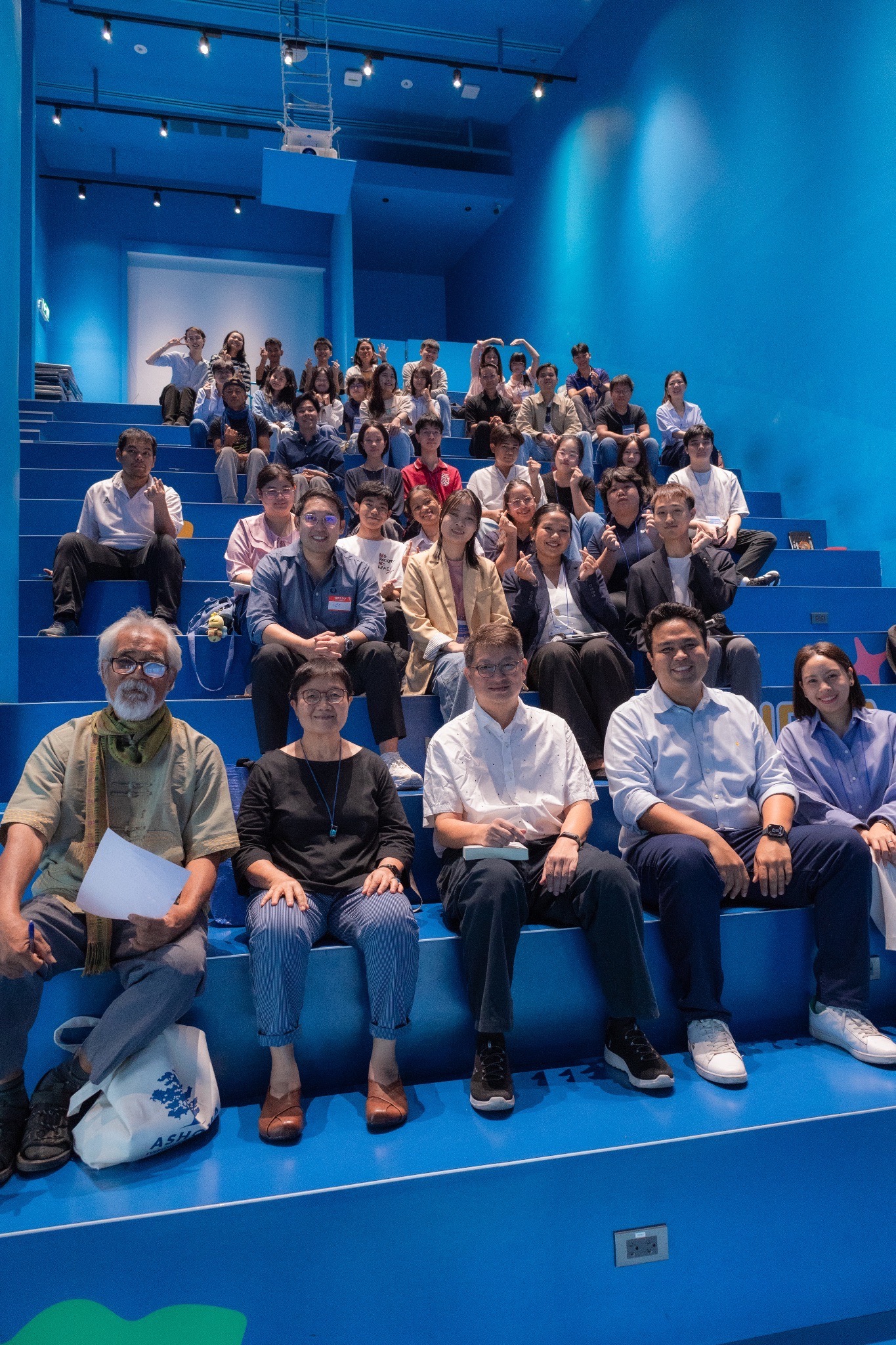
และเธอกลับมาพร้อมความเชื่อว่า การจะเป็นผู้นำการเปลี่ยนแปลงได้ ต้องเริ่มจากตัวเองก่อน นี่คือบทเรียนที่เธอนำมาใส่ไว้ในวิชา "ป่ารักษ์น่าน" วิชาที่ใช้หนังสั้นเกี่ยวกับการตัดไม้ทำลายป่าและสัตว์สงวนในน่านเป็นสื่อการสอน เมื่อให้นักเรียนสวมบทบาทเป็นผู้ว่าราชการจังหวัด นักเรียนเสนอทางออกจริง: ให้ความรู้ชุมชน จัดกิจกรรมอนุรักษ์ และเพิ่มงบประมาณดูแลป่า
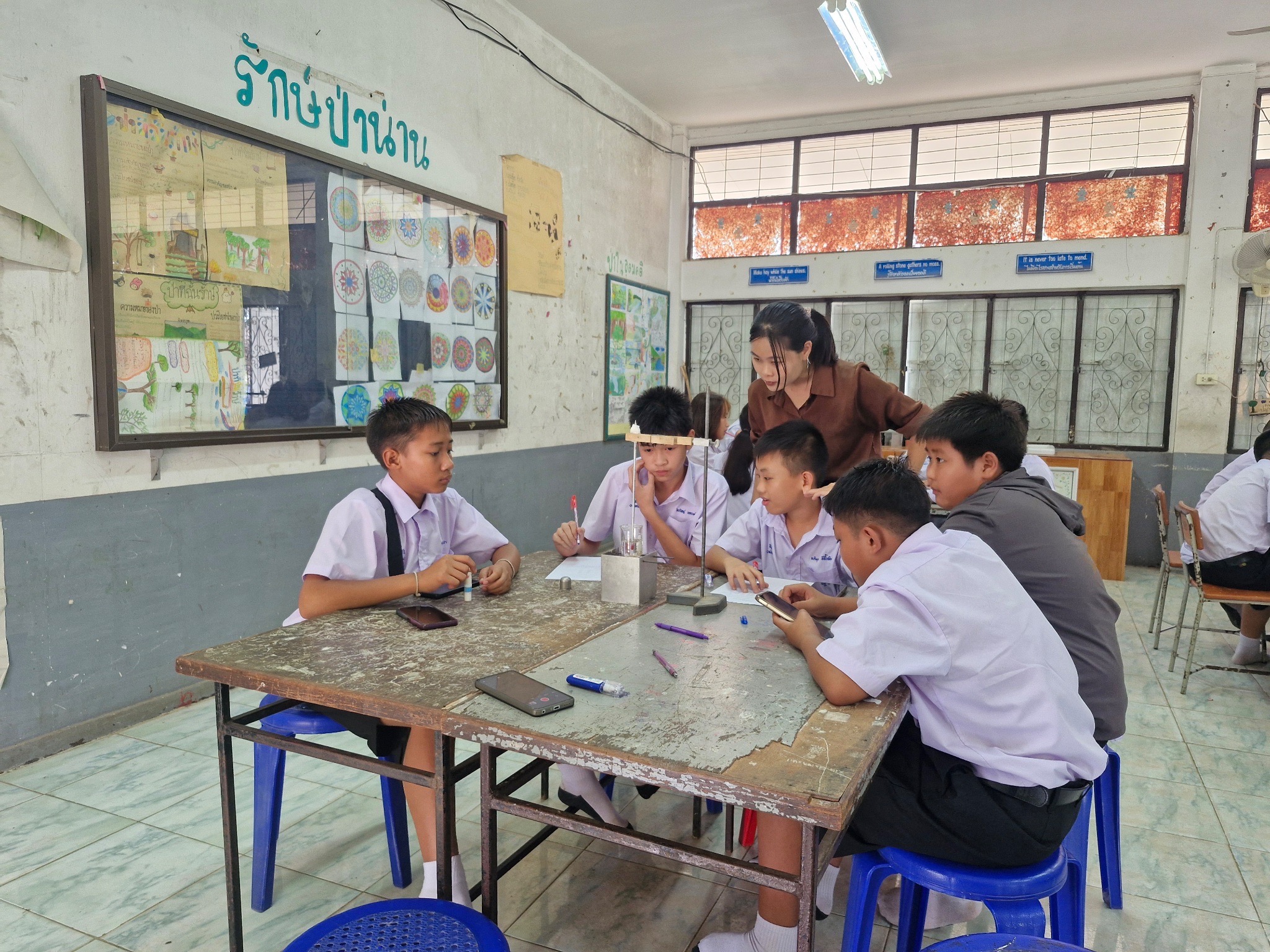
แต่การเปลี่ยนแปลงที่สำคัญที่สุดเกิดขึ้นนอกห้องเรียน เมื่อรู้ว่านกที่ครอบครัวในชุมชนนิยมเลี้ยงอาจเป็นสัตว์อนุรักษ์ เด็กๆ เริ่มตรวจสอบว่านกที่บ้านตัวเองเลี้ยงอยู่นั้นมีการจดทะเบียนถูกกฎหมายหรือเปล่า และกิจกรรมหลังเลิกเรียนที่เคยเป็นแค่การตกปลาโดยไม่ได้คิดอะไร ก็เปลี่ยนเป็นการที่เด็กเริ่มเลือกสถานที่ที่ได้รับอนุญาตและไม่รบกวนระบบนิเวศ
พฤติกรรมในชีวิตประจำวันที่เปลี่ยนไปเหล่านี้คือสัญญาณว่าเด็กๆ ไม่ได้แค่เรียนรู้เรื่องการอนุรักษ์ แต่เริ่มนำมันไปเป็นส่วนหนึ่งของชีวิตตัวเองแล้ว
โฟน - ณิชมาศย์ วัฒนศิริภาวงศ์ ฝึกงานที่สำนักงานเลขาธิการสภาการศึกษา โดยหน้าที่หลักคือแปลงงานวิจัยวิชาการจากต่างประเทศให้เป็นภาษาที่คนทำงานด้านนโยบายและครูนำไปใช้ได้จริง
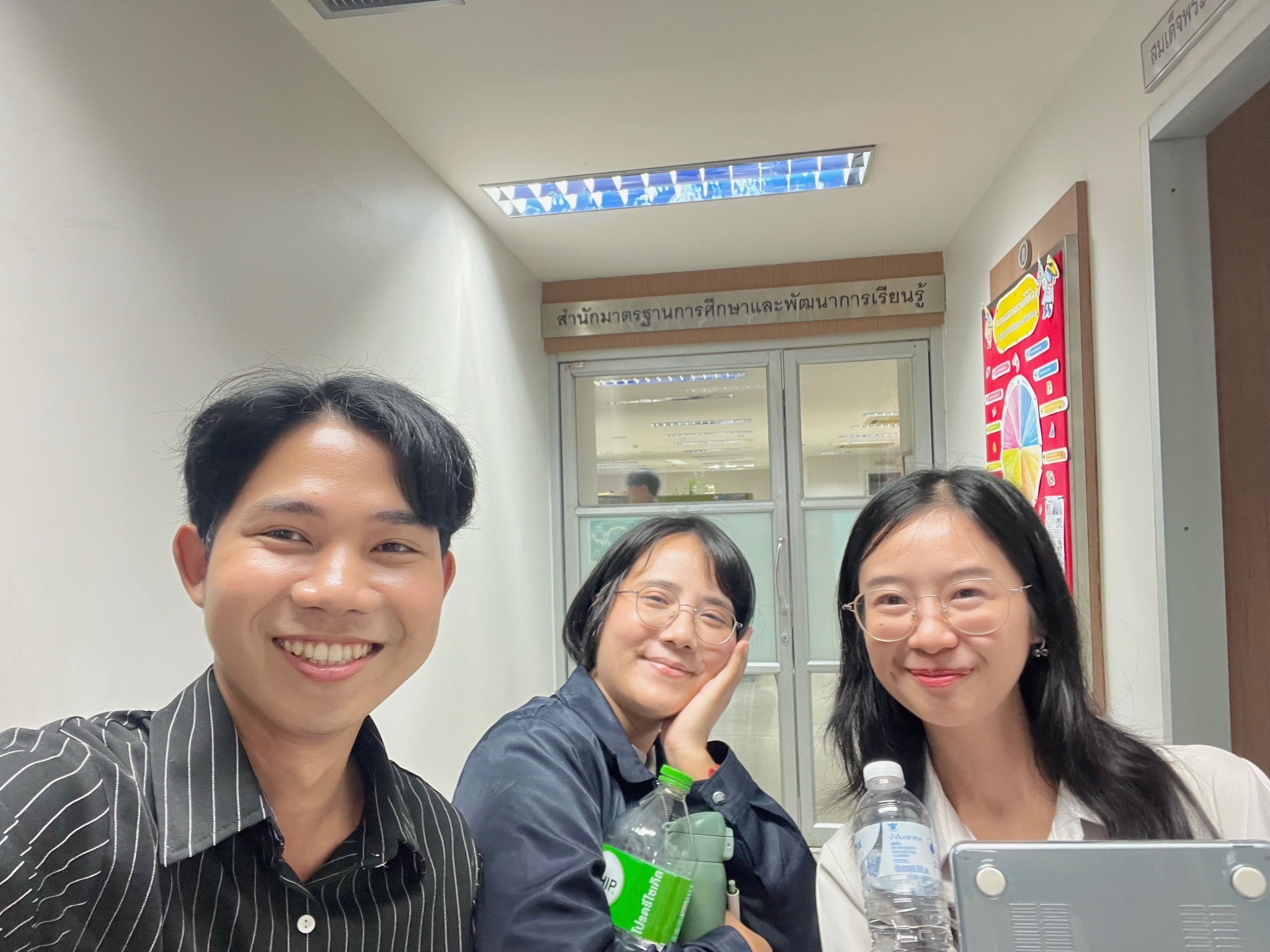
เธอนำทักษะการ "แปลให้เข้าใจง่ายและใช้ได้จริง" นี้กลับมาใช้ในห้องเรียนของตัวเอง แต่ปรับใช้ให้แตกต่างกันตามกลุ่มนักเรียน สำหรับห้องเรียนทั่วไป เธอสร้างกิจกรรมถามตอบพร้อมรางวัลเพื่อกระตุ้นการมีส่วนร่วม ส่วนนักเรียนที่มีความต้องการพิเศษ เธอเก็บข้อมูลวิธีเรียนของนักเรียนแต่ละคน แล้วสอดแทรกเนื้อหาบทเรียนเข้าไปในสิ่งที่พวกเขาสนใจเป็นการส่วนตัว
ผลลัพธ์ที่เห็นได้ชัดคือ นักเรียนมีส่วนร่วมในห้องเรียนเพิ่มขึ้นจาก 50% เป็น 80%: นักเรียนส่วนใหญ่ที่เคยนั่งเงียบในชั้นเรียน ตอนนี้กลับมามีบทบาทในการเรียนอย่างจริงจัง
เมื่อครูเติบโตออกไปนอกห้องเรียน นักเรียนก็เติบโตไปด้วย การลงทุนในครูผู้นำฯ คือการลงทุนในเด็กทุกคนที่พวกเขาได้สอน
ร่วมสนับสนุนให้ครูผู้นำฯ รุ่นต่อไปได้ยืนอยู่ในห้องเรียนที่ต้องการพวกเขามากที่สุด
📩 partnerships@teachforthailand.org
Fellows' Practicum Drives Further Student Growth
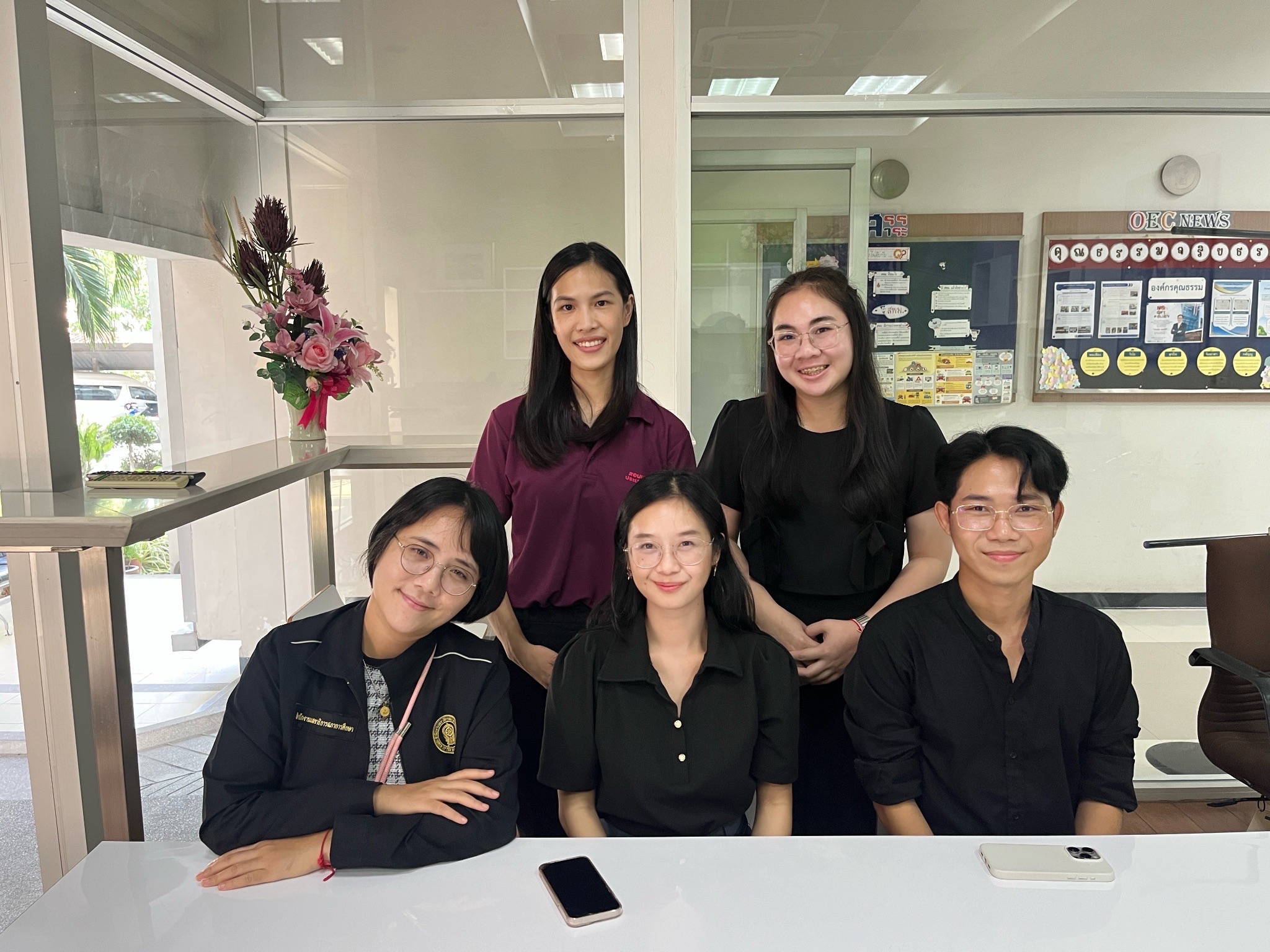
This year, all 70 Fellows completed a Professional Practicum with 47 partner organizations across 23 provinces. 30% worked in social innovation and social impact organizations, 27% in policy and government-related organizations, 17% directly in government, 9% on school projects, and the remaining Fellows split across higher education, school leadership, and private/corporate partners. Host organizations took notice: 100% said they'd partner with us again next year, and 76% said they'd consider hiring a Fellow, citing strengths like adaptability, learning agility, and ownership.
Two Fellows from Cohort 11 came back with a new way of teaching. Palm interned at Ashoka Thailand. Phone interned at the Office of the Education Council. Both returned with new mindsets that transformed how they teach.
Palm - Pasuta Phanchatniyom once sat in on final interviews for Ashoka Thailand's Youth Leadership Program and saw a spark in the young changemakers she met there. She joined Ashoka as a project manager hoping to learn how to spark that same drive in her own students.
And she came back believing that real change starts with self-awareness and responsibility. That's the exact lesson she built into "Nan Forest Guardians," a project-based course using short films about deforestation and protected wildlife in Nan. When asked to think as the Governor, students proposed real solutions: educating local communities, organizing conservation programs, and increasing budget allocation for forest protection.
But the most meaningful transformation happened beyond the classroom. When students learned that the birds commonly kept by families in their community might actually be protected species, they began checking whether the birds in their own homes had been legally registered. Even after-school fishing trips, once just a casual pastime, changed. Students started choosing designated fishing areas and became more mindful of protecting local ecosystems.
These small but significant changes in their everyday behavior were a sign that the students had not only learned from the classroom, they had begun to make it part of their lives and who they are.
Phone - Nichamas Wattanasiripawong interned at the Office of the Education Council, where her main job was translating complex international research into language that policymakers and educators could actually use.
She brought that same instinct for making things clear and usable back to her own classroom but applied it differently depending on who she was teaching. For her general classroom, she introduced interactive Q&A activities with small rewards to build participation. For students with special learning needs, she tracked how each one learned best then wove lesson content into subjects they personally cared about.
The impact was clear: classroom participation increased from 50% to 80% which means most students who once sat quietly through lessons were now actively taking part.
When Fellows grow beyond the classroom, their students grow with them. Investing in a Fellow means investing in every student they will ever teach.
Join us in supporting more Fellows to stand in the classrooms that need them most.
📩 partnerships@teachforthailand.org