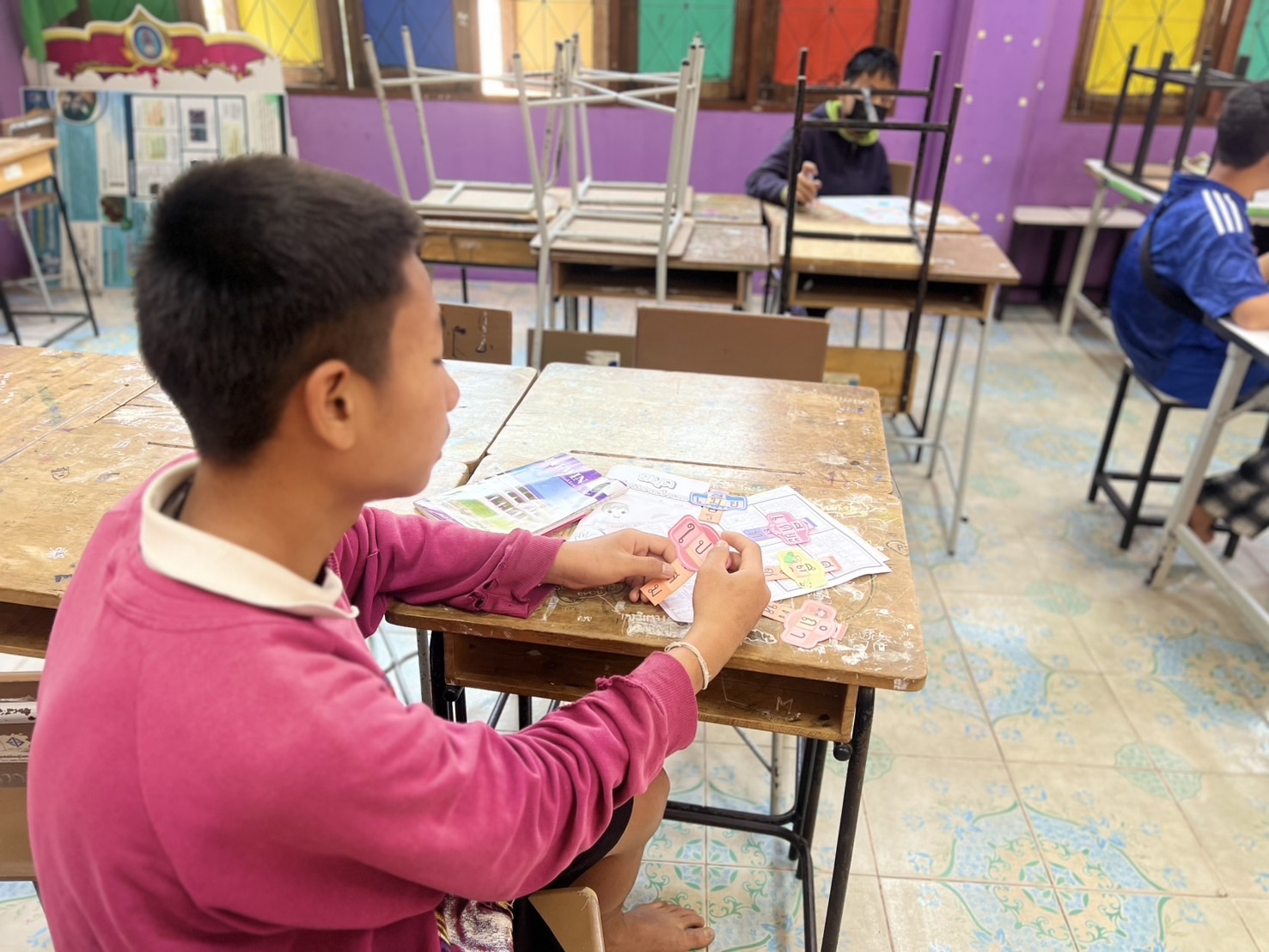
ที่โรงเรียนแม่วินสามัคคี จ.เชียงใหม่ นักเรียนกว่า 90% เป็นชาวกะเหรี่ยงและใช้ภาษากะเหรี่ยงในชีวิตประจำวันมากกว่าภาษาไทย หลายคนอ่านเขียนภาษาไทยไม่คล่อง วันหนึ่ง ครูผู้นำฯ ตัดสินใจอ่านข้อสอบออกเสียงให้นักเรียนคนหนึ่งฟัง คะแนนของเขาพุ่งจาก 2 เป็น 17 จาก 20 คะแนน ครูทั้งโรงเรียนจึงเริ่มมองย้อนกลับไปที่ห้องเรียนของตัวเอง และพบว่าปัญหาเดียวกันนี้เกิดขึ้นในวงกว้าง โรงเรียนจึงจัดคอร์สภาษาไทยระยะสั้น 2 สัปดาห์ในช่วงปิดเทอมเพื่อแก้ปัญหาให้ตรงจุด
หมิว - พิชญ์ชญิศา บุญใส ครูผู้นำการเปลี่ยนแปลง รุ่น 12 สอนวิทยาศาสตร์ที่โรงเรียนนี้ ตั้งแต่เดือนแรกในห้องเรียน เธอสังเกตเห็นว่านักเรียนมีความกระตือรือร้นที่จะเรียนรู้ แม้หลายคนจะยังอ่านเขียนภาษาไทยไม่คล่องก็ตาม
แทนที่จะสอนตามแผนเดิม เธอเลือกนับหนึ่งใหม่ไปพร้อมกับเด็กๆ
"เรานับหนึ่งให้เขาใหม่เลย ไม่อยากปล่อยเหมือนที่ผ่านมา สำหรับเด็กที่อ่านไม่ออก เขียนไม่ได้ เราสร้างสื่อที่เป็นรูปภาพ แล้วพยายามนำสิ่งที่อยู่ในชีวิตประจำวันมาเชื่อมให้นักเรียนเข้าใจมากที่สุด" เธอกล่าว
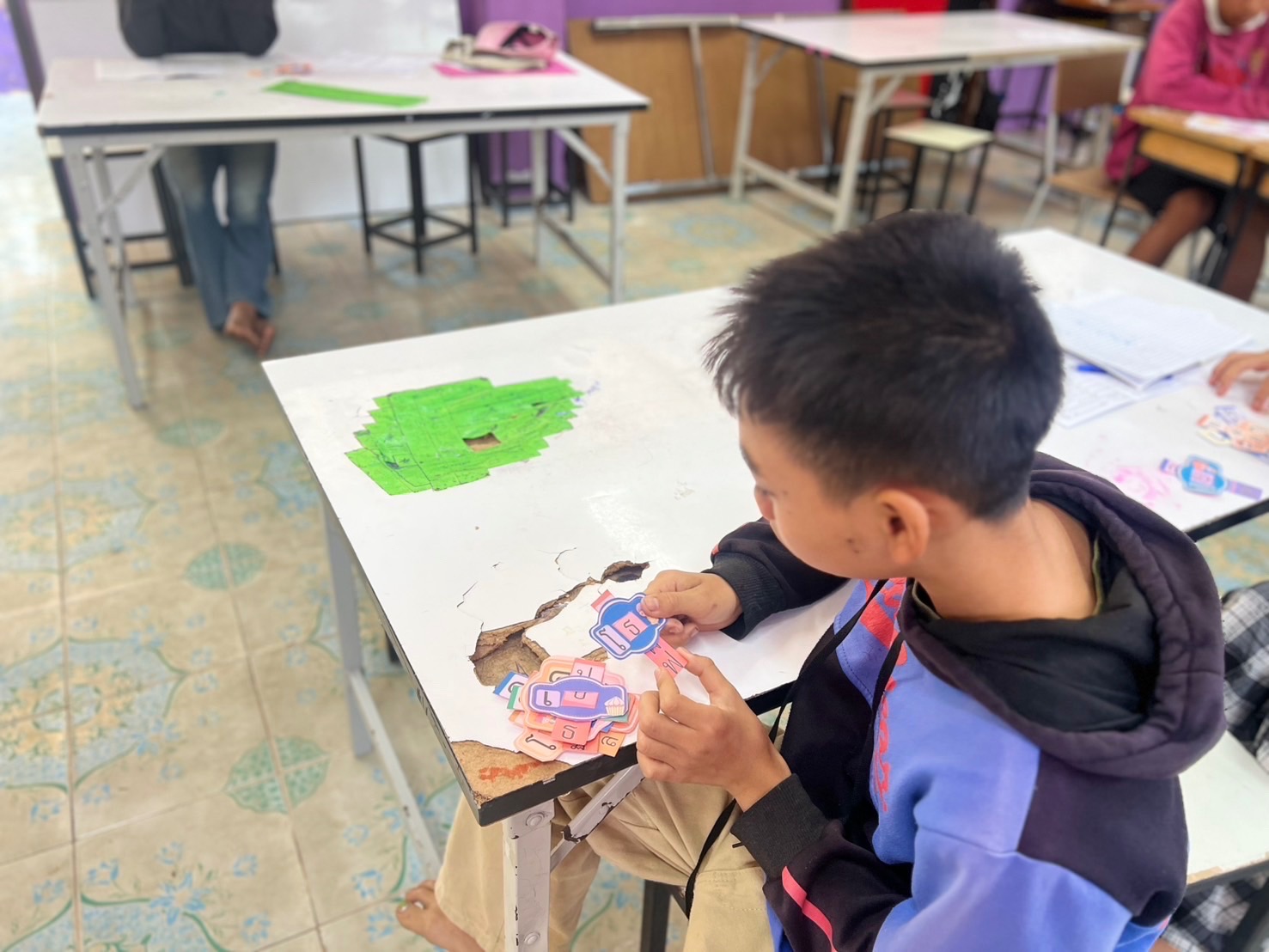
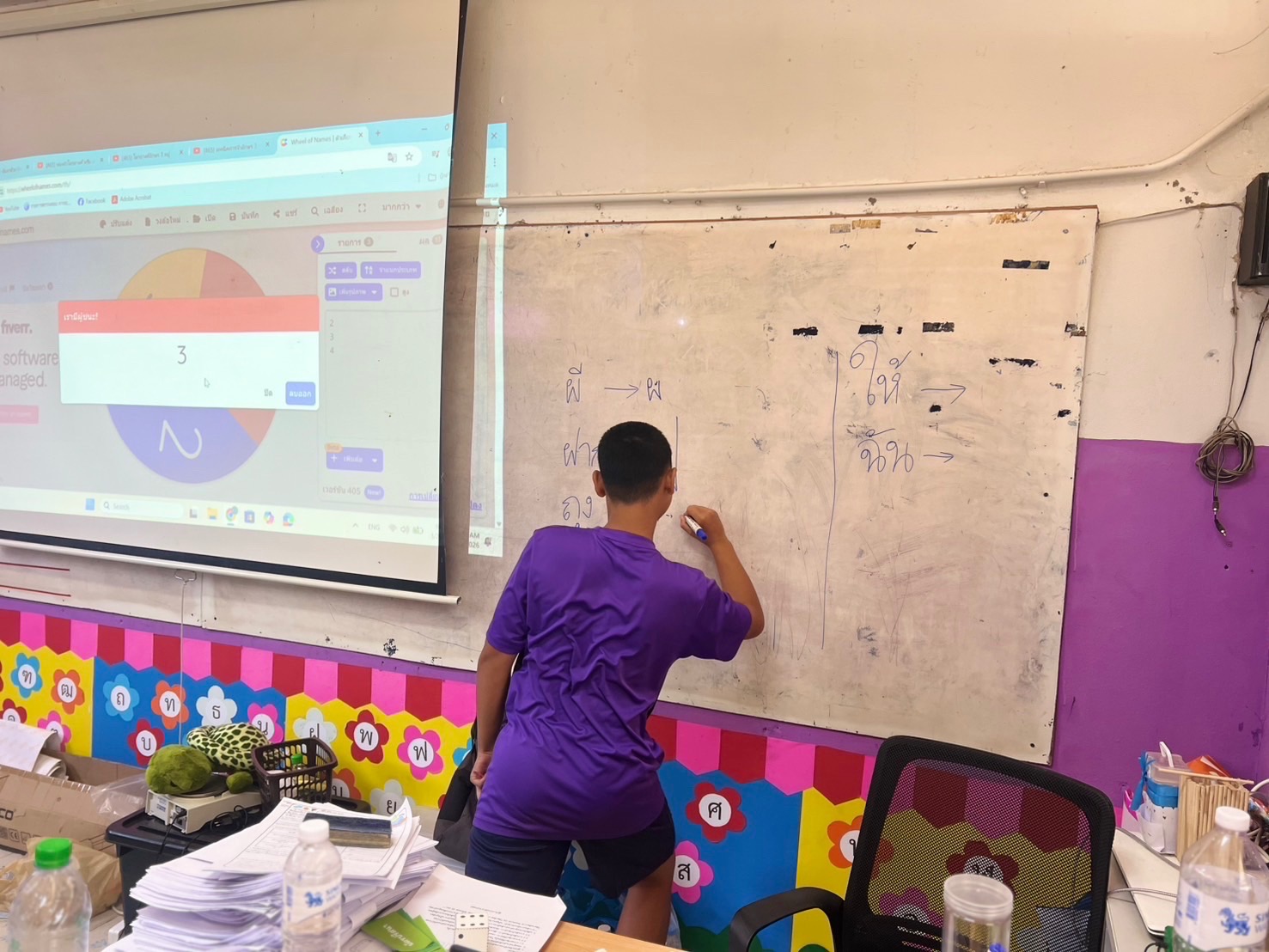
โรงเรียนมีคลินิกภาษาอยู่แล้ว แต่ภาระงานครูทำให้ขาดความต่อเนื่อง เด็กหลายคนจึงยังตามไม่ทัน
คืนก่อนสอบปลายภาค นักเรียนคนหนึ่งเดินมาหาเธอ เขาไม่ได้ขอให้บอกคำตอบ แค่อยากให้เธออ่านโจทย์ให้ฟัง เพราะเขามีความรู้อยู่แล้ว เพียงแค่อ่านโจทย์คำถามไม่ออก
หมิวตัดสินใจทันที เธออ่านข้อสอบให้เขาฟัง แล้วให้เขาเลือกคำตอบเอง
ครูบางท่านไม่เห็นด้วย ตั้งคำถามว่าถ้าอ่านข้อสอบให้วันนี้ เด็กจะพึ่งตัวเองได้ในระยะยาวไหม หมิวไม่หลีกเลี่ยงคำถามนั้น เธอพูดเหตุผลนี้ในที่ประชุมครูตรงๆ ว่า การอ่านข้อสอบให้ฟังไม่ได้ทำให้การวัดผลเสียความยุติธรรม เพราะนี่คือข้อสอบวิทยาศาสตร์ ไม่ใช่ข้อสอบการอ่าน การอ่านให้ฟังจึงทำให้เด็กแสดงความรู้ที่มีอยู่จริงได้
คะแนนของนักเรียนคนนั้นเพิ่มจาก 2 เป็น 17 คะแนน จาก 20 คะแนน
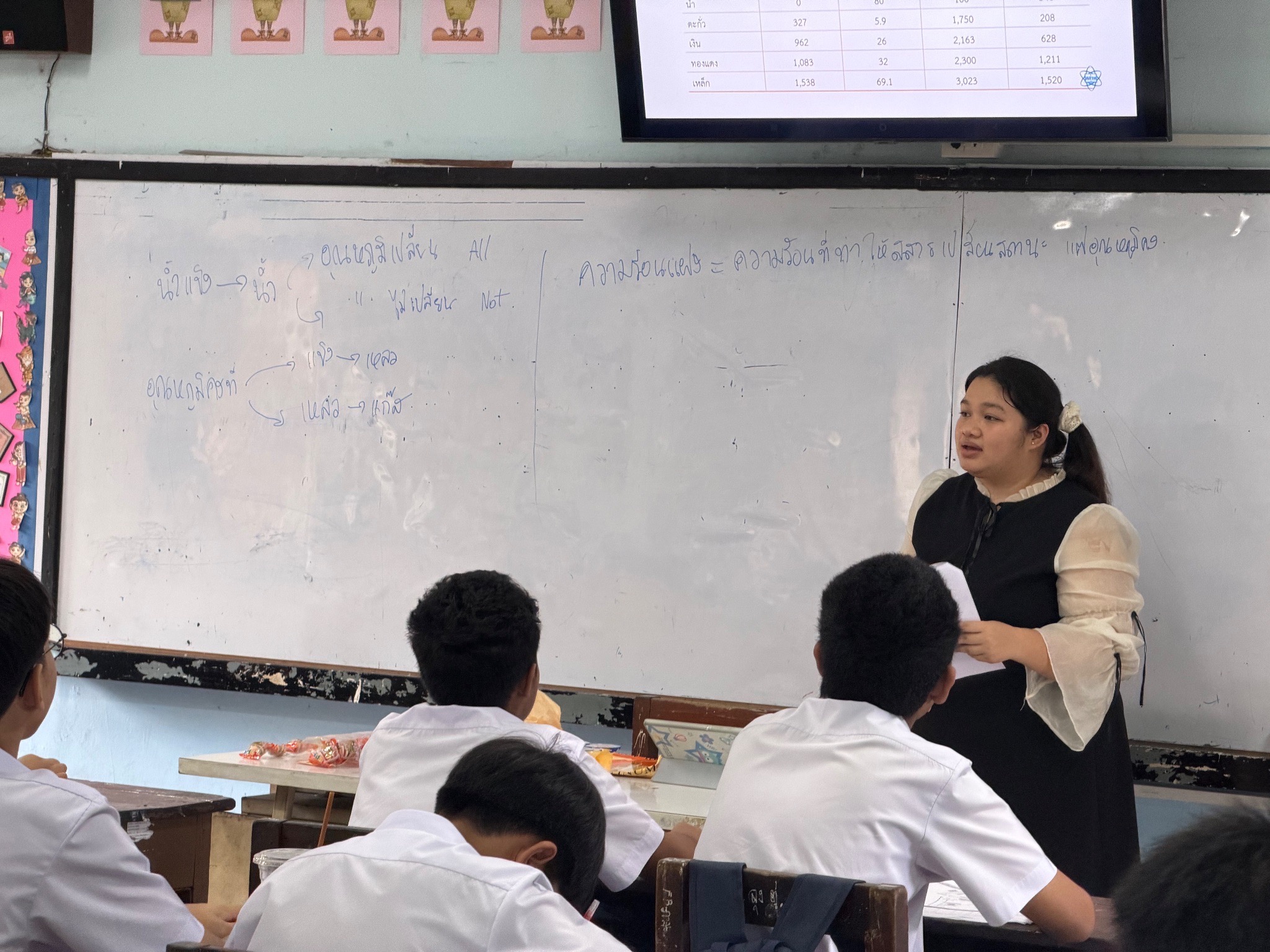
แต่สิ่งที่สำคัญกว่าตัวเลขคือบทสนทนาที่เกิดขึ้นในห้องประชุมครู ทำให้โรงเรียนพบว่ายังมีนักเรียนในระดับชั้นอื่นที่เผชิญความท้าทายเดียวกัน โรงเรียนจึงจัดคอร์สภาษาไทยระยะสั้น 2 สัปดาห์ในช่วงปิดเทอม เพื่อให้เด็กๆ พร้อมกว่าเดิมเมื่อเปิดเทอมใหม่
"บางคนบอกว่าก็ช่างไปสิ เด็กไม่คิดจะพัฒนาตัวเอง แต่ความจริงเราช่วยเด็กได้ เขามีสิทธิที่จะเรียนรู้และทำให้สำเร็จ" หมิวกล่าว
นี่คือความหมายของการมีครูผู้นำฯ อยู่ในห้องเรียน ไม่ใช่แค่สอน แต่มองเห็นในสิ่งที่คนอื่นอาจมองข้าม
ร่วมสนับสนุนให้ครูผู้นำฯ รุ่นต่อไปได้ยืนอยู่ในห้องเรียนที่ต้องการพวกเขามากที่สุด
📩 partnerships@teachforthailand.org
One Exam Read Aloud Led an Entire School to Rethink How It Teaches Reading
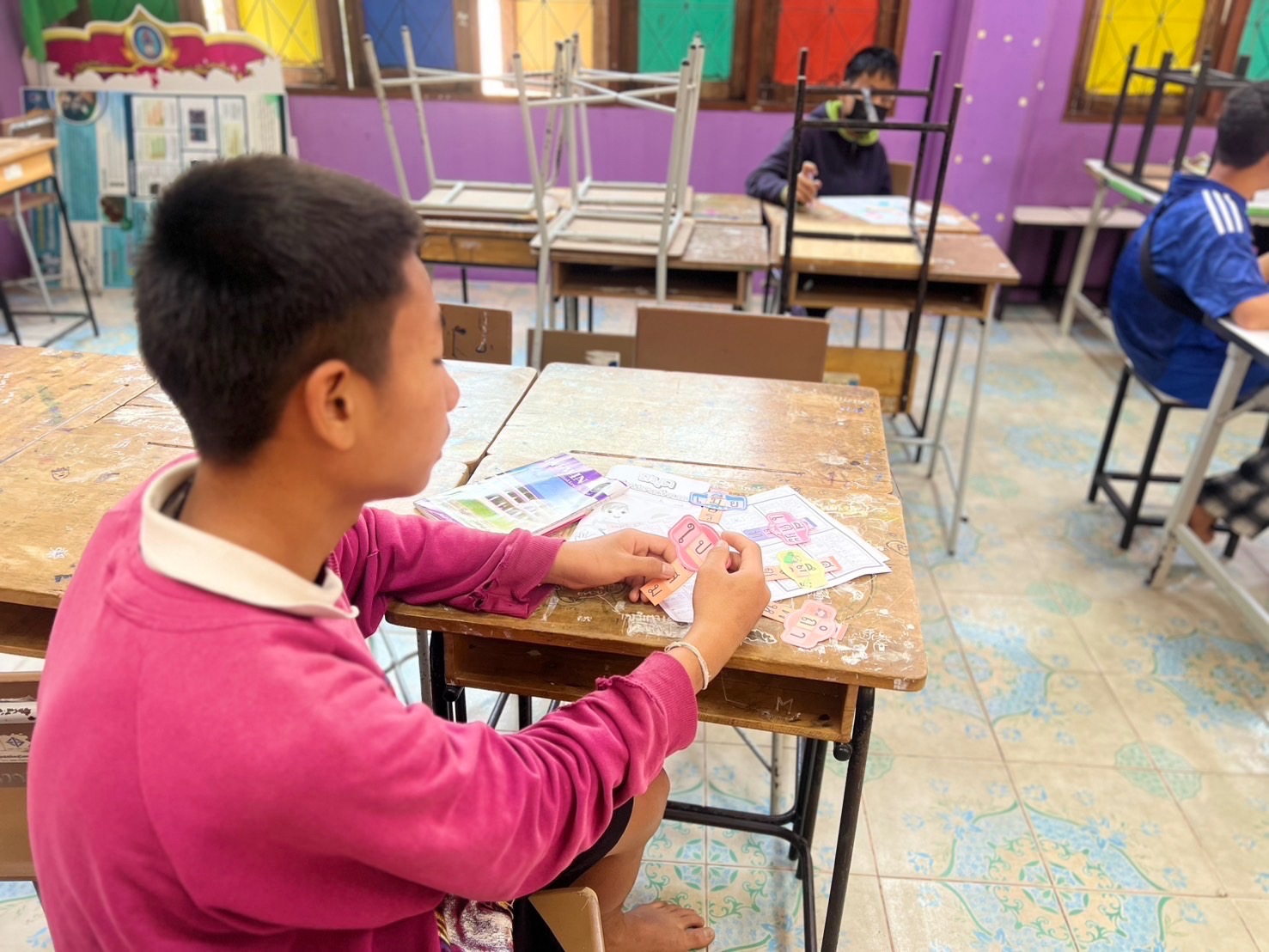
At Maewinsamakkee School in Chiang Mai, more than 90% of students are Karen (an ethnic minority group in Thailand), many of whom speak Karen as their first language and are still building fluency in Thai. Before one exam, a student asked her Fellow, Mew, if she could read the exam questions aloud to him, since he struggled to decode Thai. It was a science exam, not a reading test, so Mew agreed. Reading the questions aloud let him answer based on what he actually knew, instead of being blocked by words he couldn't read. His score jumped from 2 to 17 out of 20. Teachers then realized the same reading gap showed up in other grades too and the school responded with a two-week Thai literacy course during the school break to help close it.
Mew – Pitchayachisa Boonsai, a Cohort 12 Fellow, teaches science at the school. From her first month in the classroom, she noticed her students' curiosity and desire to learn were still there, especially in science class even though many of them could not yet read or write fluently in Thai.
Instead of following the curriculum, she chose to start from the beginning alongside them.
"We started over together. I didn't want to let things continue as they had before. For students who couldn't read or write, I created visual learning materials and connected lessons to things they encounter in everyday life so they could understand more easily," she said.
The school already had a language support program, but limited teacher capacity made it hard to sustain, so students kept falling behind.
Then, the night before final exams, one student came to her with a request: he didn't want to guess at answers and he wasn't asking her to tell him what to write, he just wanted her to read the questions aloud so he could show what he already knew.
Mew made a decision. She would read the exam aloud and let him choose his own answers.
Some teachers disagreed. They questioned whether reading the exam aloud would help him learn to read independently in the long run. Mew didn't avoid the conversation, instead she raised it directly in a staff meeting. Her point was specific: reading the questions aloud didn't compromise the exam's fairness. It was a science test, not a reading test and reading it aloud simply let the exam measure what it was meant to measure.
The student's score went from 2 to 17 out of 20.
But the more important outcome wasn't the score. The conversation it sparked among teachers led the school to recognize that students in other grades were facing the same challenge. During the school break, the school organized a two-week Thai literacy course to help close that gap before the next school year began.
"Some people say we should just leave it or that students don't want to improve. But the truth is, we can help them. They have the right to learn and the opportunity to succeed," Mew said.
This is what it means to have a Fellow in the classroom: not only teaching a subject, but helping a school see clearly what had gone unnoticed for too long.
Join us in supporting more Fellows to stand in the classrooms that need them most.
📩 partnerships@teachforthailand.org