
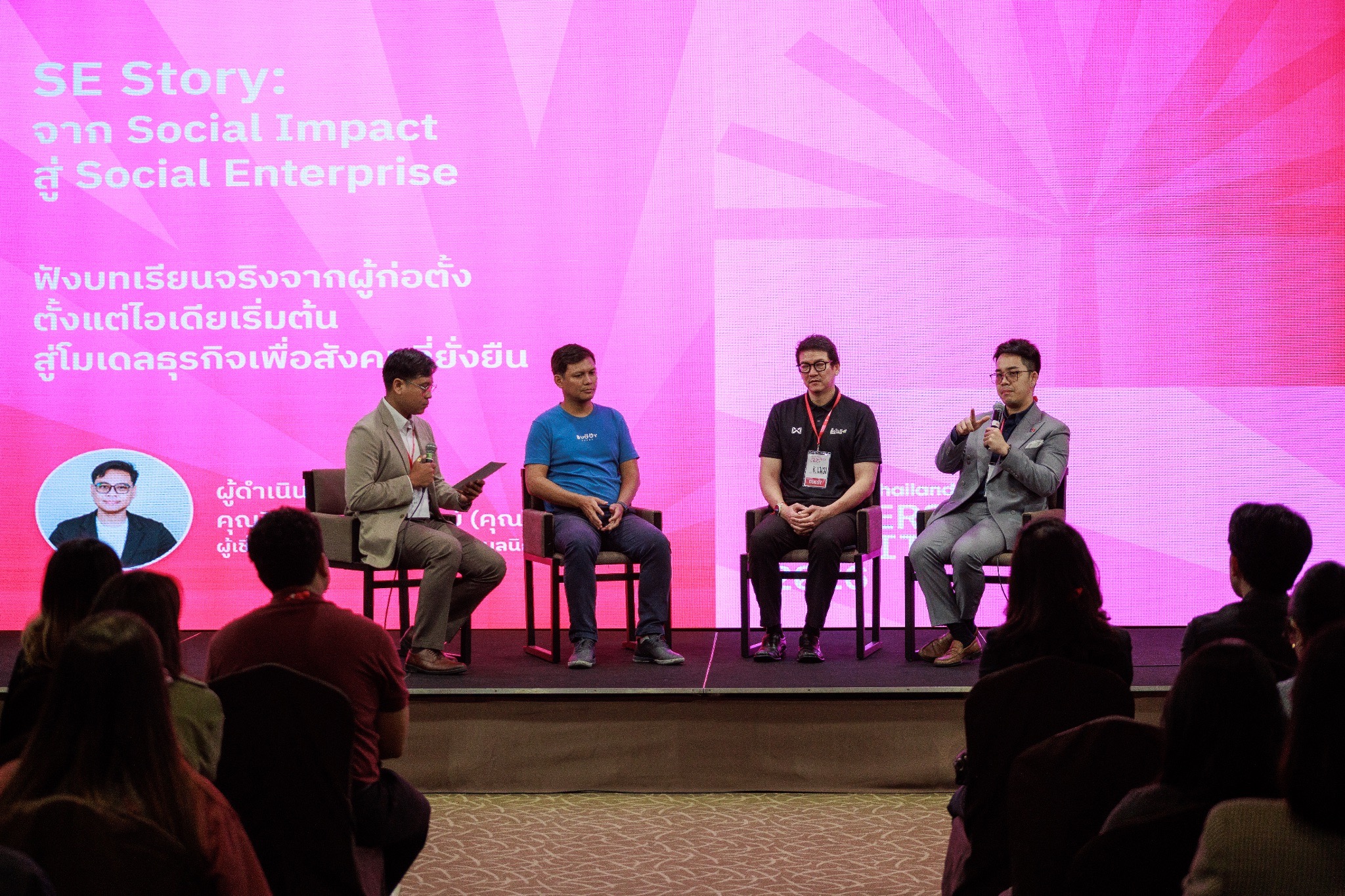
เพราะการทำธุรกิจเพื่อสังคมต้องอาศัยความรู้ การเข้าใจปัญหา การลงมือทำจริง และความเข้าใจด้านธุรกิจ จึงเป็นที่มาของวงเสวนา Leadership Panel 3: SE Story จาก Social Impact สู่ Social Enterprise ในงาน Leadership Summit 2026 โดยทีช ฟอร์ ไทยแลนด์ ที่ชวน คุณณฐกร อสุนี ณ อยุธยา ผู้จัดการทั่วไป สมาคมธุรกิจเพื่อสังคม (SE Thailand) คุณธนะชัย สุนทรเวช ผู้ดูแลโครงการ “ตั้งต้นดี” สถาบันเพื่อการยุติธรรมแห่งประเทศไทย (TIJ) และ คุณเจนวิทย์ วิโสจสงคราม กรรมการบริหารและผู้ร่วมก่อตั้ง Buddy HomeCare วิสาหกิจเพื่อสังคม มาแลกเปลี่ยนแก่นการทำธุรกิจเพื่อสังคม ประสบการณ์จากการลงมือทำ และการต่อยอดเป้าหมายทางสังคมให้เกิดขึ้นได้จริง
หากมองภาพรวมระบบนิเวศของธุรกิจเพื่อสังคมในประเทศไทย คุณณฐกรอธิบายว่า หัวใจของธุรกิจเพื่อสังคมคือการสร้างสมดุลระหว่างการแก้ไขปัญหาสังคมกับการบริหารจัดการแบบภาคธุรกิจ โดยมีเป้าหมายทางสังคมและสิ่งแวดล้อมเป็นหลัก ดังนั้น การเริ่มต้นทำ SE จึงต้องเริ่มจากการเข้าใจรากปัญหาจริงๆ แล้วค่อยนำไปพัฒนาเป็นสินค้าหรือบริการที่ตอบโจทย์กลุ่มเป้าหมาย ควบคู่กับการสร้างรายได้ให้องค์กรเติบโตและพึ่งพาตนเองได้
"เป้าหมายในการทำธุรกิจสำคัญมาก เพราะมันคือเครื่องมือการแก้ปัญหาทางสังคมหรือสิ่งแวดล้อมอย่างลึกซึ้งที่ทำให้ผลลัพธ์ทางสังคมดีขึ้น”
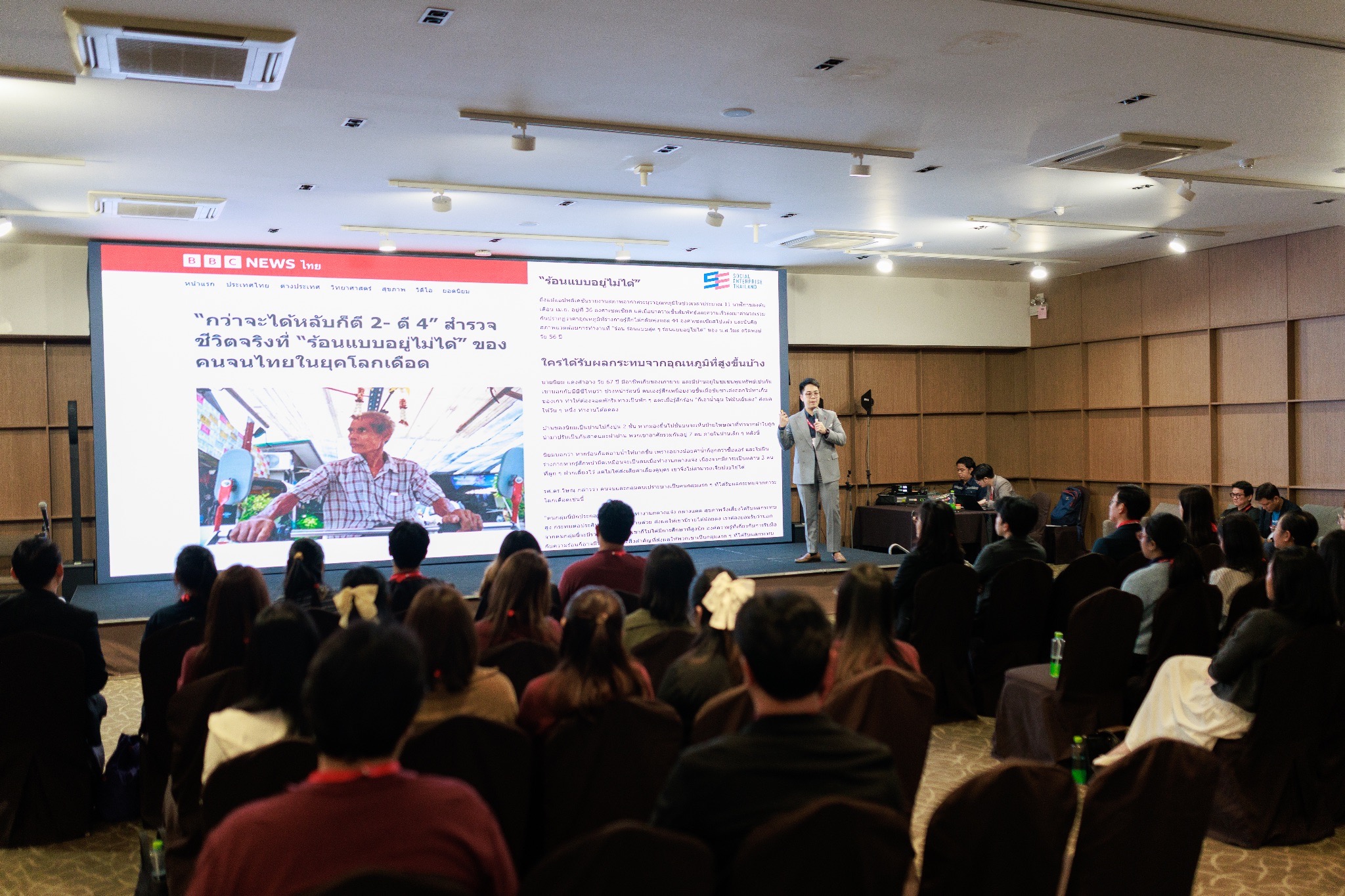
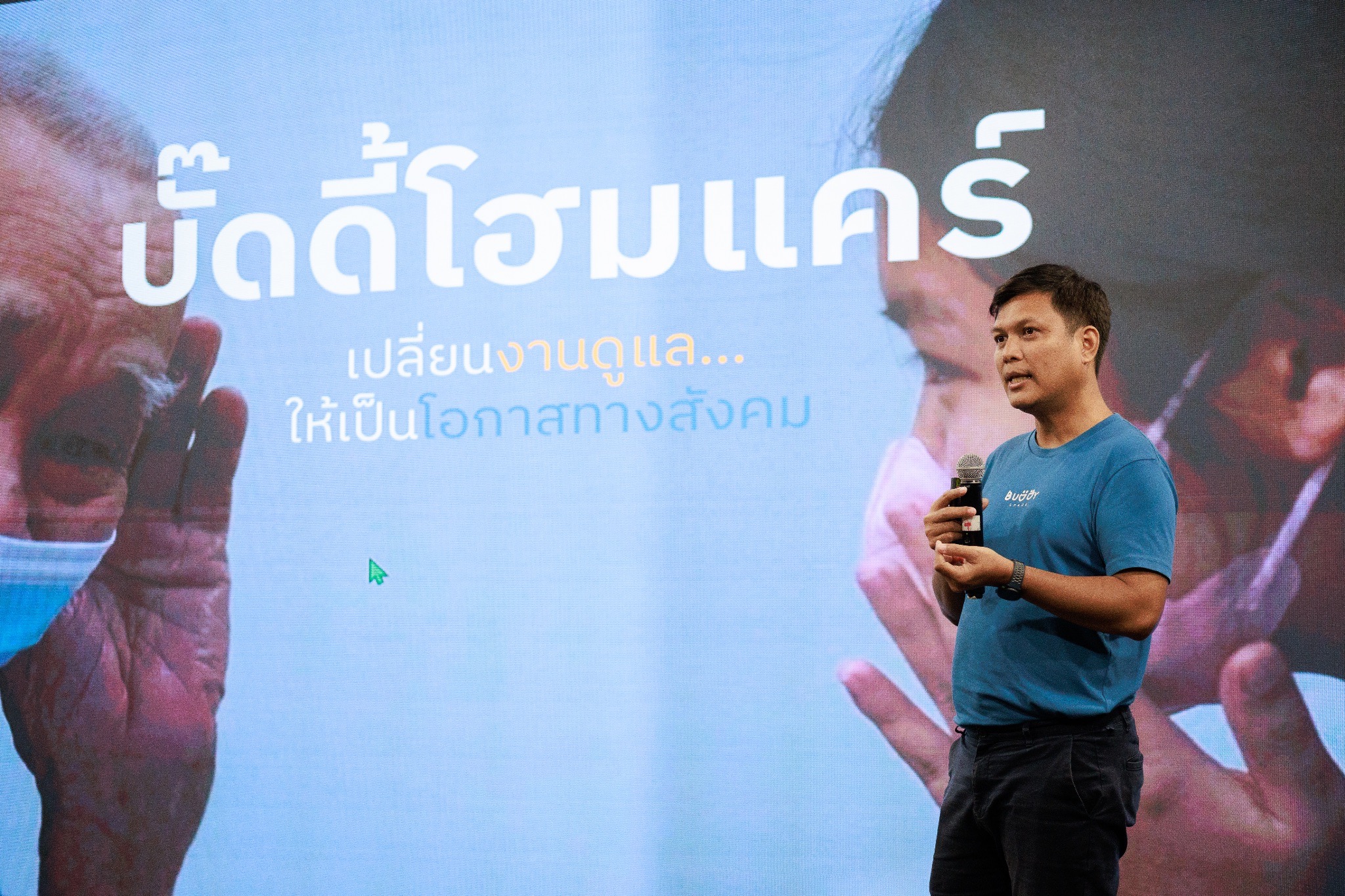
ส่วนธุรกิจที่ต้องทำงานกับความเปราะบาง อย่างเยาวชนชาติพันธุ์และผู้สูงอายุอย่าง Buddy Homecare คุณเจนวิทย์บอกว่า อย่าปล่อยให้อารมณ์หรืออคติส่วนตัวเข้ามาบดบังการทำความเข้าใจปัญหา
โมเดลนี้ช่วยสร้างโอกาสทางอาชีพให้เยาวชนและตอบโจทย์การดูแลผู้สูงอายุในชุมชน แต่เจนวิทย์ยังเน้นย้ำว่า การทำงานกับผู้คนต้องอาศัยความเข้าใจปัญหาจากมุมมองของพวกเขา โดยไม่ปล่อยให้อารมณ์หรืออคติส่วนตัวเข้ามาบดบังการทำความเข้าใจ
“เวลาไปดูแลคนอื่น แล้วเราไม่เข้าใจเขา อย่าเอาปัญหาของเขามาใส่ในตัวเอง เราต้องเป็นคน Enlighten มองปัญหานั้นให้ออก แล้วแก้ปัญหาให้ได้”
ระหว่างการทำธุรกิจ เจ้าของธุรกิจอาจมีคำถามจากตัวเองและคนรอบข้าง คุณณฐกรย้ำว่า ไม่มีช่วงเวลาที่สมบูรณ์แบบที่สุดสำหรับการเริ่มต้นทำธุรกิจเพื่อสังคม การทดลองทำจริงและเรียนรู้จากสิ่งที่เกิดขึ้นหน้างานจะช่วยลดความผิดพลาด และทำให้ผู้ประกอบการค่อยๆ พัฒนาวิธีทำงานให้ดีขึ้น
"การทำธุรกิจคิดได้ แต่มันไม่มี Perfect Timing คิด ลอง ลุก ล้ม Bounce ไปเรื่อยๆ แล้วสักพัก เราจะ Bounce น้อยลง เริ่มล้มน้อยลง แล้วยืนได้นานขึ้น"
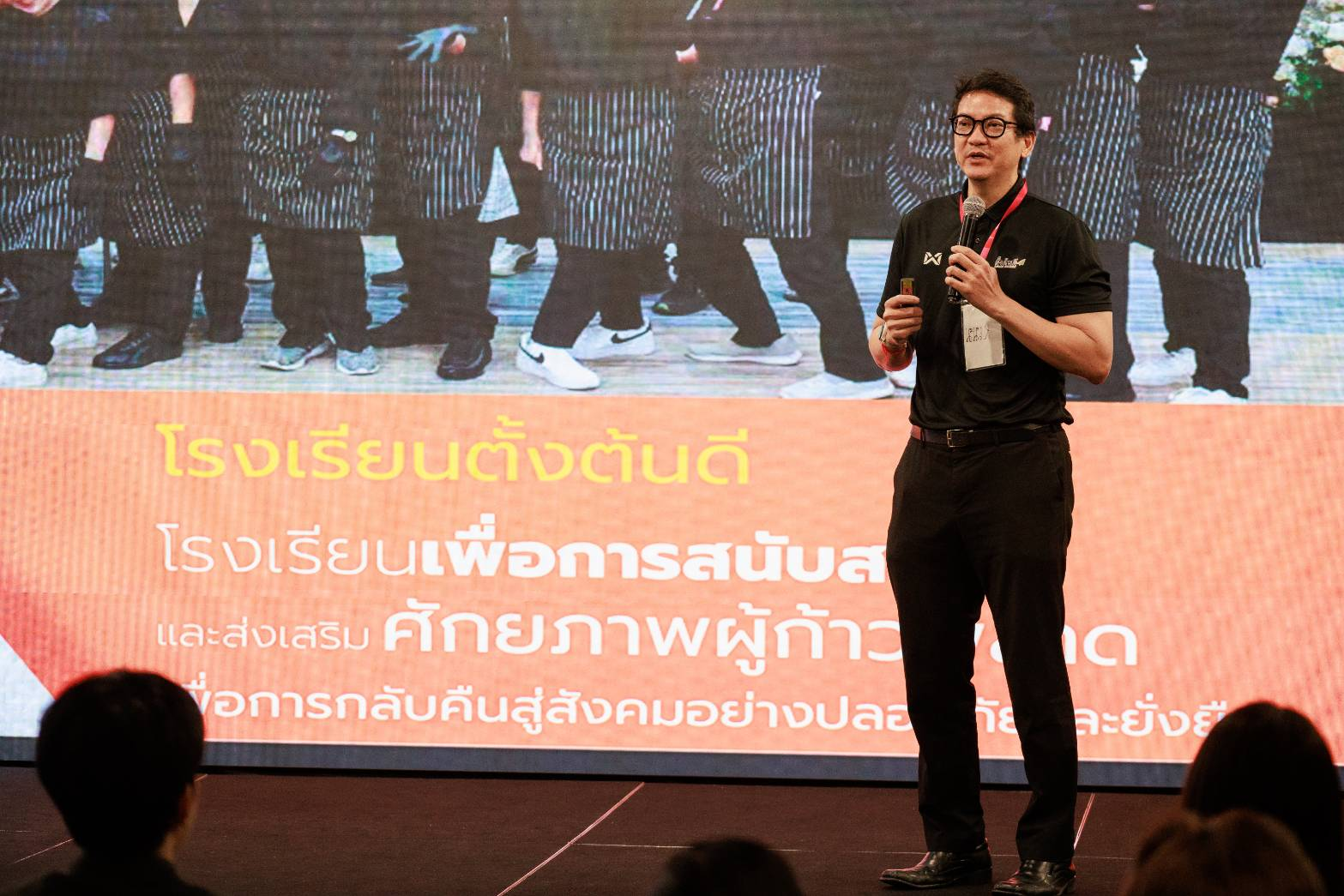
เส้นทางจากโครงการเพื่อสังคมสู่การเป็นวิสาหกิจเพื่อสังคมยังเต็มไปด้วยความท้าทาย คุณธนะชัย ผู้ดูแลโครงการ “ตั้งต้นดี” ซึ่งมีเป้าหมายให้อดีตผู้ต้องขังกลับมาใช้ชีวิตในสังคมได้ เลือกใช้เครือข่ายพันธมิตร (Social Partnership) มาร่วมถ่ายทอดทักษะในฐานะครูจากหลากหลายสาขา เปิดโอกาสให้ผู้เคยกระทำผิดได้ทดลองทำสิ่งที่สนใจ ก่อนต่อยอดสู่การประกอบอาชีพและการพึ่งพาตนเอง
“เราใช้วิธี Social Partnership Model หลายคนชอบไปร่วมมือกับราชการ หรือหน่วยงานใดหน่วยงานหนึ่ง พอไม่มีงบฯ โครงการนั้นก็หยุด ไม่ได้ทำต่อ แต่ผมใช้เครือข่าย เพราะสตาร์ทอัป เราทุนน้อย เพราะฉะนั้นต้องหาพาร์ทเนอร์และเพื่อนเยอะๆ”
นอกจากการสร้างเครือข่ายพันธมิตรแล้ว การพัฒนาโมเดลธุรกิจให้มีรายได้หล่อเลี้ยงการดำเนินงาน การวิเคราะห์ตลาด และมองหาโอกาสอยู่เสมอก็เป็นอีกโจทย์สำคัญของตั้งต้นดี โดยขยายจากการจ้างงานผู้พ้นโทษไปสู่การเปิดโรงเรียนฝึกทักษะอาชีพ ซึ่งจะนำไปสู่บริการที่สร้างรายได้ เช่น ครัวจัดเลี้ยง งานสปา และงานบริการต่างๆ
"กำไรสำคัญ ขณะเดียวกัน ความตั้งใจทำดีเพื่อสังคมยังอยู่ แต่ธุรกิจต้องพยุงให้เราไปต่อได้ ประสบการณ์และการลองทำจริง จะทำให้เห็นช่องทางที่คนอื่นยังไม่ได้ทำ แต่เราทำได้"
คุณเจนวิทย์เสริมว่า การลงมือทำจริงและการเรียนรู้จากประสบการณ์ตรง (Firsthand Experience) เป็นกุญแจสำคัญที่ช่วยให้ผู้ประกอบการค้นพบวิธีแก้ปัญหาที่เหมาะสมกับบริบทของตนเอง
พร้อมทิ้งท้ายว่า การทำประโยชน์เพื่อสังคมคือการค้นหาจุดสมดุลระหว่างการดูแลตนเอง การดำเนินชีวิต และการสร้างคุณค่าร่วมให้แก่สังคม
“การทำ SE คือการออกไปเรียนรู้ ทดลองและปรับตัวอยู่ตลอด เพราะสิ่งที่คุยกันวันนี้ พรุ่งนี้ก็เปลี่ยนแล้ว เราต้องหาวิธีใหม่ที่จะตอบโจทย์สังคมและธุรกิจด้วย”
“แต่ละคนก็เลือกได้ว่าจะทำด้านสังคมต่อไป หรือจะไปทางธุรกิจ ลองออกแบบแล้วตัดสินใจ แต่อยากให้รู้ว่า ในสังคมนี้ ยังมีพี่ๆ คอยมองและคอยสนับสนุนอยู่”
บทบาทของธุรกิจเพื่อสังคมจึงเป็นสะพานเชื่อมการแก้ปัญหาสังคมเข้ากับกลไกทางธุรกิจ โดยนำความเข้าใจปัญหาในพื้นที่มาพัฒนาเป็นบริการหรือโอกาสที่ช่วยลดความเหลื่อมล้ำและยกระดับคุณภาพชีวิต โดยมีความร่วมมือจากหลายภาคส่วนเป็นแรงสนับสนุนให้การดำเนินงานเดินหน้าต่อไป
หากองค์กรของคุณสนใจเป็นส่วนหนึ่งในการสร้างโอกาสทางการศึกษาให้กับเด็กไทย ติดต่อเราได้ที่ 📩 partnerships@teachforthailand.org
“Turning Understanding into Action”: Lessons from Social Entrepreneurs
Social enterprise (SE) brings the goal of creating positive social impact into business operations, from developing a business model and generating revenue to managing an organization for sustainable growth. It aims to ensure that efforts to address social problems can move forward alongside business operations.
Building a social enterprise requires knowledge, a deep understanding of social issues, hands-on experience, and business acumen. These were the themes behind Leadership Panel 3: SE Story — From Social Impact to Social Enterprise at Leadership Summit 2026, organized by Teach for Thailand. The panel brought together Nattakorn Asunee Na Ayudhaya, General Manager of the Social Enterprise Thailand Association (SE Thailand); Thanachai Sundaravej, who leads the “Tang Ton Dee” (A Good Start) project at the Thailand Institute of Justice (TIJ); and Janevit Wisojsongkram, Executive Director and Co-founder of Buddy HomeCare, a social enterprise. Together, they shared insights into social entrepreneurship, lessons from putting ideas into practice, and how social goals can be translated into tangible outcomes.
Looking at Thailand’s social enterprise ecosystem, Nattakorn explained that the heart of social enterprise lies in balancing efforts to address social problems with business-oriented management, while keeping social and environmental goals at the forefront. Starting an SE therefore begins with understanding the root causes of a problem. That understanding can then inform the development of products or services that meet the needs of a target group, while generating revenue that enables the organization to grow and become self-sustaining.
“Having a clear business purpose is essential because it is a tool for addressing social or environmental problems at their roots and creating better social outcomes.”
For businesses working with vulnerable communities, such as ethnic youth and older people, Buddy HomeCare offers another important lesson. Janevit emphasized the need to avoid letting personal emotions or biases get in the way of understanding the challenges people face.
Buddy HomeCare’s model creates career opportunities for young people while responding to the need for elderly care within communities. However, Janevit stressed that working with people requires understanding problems from their perspective, rather than allowing our own emotions or assumptions to cloud our judgment.
“When we care for others but don't truly understand them, we shouldn't take their problems on as our own. We need to be enlightened enough to see the problem clearly and find a way to solve it.”
Throughout the entrepreneurial journey, founders may find themselves questioning their decisions, as may the people around them. Nattakorn stressed that there is no perfect time to start a social enterprise. Experimenting, taking action, and learning from what happens on the ground can help reduce mistakes and allow entrepreneurs to continuously improve the way they work.
“You can think about starting a business, but there is no perfect timing. Think, try, get back up, fall down, and bounce back. Keep going, and eventually you'll bounce back less often, fall less frequently, and learn how to stay on your feet for longer.”
The journey from a social initiative to a social enterprise also comes with its own challenges. Thanachai, who leads the “Tang Ton Dee” project, which aims to help formerly incarcerated people reintegrate into society, has adopted a Social Partnership Model. Through a network of partners who share their expertise as instructors across different fields, the project gives formerly incarcerated individuals opportunities to explore their interests, develop practical skills, and eventually pursue careers and greater financial independence.
“We use a Social Partnership Model. Many people choose to partner with government agencies or a single organization. But when the funding runs out, the project stops and doesn't continue. I rely on a network because, as a startup, we have limited resources. That's why we need to build as many partnerships and friendships as possible.”
Beyond building partnerships, another key challenge for Tang Ton Dee is developing a business model that generates enough revenue to sustain its operations, while continuously analyzing the market and identifying new opportunities. The project is expanding beyond employment opportunities for formerly incarcerated people to establish a vocational training school, which will eventually support revenue-generating services such as catering, spa services, and other service-based businesses.
“Profit matters. At the same time, our intention to do good for society remains. But the business itself has to sustain us so we can keep going. Through experience and trying things out, we begin to see opportunities that others haven't explored but that we are capable of pursuing.”
Janevit added that taking action and learning through firsthand experience are essential to helping entrepreneurs discover solutions that work within their own contexts.
He concluded by reflecting that creating social value is ultimately about finding a balance between taking care of ourselves, living our own lives, and contributing to society.
“Running a social enterprise means constantly going out, learning, experimenting, and adapting. What we discussed today may already have changed by tomorrow. We have to keep finding new ways to meet the needs of both society and the business.”
“Everyone can choose whether to continue working in the social sector or move towards business. Try designing your own path and make that decision. But I want you to know that there are people in this community who are looking out for you and are ready to support you.”
Social enterprises therefore serve as a bridge between addressing social challenges and harnessing the mechanisms of business. By turning an understanding of local needs into services and opportunities that reduce inequality and improve quality of life, they can create lasting social impact—with collaboration across sectors providing the support needed to sustain their work.
If your organization is interested in becoming part of creating greater educational opportunities for children in Thailand, get in touch with us at 📩 partnerships@teachforthailand.org