ปัญหาที่ไม่มีใครแก้ได้
หลายปีที่ผ่านมา สหกรณ์โรงเรียนเคยเปิดให้ผู้ประกอบการภายนอกเช่าดำเนินการ แต่ที่ผ่านมาค่าเช่าเข้ามาไม่สม่ำเสมอ และโรงเรียนยังไม่มีระบบที่จะเห็นยอดขายและบัญชีได้ชัดเจน รายได้ที่ควรกลับมาพัฒนาโรงเรียนจึงไม่เป็นไปตามที่คาดหวัง โรงเรียนจึงเริ่มมองว่า ถ้าบริหารสหกรณ์เอง จะเห็นบัญชีได้ด้วยตัวเอง และนำรายได้กลับมาใช้พัฒนาโรงเรียนได้เต็มที่
นักเรียนก็รู้สึกถึงผลกระทบนั้นเช่นกัน เพราะผู้เช่ารายเดิมซื้อสินค้าจากตลาดใกล้โรงเรียนในราคาขายปลีก แล้วบวกเพิ่มอีก 30% ไม่ว่าจะเป็นขนม เครื่องดื่ม ทุกอย่างแพงกว่าที่ควรจะเป็น
"บ่นกันทุกคน" โอเว่นเล่า "เพราะผู้เช่าเดิมขายของในราคาตลาดบวกอีก 30%"
สิ่งที่โอเวนสร้าง
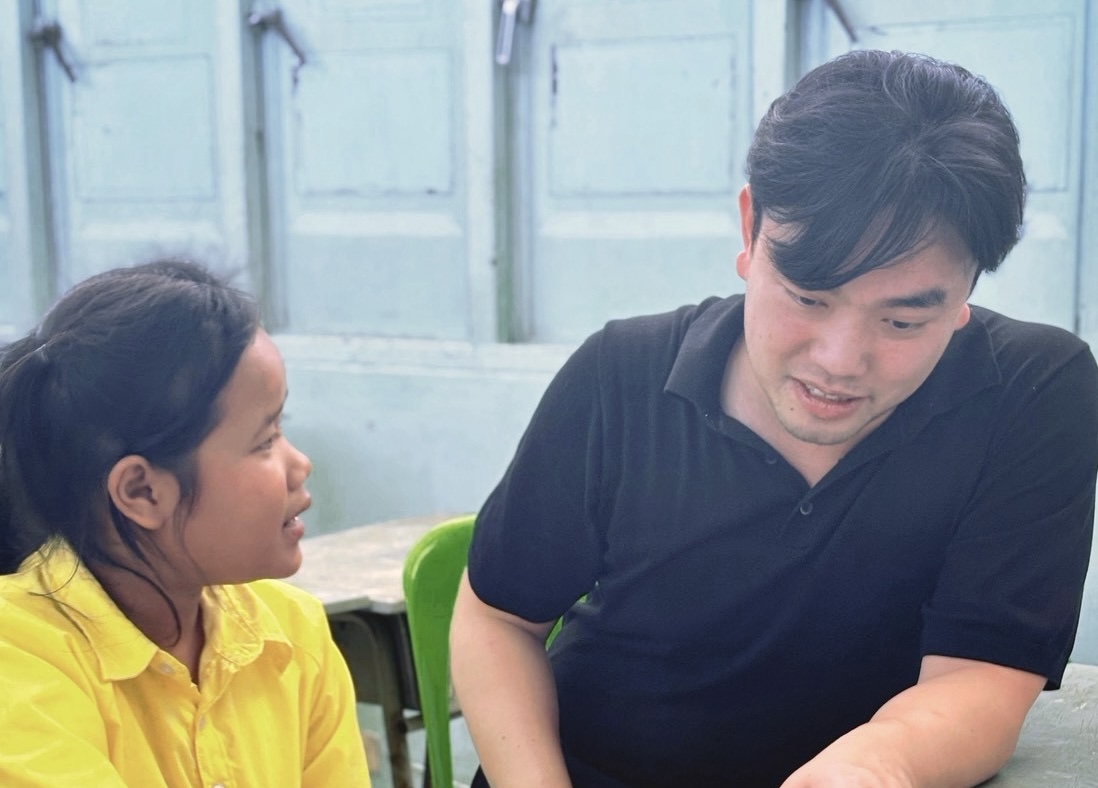
เมื่อโรงเรียนตัดสินใจจัดการที่จะตั้งสหกรณ์ขึ้นเอง พวกเขาขอให้โอเว่นเข้ามาช่วย ไม่ใช่เพราะว่ามันคืองานที่โอเว่นต้องทำ แต่เพราะพวกเขาเชื่อว่าครูผู้นำฯ คนนี้สามารถทำได้
โอเว่นมีสองสิ่งที่ทำให้เขาสามารถสร้างการเปลี่ยนแปลงให้โรงเรียนได้นั่นคือ ปริญญาตรีด้านเศรษฐศาสตร์ และประสบการณ์บริหารร้านคาเฟ่ของตัวเอง เขาได้นำทั้งสองสิ่งนี้มาปรับใช้
สิ่งแรก คือเรื่องแหล่งสินค้า เนื่องจากโอเว่นมีร้านคาเฟ่ของตัวเอง จึงซื้อสินค้าจากแมคโครเป็นประจำอยู่แล้ว และรู้ว่าต้องติดต่อซื้อสินค้าจากแมคโครในกาฬสินธุ์อย่างไร เขาช่วยโรงเรียนตั้งช่องทางสั่งซื้อโดยตรง ทำให้หาแหล่งสินค้าได้ง่ายขึ้น ประหยัดเวลา และไม่ต้องผ่านคนกลาง สหกรณ์จึงสามารถขายสินค้าในราคาปลีกทั่วไปได้ และนักเรียนก็ได้รับประโยชน์นี้โดยตรง เพราะสามรถซื้อของราคาปกติเท่าร้านค้าทั่วไป ไม่ต้องโดนบวกเปอร์เซ็นต์เพิ่มอีก
สิ่งที่สอง เขาพัฒนาเว็บแอปพลิเคชันขึ้นมาเองโดยใช้ Google Apps Script เพื่อจัดการบัญชีของสหกรณ์ ทั้งรายรับรายจ่าย ข้อมูลผู้ถือหุ้น และการคำนวณเงินปันผลที่จ่ายให้ผู้ถือหุ้นโดยอัตโนมัติเมื่อจบแต่ละภาคเรียน
"โรงเรียนเชื่อใจว่าผมจะสร้างระบบนี้ได้" โอเว่นกล่าว "และผมเองก็มองว่ามันจะเป็นประโยชน์ต่อทุกคน"
ตัวเลขที่พิสูจน์ได้
เพียงหนึ่งภาคเรียน สหกรณ์สร้างผลลัพธ์ที่จับต้องได้จริง:
- ผู้ถือหุ้น 214 คน ทั้งนักเรียนและบุคลากร ถือหุ้นรวม 2,519 หุ้น มูลค่าทุนรวม 50,380 บาท
- รายรับ 503,833 บาท รายจ่าย 407,681 บาท กำไรสุทธิ 96,151 บาท
- จ่ายปันผลรวม 38,460 บาท ให้ผู้ถือหุ้นทุกคน เฉลี่ยคนละประมาณ 763 บาท
- นำเงิน 50,000 บาท จากส่วนของโรงเรียน สร้างถนนคอนกรีต ในโรงเรียน โดยไม่ต้องรองบประมาณจากส่วนกลาง
ด.ช. วีรวัฒน์ นักเรียนชั้น ม.3 บอกถึงความประทับใจต่อระบบนี้ว่า "ดีกว่าเอาเงินฝากธนาคารที่ได้ดอกเบี้ยต่ำกว่า 1% สหกรณ์ให้ผลตอบแทนที่ดีกว่า"
ส่วนเงิน 50,000 บาทจากส่วนของโรงเรียน ถูกนำไปทำสิ่งที่โรงเรียนต้องการมานาน นั่นคือการสร้างถนนคอนกรีตในโรงเรียน ก่อนหน้านี้ เมื่อฝนตกหนัก เส้นทางในโรงเรียนกลายเป็นโคลน นักเรียนมาถึงห้องเรียนด้วยรองเท้าและชุดนักเรียนที่เปื้อนโคลน การเดินระหว่างอาคารกลายเป็นเรื่องน่ากังวลแทนที่จะเป็นเรื่องปกติธรรมดา
ถนนสายนี้สามารถสร้างเสร็จโดยไม่ต้องรองบประมาณจากส่วนกลาง เพราะการใช้รายได้จากสหกรณ์
แม้เมื่อฝนจะตก แต่ถนนสายใหม่ยังคงทนและไม่เต็มไปด้วยโคลนเหมือนแต่ก่อน นักเรียนก็ได้ข้อสรุปกันง่ายๆ ว่า "ดีครับ/ค่ะ ไม่ต้องลุยโคลนแล้วเวลาฝนตกหนักอีกแล้ว"
สร้างให้ยั่งยืน
สิ่งที่สำคัญที่สุดที่โอเว่นสร้างไม่ใช่แค่แอปหรือถนน แต่คือระบบที่จะยังทำงานต่อไปหลังจากเขาจบจากโครงการฯ ไปแล้ว
เว็บแอปพลิเคชันถูกส่งมอบให้กับ รองผู้อำนวยการ ไอรินทร์พิชญ์ แสนณรงค์ ซึ่งปัจจุบันดูแลการบันทึกรายรับรายจ่ายประจำวันและการสรุปบัญชีหลังภาคเรียน เธอเรียนรู้การใช้ Google Apps Script จากการทำงานร่วมกับโอเว่น โดยไม่ต้องจ่ายค่าระบบใดๆ เพิ่มเติม
"ได้รับความรู้จากครูศิวกร" เธอกล่าว "แอปนี้ใช้งานสะดวกมาก ไม่ต้องเสียค่าระบบด้วย เพราะทำเอง ใช้เอง"
ครูกัญญาภัทร เอกอุ ครูและเจ้าหน้าที่ธุรการของโรงเรียนได้เห็นการเปลี่ยนแปลงนี้ด้วยตัวเอง และอธิบายถึงความแตกต่างได้ชัดเจนว่า "ระบบสหกรณ์ใหม่มีความโปร่งใส คุณครูช่วยกันจนทำให้สหกรณ์เกิดขึ้นได้ และทุกภาคเรียนก็สามารถสร้างรายได้กลับมาพัฒนาโรงเรียน เทียบกับแต่ก่อนที่แทบไม่ได้เงินเลยจากผู้เช่าที่เบี้ยวค่าเช่า และเราไม่สามารถตรวจสอบบัญชีหรือยอดขายจากเขาได้เลย"
ทำไมถึงสำคัญกว่าแค่เรื่องในโรงเรียน
โอเว่นสอนคณิตศาสตร์และภาษาอังกฤษ และนำพื้นฐานด้านเศรษฐศาสตร์มาเชื่อมบทเรียนกับชีวิตจริงของนักเรียน เขาปรับเนื้อหาเรื่องธุรกิจ การทำบัญชี การวางแผน และสถิติ เพื่อให้นักเรียนเข้าใจตัวเลขและความเสี่ยงเบื้องหลังการพนันสล็อตออนไลน์ ซึ่งกำลังแพร่หลายในกลุ่มเยาวชน
เมื่อโรงเรียนตั้งสหกรณ์ของตัวเอง บทเรียนเหล่านี้จึงมีตัวอย่างจริงอยู่ในโรงเรียน นักเรียนถือหุ้นสหกรณ์ในราคาหุ้นละ 20 บาท ระบบบัญชีที่โอเว่นสร้างแบ่งกำไรเป็น 3 ส่วน คือ 50% เป็นส่วนของโรงเรียน 40% เป็นเงินปันผลให้ผู้ถือหุ้น และ 10% เป็นเงินหมุนเวียนสำหรับซื้อสินค้า ผู้ถือหุ้นได้รับปันผลตามจำนวนหุ้นที่ถือ นักเรียนอย่างวีรวัฒน์จึงเริ่มนำผลตอบแทนที่ได้ไปเทียบกับดอกเบี้ยเงินฝากธนาคารด้วยตัวเอง ส่วนเงินของโรงเรียนก็ถูกนำไปสร้างถนนที่นักเรียนใช้ทุกวัน เงินที่หมุนอยู่ในสหกรณ์จึงกลับมาเป็นสิ่งที่นักเรียนเห็นและสัมผัสได้ในโรงเรียนของตัวเอง
นอกจากสหกรณ์ โอเว่นยังเป็นติวเตอร์ O-NET ให้นักเรียน และได้รับเชิญไปสอนในงานติวของโรงเรียนในภูมิภาค
โอเว่นอยู่ในโรงเรียนนี้ในฐานะครูผู้นำฯ เพียง 2 ปี แต่สิ่งที่นักเรียนได้ลองทำและได้เห็นจากสหกรณ์ รวมถึงระบบที่โรงเรียนบริหารต่อได้เอง ถูกออกแบบให้อยู่ต่อไปหลังจากเขาจบโครงการฯ
นั่นคือการเรียนรู้ที่ไม่ได้หายไปพร้อมกับครูผู้นำฯ
การลงทุนในครูผู้นำฯ หนึ่งคน ไม่ได้สิ้นสุดในวันที่เขาจบโครงการฯ
แต่นั่นคือจุดเริ่มต้น
หากองค์กรของคุณสนใจร่วมเป็นส่วนหนึ่งของการเปลี่ยนแปลง ติดต่อเราได้ที่
📩 partnerships@teachforthailand.org
The School Bank That a Fellow Built, And Will Outlast Him
When Owen — Siwakorn Nualchawee, a Teach for Thailand Fellow from Cohort 11, arrived at Nong Kung Si Wittayakom School in Kalasin, he came as a Math and English teacher. But what he built there goes far beyond any lesson plan.
The Problem No One Could Fix
For years, the school cooperative had been leased to an external operator. However, rent payments were inconsistent, and the school had no system in place to clearly monitor sales or access its financial records. As a result, the income that should have gone toward school development fell short of expectations. The school began to see that by managing the cooperative itself, it could gain direct oversight of its accounts and put the income to better use for the school's development.
Students felt it too. The old operator bought products from a nearby market at retail price, then marked them up another 30%. Every snack, every drink cost more than it should have.
"Everyone complained," Owen recalled. "Because the old operator was selling things at market price plus 30%."
What Owen Built
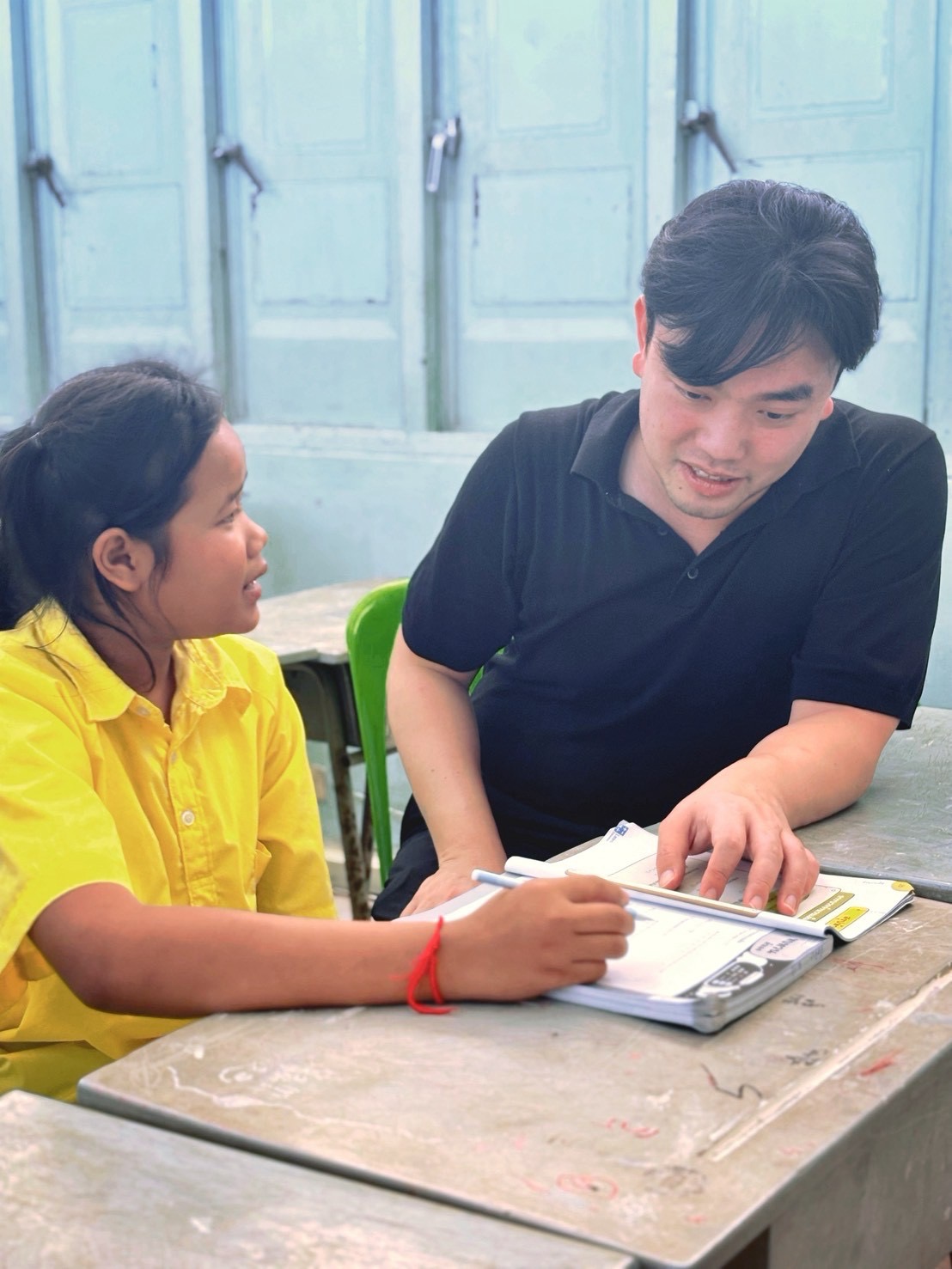
When the school decided to take back control and establish its own cooperative, they asked Owen to help. Not because it was part of his job, but because they believed this Fellow had the ability to make it happen.
Owen brought two things that made him well-equipped to create change at the school: a bachelor's degree in Economics and experience running his own café. He put both to work.
First, he helped the school find a better source of products. Since Owen ran his own café, he regularly purchased supplies from Makro and already knew how to contact the Makro branch in Kalasin. He helped the school establish a direct purchasing channel, making it easier to source products, saving time, and cutting out the middleman. This allowed the cooperative to sell products at standard retail prices, directly benefiting students who could now buy items at the same prices they would find at other shops, without any additional markup.
Second, he developed a web application from scratch using Google Apps Script to manage the cooperative's finances. The system tracks income and expenses, maintains shareholder records, and automatically calculates dividend payments for shareholders at the end of each semester.
"The school trusted me to build this system," Owen said. "And I could see that it would benefit everyone."
What the Numbers Show
One semester in, the cooperative has generated real results:
- 214 shareholders, students and staff, holding 2,519 shares worth 50,380 baht in total capital
- Revenue of 503,833 baht against expenses of 407,681 baht, a net profit of 96,151 baht
- 38,460 baht distributed as dividends to all shareholders, each receiving approximately 763 baht
- 50,000 baht from the school's share of profits used to build a concrete road on school grounds, without waiting for a government budget allocation
One student, Weerawat in Grade 9, understood immediately what this meant: "Better than putting money in a bank account that gives less than 1% interest. The cooperative gives a better return."
Moreover, the 50,000 baht from the school's share of profits went toward something the school had needed for a long time: a concrete road on school grounds. Before it was built, heavy rain turned the paths into mud, students arrived at class with dirty shoes and wet uniforms, and moving between buildings became something to dread rather than take for granted.
The road was built without waiting for a government budget allocation. The cooperative paid for it.
When the rain came and the new road was held, students summed it up simply: "Good. No more wading through mud when it floods anymore."
Built to Last
The most important thing Owen built isn't the app or the road. It's a system that will keep running after he leaves.
The web application has been handed over to Miss Irinpitch Sannarong, the deputy principal, who now manages daily records and end-of-semester reporting. She learned how to use Google Apps Script through working with Owen and she doesn't pay for any external system to run it.
"I gained real knowledge from Owen," she said. "The app is so convenient to use. And because we built it ourselves, there's no system cost."
Miss Kanyapat Ekeau, a teacher and an administrative Officer at the school who witnessed the transformation firsthand, described the shift clearly: "The new cooperative is transparent. The teachers worked together to make it happen, and every semester it generates income that goes back into developing the school, compared to before, when we got almost nothing from a tenant who wouldn't pay rent and whose accounts we couldn't even check."
Why It Matters Beyond This School
Owen teaches Math and English, but he also draws on his background in Economics to connect classroom lessons with students' everyday lives. He adapts topics such as business, accounting, planning, and statistics to help students understand the numbers behind online gambling and the risks involved — an issue that is becoming increasingly widespread among young people.
With the school now running its own cooperative, these lessons have become tangible. Students can purchase cooperative shares for 20 baht each. The accounting system Owen built divides the profits into three parts: 50% goes to the school, 40% is distributed as dividends to shareholders, and 10% is retained as working capital to purchase new stock.
Shareholders receive dividends based on the number of shares they hold. Students like Weerawat can now compare their returns with the interest they would earn from a bank savings account. Meanwhile, the school's share of the profits has gone toward building a road that students use every day. The money circulating through the cooperative has become something students can actually see and experience within their own school.
Beyond managing the cooperative, Owen also tutored students for the O-NET examinations and was invited to teach at regional school tutoring events.
Owen spent just two years at the school as a Fellow. But the experiences students gained through the cooperative, and the management system the school can continue running independently, were designed to last long after his Fellowship program ended.
That's the kind of learning that doesn't leave when a Fellow does.
Investing in one Fellow doesn't end when the Fellowship does. That's where it begins.
If your organization would like to be part of what happens next, contact us at:
📩 partnerships@teachforthailand.org