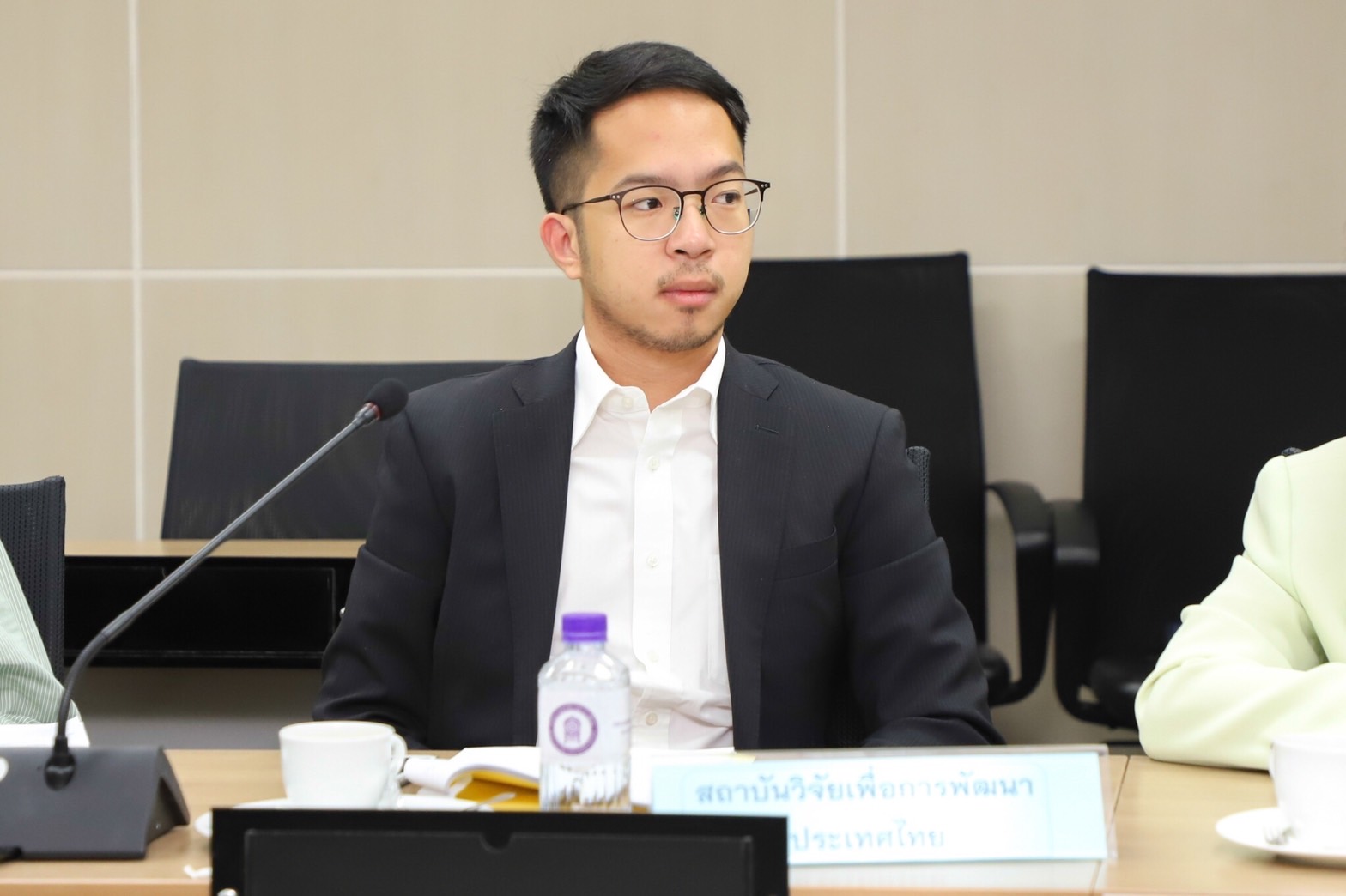
นี่จึงเป็นเหตุผลที่ทำให้ ‘สกาย’ ทัฬหวิชญ์ ฐิติรัตน์สกุล ครูผู้นำการเปลี่ยนแปลง รุ่นที่ 2 เปลี่ยนบทบาทจาก ‘ครู’ เป็น ‘นักวิจัย’ ด้านนโยบายการปฏิรูปการศึกษา สถาบันวิจัยเพื่อการพัฒนาประเทศไทย (TDRI) ทำงานกับข้อมูลและยื่นข้อเสนอกับภาครัฐเพื่อสร้างการศึกษาที่มีคุณภาพให้กับผู้เรียน
ถึงจะพัฒนาให้ห้องเรียน คุณครู และโรงเรียนพร้อมต่อการเรียนรู้ แต่ถ้ากฏเกณฑ์ในระบบการศึกษายังเหมือนเดิม ปัญหาการศึกษาก็จะยังคงอยู่ ดังนั้นการทำงานเชิงนโยบายจึงกลายเป็นอีกหนึ่งเส้นทางสำคัญที่สามารถขับเคลื่อนการศึกษาให้เดินไปข้างหน้าได้
มองเห็น ‘ปัญหา’
หลังจากทำงานเป็นนักวิจัยการตลาดอยู่ 1 ปี สกายตัดสินใจสมัครเป็นครูผู้นำการเปลี่ยนแปลง ด้วยความเชื่อว่าสักวันหนึ่งเขาจะสามารถมีส่วนร่วมในการสร้างผลกระทบต่อสังคมได้ไกลกว่าขอบเขตของห้องเรียน
ย้อนกลับไปประมาณ 9 ปีที่แล้ว สกายเป็นครูผู้นำการเปลี่ยนแปลงสอนวิชาคณิตศาสตร์นักเรียนชั้นมัธยมต้นอยู่ที่โรงเรียนแย้มจาดวิชชานุสรณ์ในกรุงเทพมหานคร
แม้จะเป็นโรงเรียนในเมือง แต่ประสบการณ์ในห้องเรียนทำให้เขาเห็นความเหลื่อมล้ำทางการศึกษาในกรุงเทพมหานครที่มักถูกมองข้ามไป
“เวลาคนพูดถึงความเหลื่อมล้ำ เขาจะพูดถึงความเหลื่อมล้ำระหว่างกรุงเทพฯ กับต่างจังหวัด แต่ที่ผมเห็นคือ ความเหลื่อมล้ำที่อยู่ในกรุงเทพฯ เด็กยากจน พ่อแม่ไม่มีเวลาเลี้ยงดู และอยู่กับตายาย เป็นครอบครัวแหว่งกลาง”
เริ่มจากนักเรียนหลายคนอาศัยอยู่ในชุมชนแออัด พื้นฐานการเรียนไม่พร้อมกับหลักสูตร และคุณครูก็มีภาระงานมากมายจนไม่สามารถโฟกัสกับการสอนได้เต็มที่
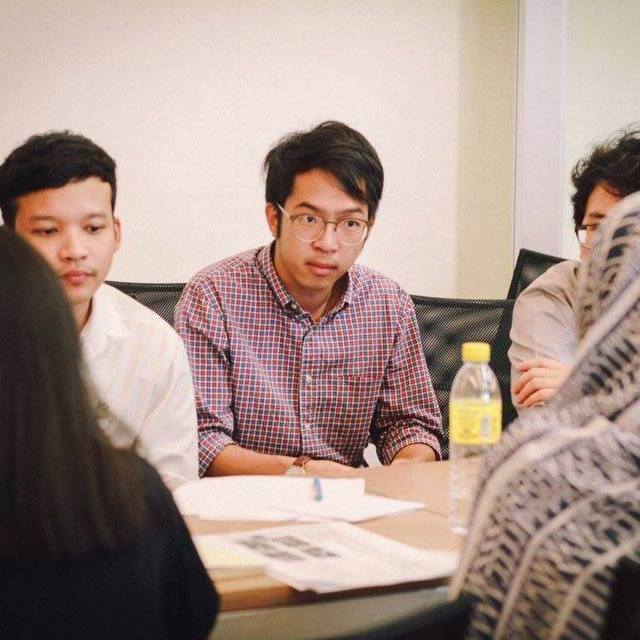
“นักเรียนหลายคนขึ้นชั้นมัธยมต้นมาได้โดยที่ยังบวกลบเลขไม่ได้ แต่ผมต้องสอนตามตัวชี้วัดม.1 ที่เด็กต้องบวกลบเลขได้แล้ว ตอนนั้นครูก็ภาระงานเยอะมาก ไม่สามารถสอนกันได้เต็มที่ เป็นจุดเริ่มต้นที่ทำให้ผมตั้งคำถามกับระบบการศึกษา”
ประสบการณ์การเป็นครูผู้นำการเปลี่ยนแปลง ทำให้สกายเริ่มตั้งคำถามกลับ ‘ระบบการศึกษา’ มากกว่าความสามารถของเด็กหรือครูรายบุคคล เขาเริ่มเห็นว่า ปัญหาหลายอย่างไม่สามารถแก้ได้ด้วยบทบาทครูเพียงอย่างเดียว ถ้าสภาพแวดล้อมรอบตัวไม่เอื้อให้การเรียนรู้เกิดขึ้นจริง
เรื่องราวจากห้องเรียนที่กระทบถึงสังคม
หลังจากจบโครงการฯ สกายก็เริ่มต้นเส้นทางใหม่ มาทำงานขับเคลื่อนนโยบายจริงจัง ในฐานะนักวิจัยด้านนโยบายการปฏิรูปการศึกษาของสถาบันวิจัยเพื่อการพัฒนาประเทศไทย หรือ TDRI
บทบาทของเขา คือ การเสนอนโยบายการศึกษาเพื่อขับเคลื่อนการศึกษาไปข้างหน้า ทั้งเรื่องการจัดสรรงบประมาณ การพัฒนาระบบครู ห้องเรียน และการปรับหลักสูตรให้ตอบโจทย์ผู้เรียน
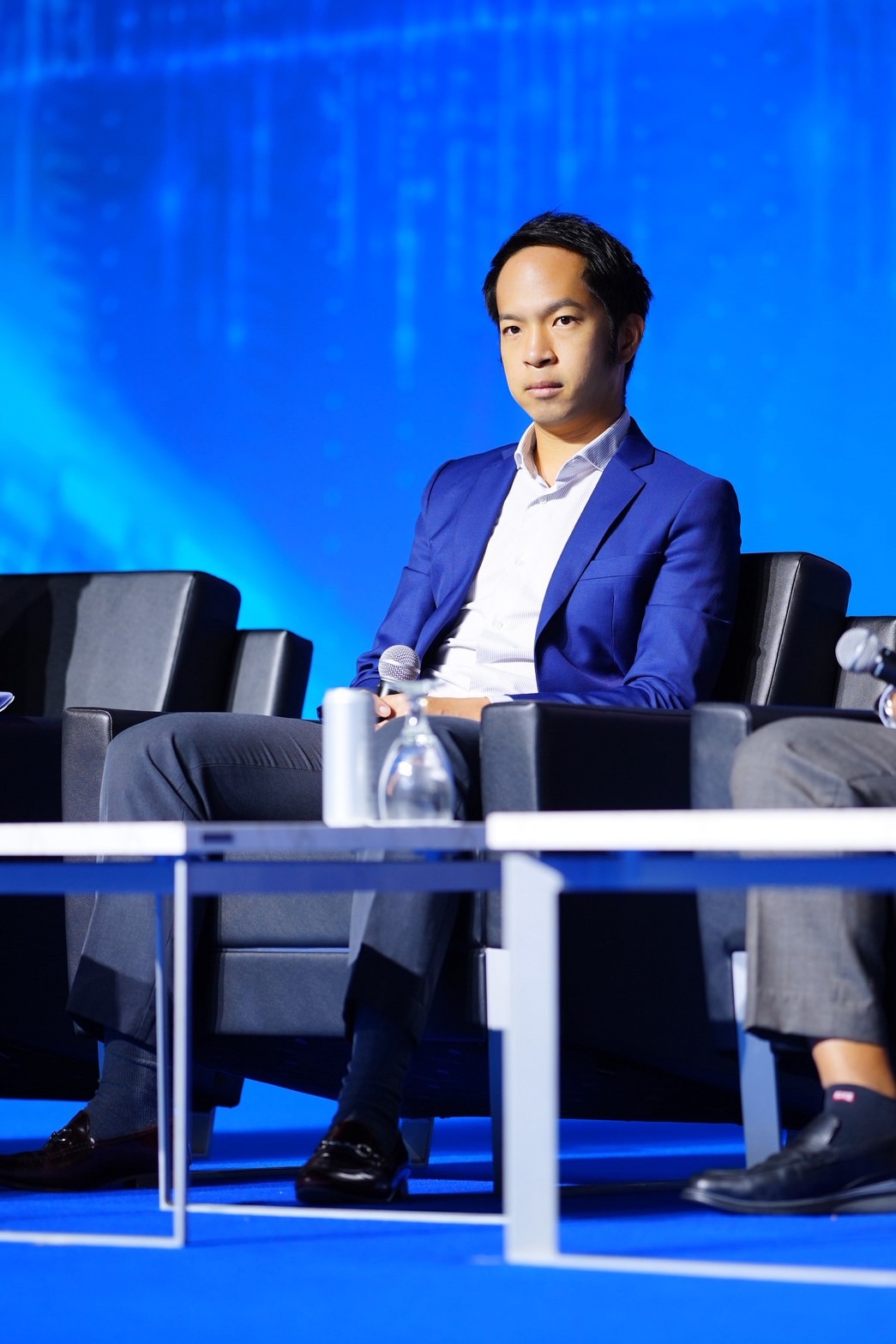
สำหรับการเลือกตั้ง 2569 ที่กำลังเกิดขึ้นนี้ เขาก็เป็นส่วนหนึ่งของคนที่จัดทำข้อเสนอด้านการศึกษาให้กับพรรคการเมืองร่วมกับ Thailand Education Partnership (TEP) กองทุนความเสมอภาคทางการศึกษา (กสศ) และสถาบันอาศรมศิลป์ ซึ่งมีหัวใจหลัก คือ การให้อิสระโรงเรียนและครูออกแบบห้องเรียนของตัวเอง
“ข้อเสนอคืออยากกระจายอำนาจให้โรงเรียนมีสิทธิ์ในการออกแบบหลักสูตรตัวเองมากขึ้น เช่น กำหนดชั่วโมงเรียน วิชาเรียนของตนเอง เรื่องพัฒนาครูให้โรงเรียนแต่ละเขตไปออกแบบการเทรนนิ่งครูของตนเองมากขึ้น”
สกายมองว่า ระบบการพัฒนาครูของ Teach For Thailand จะช่วยผลักดันให้ครูเป็นผู้นำการเรียนรู้ไปพร้อมกับการสร้างพื้นที่ให้เด็กได้ทดลอง ตั้งคำถาม และเรียนรู้ด้วยตัวเอง
“ผมว่าคนที่ผ่านการเทรนของทีช ฟอร์ ไทยแลยด์ จะไม่ใช่คนที่เรียนปุ๊บแล้วเก่งเลย แต่เขาจะคิดว่าจะยกระดับห้องเรียนตัวเองอย่างไร และมีความเป็น community ที่สร้างอิมแพคให้สังคม”
คำถามสำคัญของสกายจึงไม่ใช่แค่ใครจะลุกขึ้นมาเปลี่ยนห้องเรียน แต่เป็นเรื่องโครงสร้างหรือระบบแบบใดต่างหากที่จะทำให้ความตั้งใจของทุกคนในระบบการศึกษาไม่หล่นหายไปกลางทาง
‘ระบบ’ ที่มีคุณภาพ
สำหรับสกาย การปฏิรูปการศึกษาต้องเริ่มจากการออกแบบ ‘ระบบ’ ที่สนับสนุนการเรียนรู้จริงในห้องเรียน ไม่ใช่การวัดความรู้จากท่องจำ แต่นักเรียนควรลองประยุกต์สิ่งที่เรียนให้เข้ากับชีวิตจริง
“ถ้าเป็นข้อสอบเมื่อก่อน อาจจะถามแค่ว่าวิธีเดินทางแบบไหนเร็วที่สุด แต่ถ้ายุคใหม่ อาจจะถามว่าคุณจะเลือกวิธีไหนด้วยเหตุผลอะไร ผมว่านี่คือหน้าตารูปแบบประเมินที่ควรจะเป็น”
ต่อมา คือ ระบบจะกลายเป็นมาตรฐานที่คัดกรองบุคลากรที่มีคุณภาพเข้าสู่ระบบ มีมาตรฐาน เพื่อให้ทุกคนมองเห็นภาพ แล้วพร้อมเดินไปสู่เป้าหมายนั้นไปด้วยกัน
“ระบบไม่ควรลงไปสั่งการเองทุกอย่าง แต่มีเป็นกรอบมาตรฐาน ที่รับประกันว่าทุกคนต้องทำให้ได้ แต่ถ้าทำไม่ได้ต้องมีกลไกในการพัฒนา”
สำหรับสกาย การทำงานเชิงนโยบายแยกไม่ขาดจากประสบการณ์หน้างาน และนั่นคือเหตุผลที่เขามองว่าคนรุ่นใหม่ในวงการการศึกษาจำเป็นต้องเข้าใจรากของปัญหาจากห้องเรียนจริง
“ต้องเก็บประสบการณ์ในห้องเรียนให้เยอะๆ พยายามมองให้เห็นรากของปัญหาในแต่ละเรื่อง แล้วค่อยเอาสิ่งเหล่านี้มาช่วยกันขับเคลื่อนเป็นนโยบาย”
เพราะนโยบายที่ตอบโจทย์ผู้เรียน เริ่มจากประสบการณ์จริงในห้องเรียน และ ‘โครงการผู้นำการเปลี่ยนแปลง’ คือจุดเริ่มต้นของเส้นทางการศึกษาที่ดีกว่าเดิม
ติดตามข่าวสารโครงการผู้นำการเปลี่ยนแปลงได้ที่ https://www.facebook.com/TeachforThailand/
และอ่านรายละเอียดเพิ่มเติมที่ https://www.teachforthailand.org/fellowship
Policy-led transformation of education
Education is not only about teachers, students, or classrooms. It also encompasses the structures and policies that shape how children across the country learn.
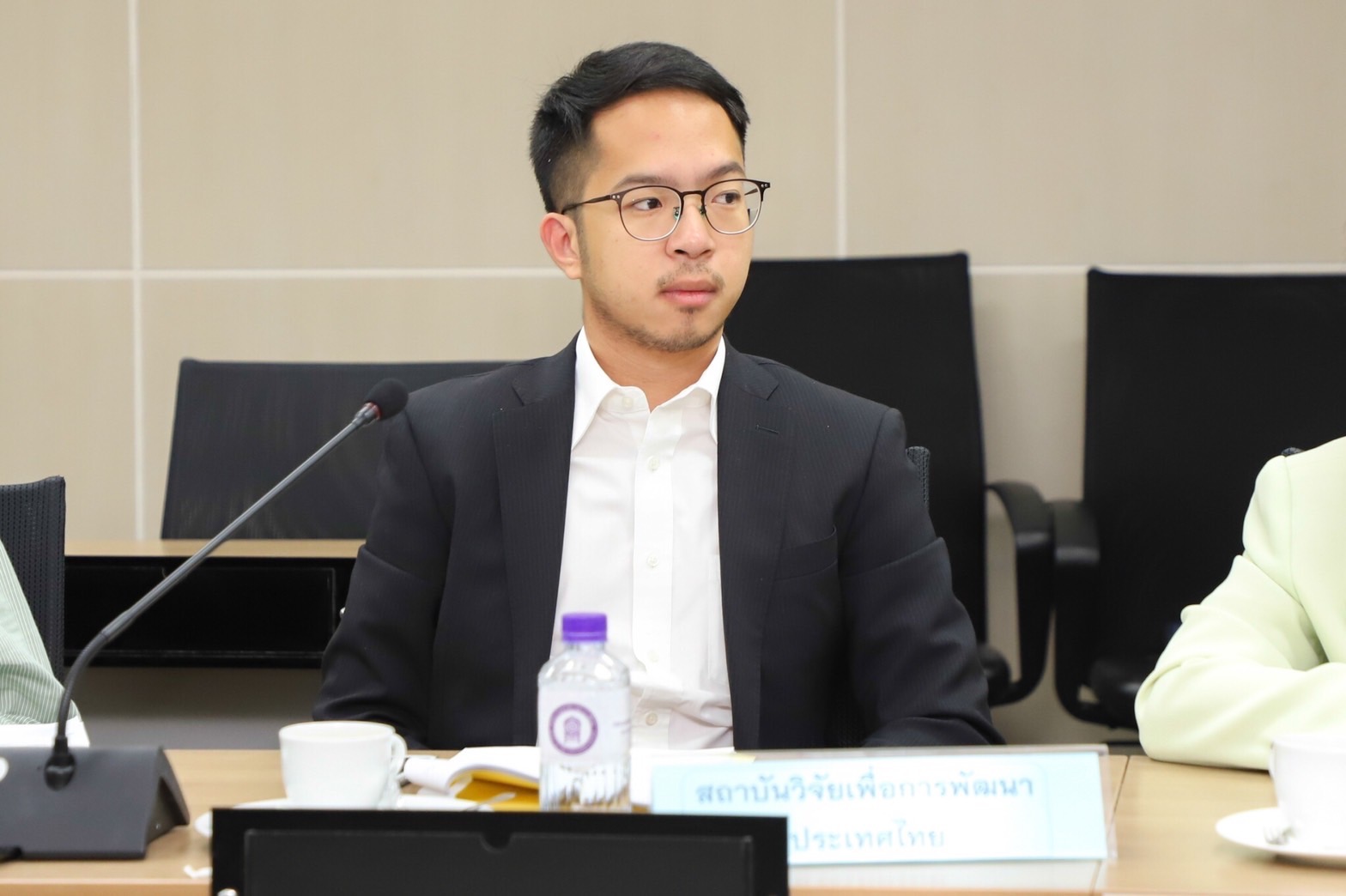
This is what led Sky (Thunhavich Thitiratsakul) — a Teach for Thailand Fellow, Cohort 2 — to transition from being a classroom teacher to becoming a policy researcher in education reform at the Thailand Development Research Institute (TDRI). Today, he works with data and develops policy proposals for the government to help build a higher-quality education system for all learners.
Even if classrooms, teachers, and schools are strengthened, educational challenges will persist if the rules of the system remain unchanged. This is why policy work has become a critical pathway to drive meaningful progress in education.
Seeing the problem
After working as a market researcher for one year, Sky decided to apply to Teach For Thailand because he believed that one day he could contribute to social impact beyond the boundaries of a single classroom.
Around nine years ago, Sky taught middle school mathematics at Yaemchad Wittayanusorn School in Bangkok as a Teach for Thailand Fellow.
Although the school is located in the capital city, his classroom experience revealed educational inequality within Bangkok — a form of disparity that is often overlooked.
“When people talk about inequality, they usually compare Bangkok with other provinces. But what I saw was inequality within Bangkok itself — children from low-income families, whose parents had to work long hours, leaving them in the care of grandparents.”
Many students lived in densely populated communities, entered secondary school without adequate academic foundations, and were taught by teachers burdened with heavy administrative workloads that limited their ability to focus fully on teaching.
“Many students entered Grade 7 without basic arithmetic skills like addition and subtraction, yet the curriculum expected them to already have mastered these skills. At the same time, teachers were overloaded with work and couldn’t provide individualized support. That was the moment I started questioning the system.”
His experience as a Fellow shifted his focus from blaming individual students or teachers to questioning the education system itself. He realized that many problems could not be solved by classroom teaching alone if the surrounding environment did not support meaningful learning.
From classroom experience to national impact
After completing the Fellowship, Sky moved into policy work as an education reform researcher at TDRI.
His role involves proposing education policies related to budgeting, teacher development, classroom systems, and curriculum reform to better meet students’ needs.
Ahead of Thailand’s 2026 elections, Sky has also been part of a team developing education policy recommendations in collaboration with the Thailand Education Partnership (TEP), the Equitable Education Fund (EEF), and the Arsom Silp Institute. Their key principle is to decentralize authority and give schools greater autonomy.
“We propose that schools should have more freedom to design their own curriculum — including class hours, subjects, and teacher training within each district.”
Sky believes that Teach for Thailand’s leadership model helps teachers become learning leaders who create space for students to experiment, ask questions, and learn independently.
“People who go through Teach for Thailand’s training don’t just become good teachers overnight — they become reflective educators who continuously think about how to improve their classrooms. They also become part of a community that creates impact beyond individual schools.”
For Sky, the key question is no longer simply who will transform classrooms — but rather what kind of system will allow everyone’s efforts to succeed.
Building a quality system
For Sky, true education reform must begin with designing a system that supports real learning — not rote memorization.
Students should be encouraged to apply knowledge to real-life situations. For example:
“In the past, exams might have simply asked which route is fastest. Today, we should be asking: Which route would you choose and why? That is the kind of assessment we need.”
A strong system should also establish clear standards that attract and retain capable educators, while providing a framework that guides improvement rather than micromanaging schools.
“The system shouldn’t dictate everything, but it should set standards that everyone strives to meet. If someone falls short, they should be supported to develop further.”
Sky emphasizes that effective policy must be grounded in real classroom experience.
“We need to spend time in classrooms, understand the root causes of problems, and use that knowledge to shape better policies.”
Because policies that truly serve students must be rooted in real classroom realities — and the Teach for Thailand Fellowship is where that journey begins.
Stay connected with Teach for Thailand:
Facebook: https://www.facebook.com/TeachforThailand/
Learn more about the Fellowship: https://www.teachforthailand.org/fellowship