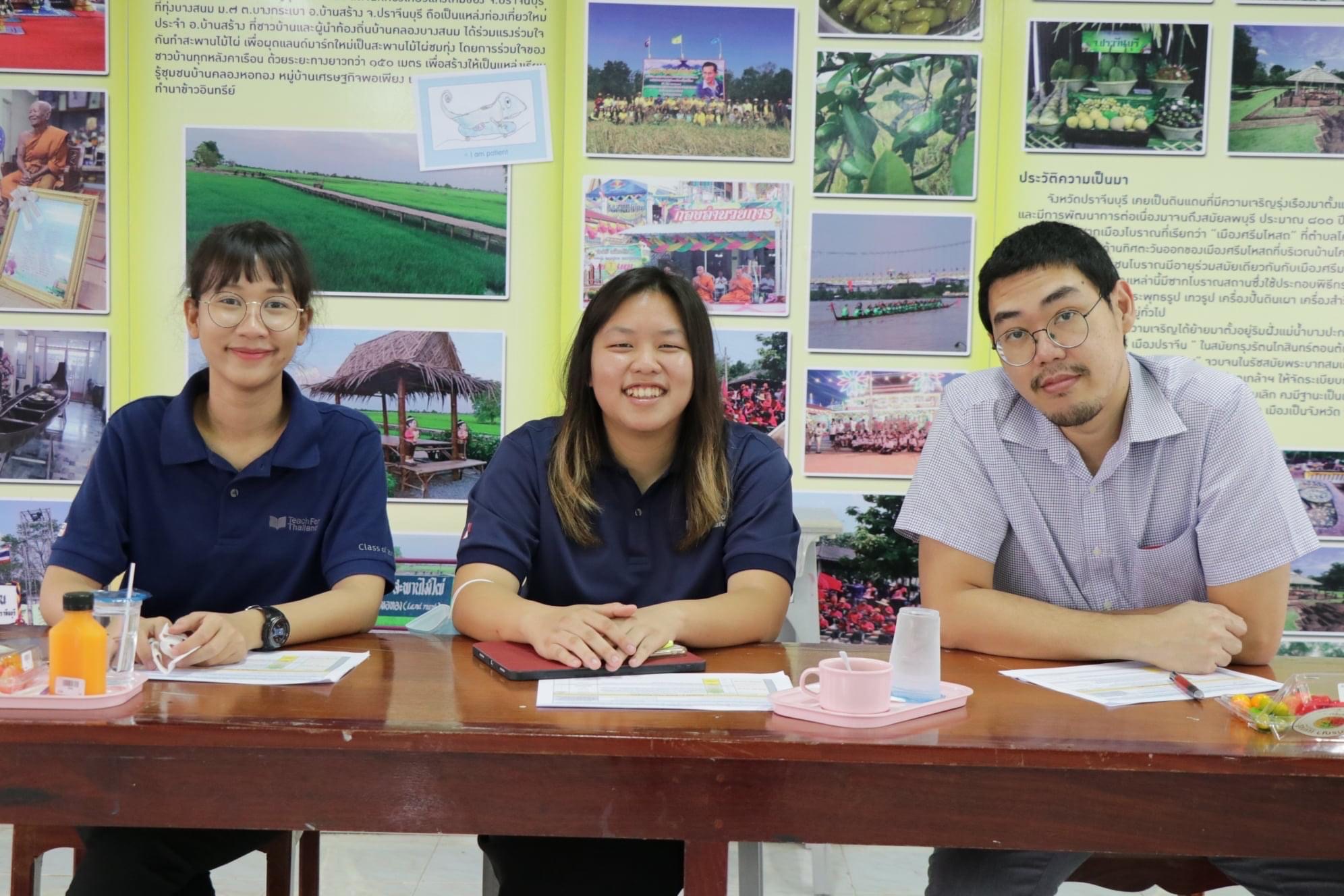
ความอยากนั้นไม่ได้มาจากการเรียนในมหาวิทยาลัย แต่มาจากวันที่เธอได้สอนเด็ก ป.4 กลุ่มเล็กๆ ประมาณ 20 คน ในช่วงซัมเมอร์ระหว่างการฝึกงานปีสุดท้าย เธอบอกว่า "ชอบมากเลย การได้สร้างผลกระทบเชิงบวก (Positive Effect) ให้เด็กๆ ก็เลยรู้สึกว่าอยากเป็นครู"
แต่ก่อนที่จะเดินเข้าห้องเรียนจริงๆ เธอรู้ว่ายังมีโลกอีกใบที่เธอไม่เข้าใจ
"ป่านรู้สึกว่าตัวเองโตมาในสังคมที่เรามีสิทธิพิเศษ (Privilege) มากกว่าคนอื่น เรารู้ว่าตัวเองไม่สามารถเข้าใจมุมมองของคนอื่นได้ทั้งหมด ไม่เข้าใจชีวิตในรูปแบบที่คนอื่นต้องเผชิญ"
นั่นคือเหตุผลที่เธอสมัครเข้าโครงการผู้นำการเปลี่ยนแปลง รุ่น 7 ของทีช ฟอร์ ไทยแลนด์ เพื่อเข้าใจปัญหาความเหลื่อมล้ำของสังคมผ่านการทำงานในห้องเรียน
สองปีที่ปราจีนบุรี
โรงเรียนศรีรักษ์ราษฎร์บำรุง จังหวัดปราจีนบุรี เป็นโรงเรียนอบจ.ขนาดเล็ก มีครูประมาณ 20 กว่าคน ป่านเป็นครูผู้นำการเปลี่ยนแปลงที่สอนวิชาคณิตศาสตร์ให้ชั้น ม.1 ถึง ม.4 บางครั้งสอนพร้อมกันหลายระดับชั้นเพราะครูไม่พอ
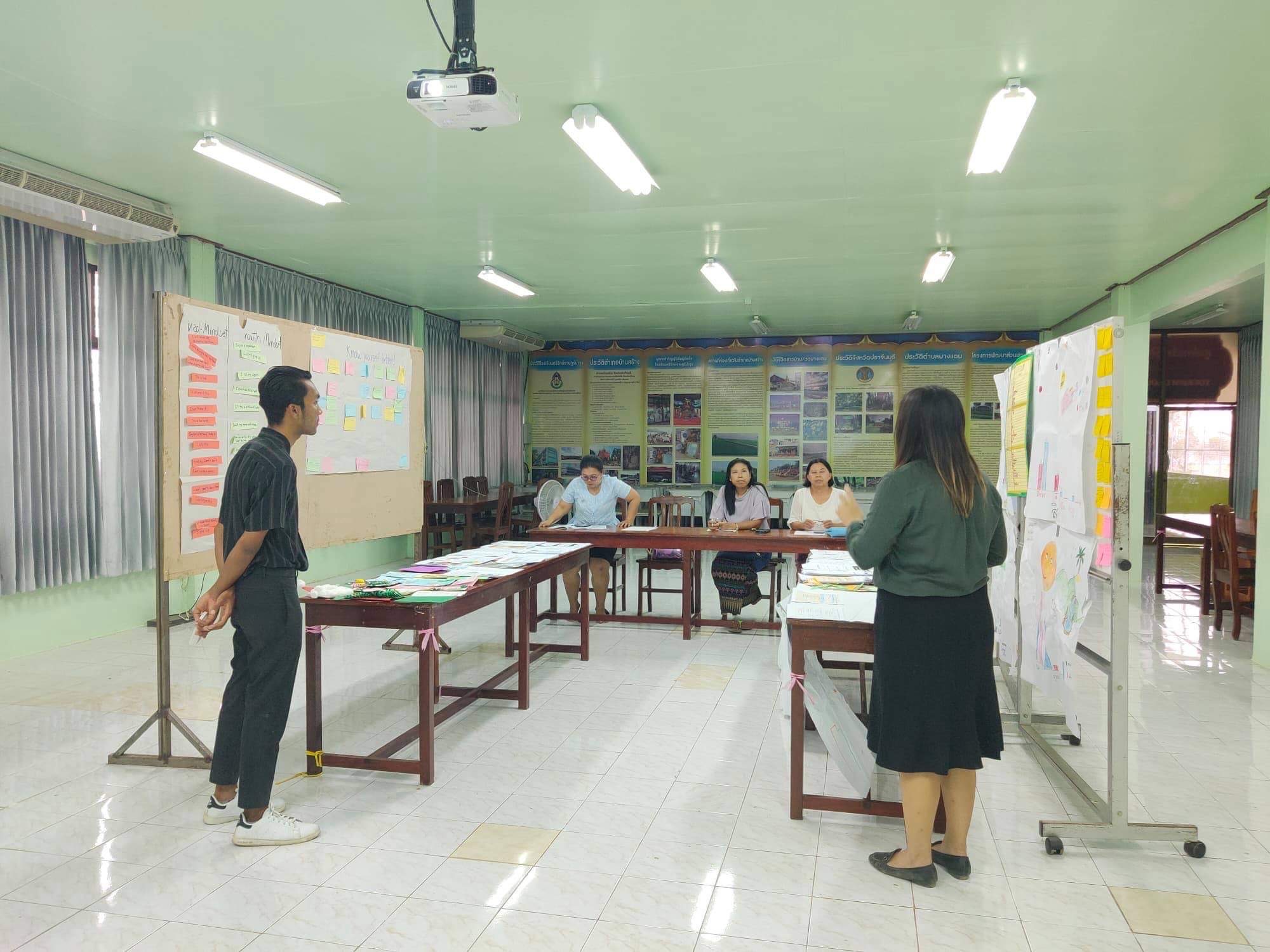
สิ่งที่เธอค้นพบไม่ใช่แค่ความท้าทายในห้องเรียน แต่คือระบบการทำงานทั้งหมด ทั้งโครงสร้างงบประมาณ ความสัมพันธ์ระหว่างโรงเรียนกับองค์กรปกครองส่วนท้องถิ่น และพลังงานที่ครูต้องใช้เพื่อดูแลทั้งนักเรียนและงานเอกสาร
แต่ท่ามกลางทั้งหมดนั้น มีเหตุการณ์ที่เธอจำได้ไม่ลืม คือวันที่เห็นนักเรียนที่เคยไม่มั่นใจในตัวเอง ค่อยๆ เริ่มเชื่อว่าตัวเองทำได้
"มีนักเรียนเข้ามาบอกว่าเข้าใจเนื้อหาวิชาจริงๆ และเราเริ่มเห็นว่าเขาสนใจในการเรียนมากขึ้น นั่นเป็นโมเมนต์ที่ประทับใจที่สุด เพราะไม่ใช่แค่ว่าเราสอนรู้เรื่องเท่านั้น แต่ยังเห็นว่าเด็กๆ เชื่อมั่นในตัวเองว่าเขาทำได้”
สองปีในโครงการฯ ยังให้อีกสิ่งหนึ่งที่เธอไม่ได้คาดไว้ นั่นคือครูในระบบและเพื่อนร่วมรุ่นที่สอนอยู่ในบริบทที่ต่างกันออกไป การได้ยินเรื่องราวจากห้องเรียนของกันและกัน ทำให้เธอเข้าใจการสอนในหลากหลายรูปแบบ มากกว่าที่จะนั่งเรียนทฤษฎีคนเดียว
จากห้องเรียนไทยสู่ห้องเรียนอเมริกา
หลังจบโครงการฯ ป่านเป็นครูอยู่ที่ไทยอีกประมาณ 6 เดือน ก่อนกลับไปที่อเมริกาเพื่อเรียนต่อปริญญาโทด้านการศึกษาที่ University of California, Berkeley และหลังจากเรียนจบ เธอก็เลือกทำในสิ่งที่รู้ว่าตัวเองรัก นั่นคือการสอน
ปัจจุบันป่านสอนวิชาภาษาอังกฤษและประวัติศาสตร์โลกให้กับนักเรียน ม.1 ที่โรงเรียนในเมืองอลาเมดา แคลิฟอร์เนีย ดูแลนักเรียนห้องละประมาณ 30 กว่าคน รวมทั้งชั้นปีกว่า 300-400 คน
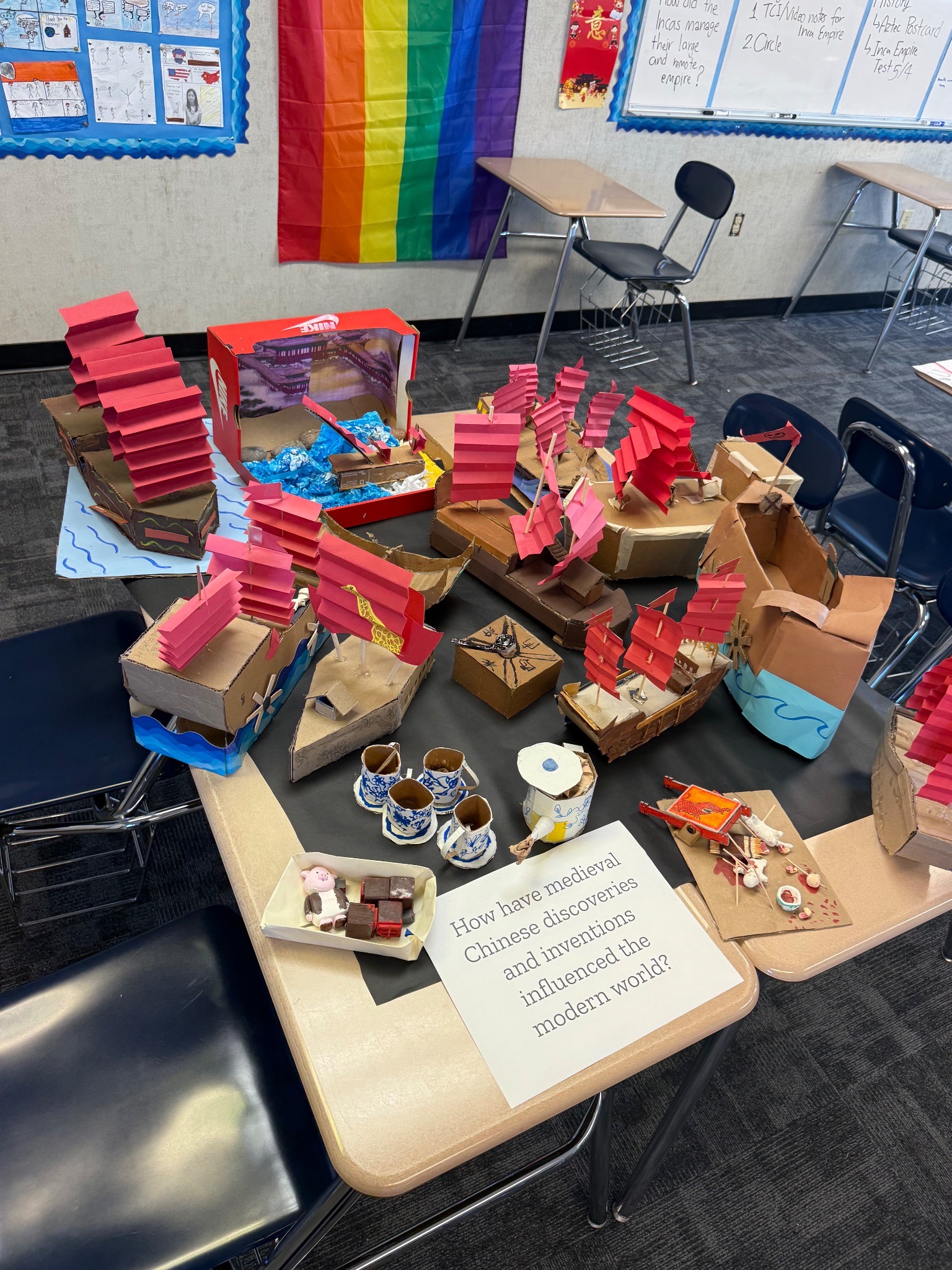
ห้องเรียนที่นี่ต่างออกไปอย่างชัดเจน เด็กๆ ไม่ได้กลัวครูเหมือนที่ไทย บางคนเพิ่งย้ายมาที่อเมริกา บางคนมาจากหลายวัฒนธรรม การสอนจึงไม่ใช่แค่การถ่ายทอดเนื้อหาให้เด็กเข้าใจ แต่คือการสร้างเครื่องมือให้เด็กแต่ละคนสามารถแสดงความคิดของตัวเองออกมาได้
"เราสร้างเครื่องมือที่ช่วยให้เด็กอธิบายความคิดตัวเองขึ้นมาได้ พอเห็นเรียงความ (Essay) ที่เขาเขียนออกมา แล้วเขาสามารถเขียนความเข้าใจของตัวเองในภาษาของตัวเองได้ เราก็รู้สึกภูมิใจในสิ่งที่เขาทำ"
สิ่งที่น่าสนใจคือวิธีที่เธอออกแบบห้องเรียนที่นี่ มีรากฐานมาจากสิ่งที่เธอเรียนรู้จากตอนเป็นครูผู้นำฯ ทักษะการสะท้อนความคิดเห็นในการสอน การทำงานกับคนในหลายบริบท และการเข้าใจว่าปัญหาไม่ได้อยู่ที่ตัวเด็ก แต่อยู่ที่การออกแบบห้องเรียน
"ถ้าอยากเป็นนักบินที่เก่ง เราก็ต้องหัดบินเครื่องบิน ถ้าอยากเป็นครูที่ดี เราก็ต้องลองสอน ทีช ฟอร์ ไทยแลนด์ให้เราได้สอนจริงๆ ในบริบทที่ท้าทาย ซึ่งช่วยให้เราได้พัฒนาวิธีการสอนและยังเข้าใจระบบการทำงานจริงนอกเหนือจากห้องเรียน"
สิ่งที่ไม่มีในตำรา
เมื่อถามว่าถ้าไม่ผ่านทีช ฟอร์ ไทยแลนด์มาก่อน ตอนนี้จะยังอยากเป็นครูอยู่ไหม ป่านตอบว่าน่าจะใช่ แต่มีสิ่งหนึ่งที่เธอรู้ว่าจะต่างออกไปแน่นอน
"เราจะไม่มีความเข้าใจบริบทการศึกษาไทยในรูปแบบที่เราเข้าใจผ่านประสบการณ์ทำงานจริง ทั้งวิธีที่ระบบต่างๆ ทำงาน ปัญหาเชิงโครงสร้างของระบบที่ยังไม่เอื้อแก่ผู้เรียน และสิ่งที่เราในฐานะครูสามารถทำได้เพื่อช่วยนักเรียนของเรา"
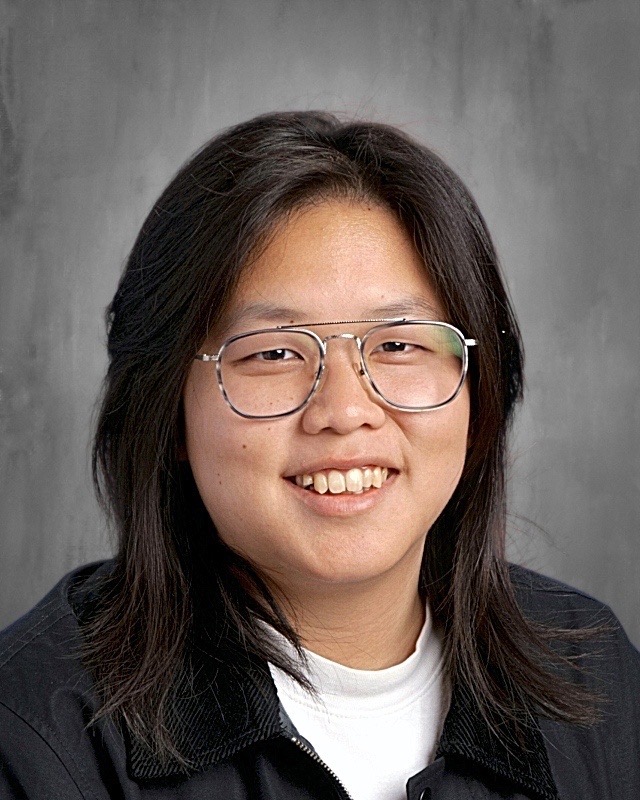
และสำหรับคนที่กำลังคิดจะสมัครเข้าโครงการฯ เธอฝากไว้ว่า
"ถ้าอยากทำงานด้านการสอน อยากเป็นครู หรืออยากเข้าใจระบบการศึกษา ก็เข้ามาลองทำดู แต่อย่าลืมดูแลตัวเองด้วย เพราะการที่เรามีพลังงานที่ดี มีแรงกายแรงใจที่ดี นั่นคือพื้นฐานของการที่เราจะดูแลเด็กได้ดีด้วย"
ป่านแก้ว บุญใบชัยพฤกษ์ เริ่มต้นด้วยการอยากเข้าใจตัวเองและปัญหาที่ไม่คุ้นเคย สองปีในโครงการผู้นำการเปลี่ยนแปลงก็ให้สิ่งนั้น วันนี้เธอยืนอยู่หน้าห้องเรียนในแคลิฟอร์เนีย สอนเด็กจากหลากหลายวัฒนธรรม ด้วยวิธีคิดที่หล่อหลอมมาจากห้องเรียนในจังหวัดปราจีนบุรี
การศึกษาเป็นเรื่องของคนทุกคน และครูที่ดีคือครูที่ไม่หยุดเรียนรู้
ถ้าคุณอยากเป็นส่วนหนึ่งของการขับเคลื่อนการศึกษาไทยไปกับเรา สมัครโครงการผู้นำการเปลี่ยนแปลงได้ที่ https://tft-fellowship.org/
From USC to a Classroom in Prachin Buri: The Two Years That Shaped How She Teaches Today
Pann — Pankaew Boonbaichaiyapruck — graduated from the University of Southern California with two degrees, one in Political Science and one in Communication. As graduation approached, she was certain of only one thing: she wanted to become a teacher.
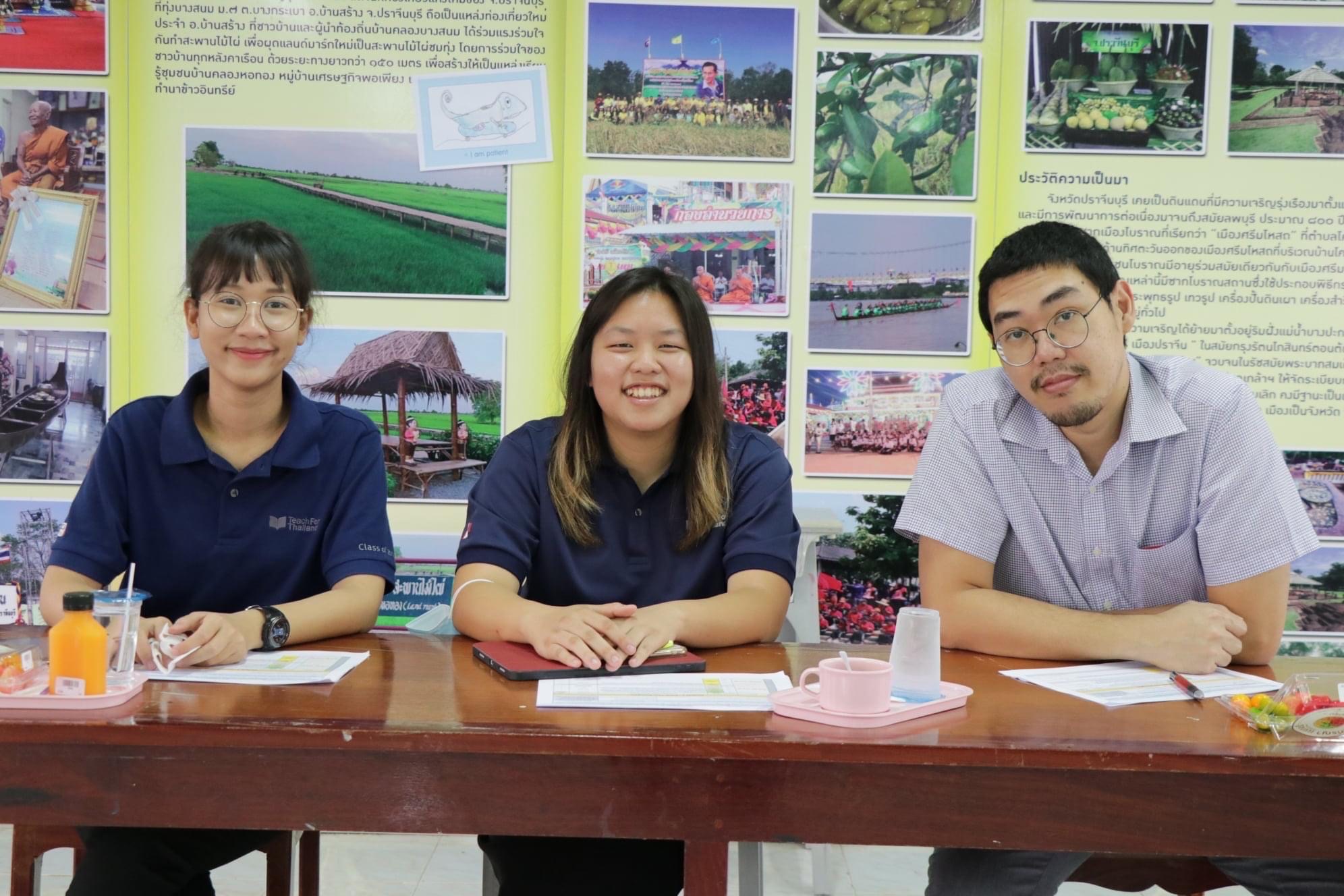
That certainty did not come from a lecture hall. It came from a summer internship in her final year, teaching a class of about 20 fourth-grade students.
“I absolutely loved it. Being able to create a positive impact on children’s lives made me realize that teaching was what I wanted to do.”
But before stepping into a classroom full-time, Pann knew there was a world she still did not understand.
“I feel like I grew up with a lot more privilege than many people. I knew I couldn’t fully understand other people’s perspectives or the realities they face every day.”
That is why she joined the Fellowship Program (Cohort 7) — to understand social inequality firsthand, inside a classroom.
Two Years in Prachin Buri
Pann was placed at Srirak Ratbumrung School, a small school under the Provincial Administrative Organization with just over 20 teachers. She taught mathematics to students in Grades 7 to 10, and because of teacher shortages, often taught multiple grade levels at once.
What she learned went far beyond the classroom. She saw firsthand how high-needs schools are funded, how schools relate to local government, and how much energy teachers spend balancing lessons with administrative work.
One memory has stayed with her the most: watching students who once lacked confidence begin to believe in themselves.
“Some students came up to tell me that they finally understood the lessons, and I could see them becoming more interested in learning. That was the most meaningful moment for me — not only because they understood the content, but because they also started believing in themselves.”
The two years also gave her something she had not expected: a community of teachers. Learning alongside Fellows and teachers working in very different contexts across the country helped her understand Thai education in ways no university course ever could.
From a Thai Classroom to an American One
After the Program, Pann continued teaching in Thailand for six more months before returning to the United States for a Master’s in Education at UC Berkeley. After graduating, she chose to keep doing what she loved: teaching.
Today, Pann teaches English and World History to seventh graders at a middle school in Alameda, California — about 30 students per class, and 300 to 400 students across the school year.
The classroom looks different from the one she taught in Thailand. Some of her students have only recently immigrated to the United States; others come from a wide range of cultural backgrounds. Teaching, she says, is not only about the curriculum — it is about giving every student the tools to express their own ideas.
“I create structures that help students explain their thinking. When I read the essays they write and see them expressing their own understanding in their own words, that’s when I feel proud of what they’ve accomplished.”
Many of the practices she uses today trace back to what she learned as a Fellow: reflective teaching, working alongside people from different backgrounds, and understanding that the challenge is rarely the student — it is how the learning environment is designed.
“If you want to become a great pilot, you have to fly a plane. If you want to become a good teacher, you have to teach. Teach for Thailand gave me the opportunity to teach in a challenging environment, where I could develop my practice while also understanding how education systems actually work beyond the classroom.”
What No Textbook Can Teach
Asked whether she would still have become a teacher without the Program, Pann believes the answer is probably yes. But one thing would have been different.
“I wouldn’t have understood Thailand’s education system the way I do now — not just how different systems operate, but how power structures shape education, and what teachers can realistically do to support their students within those systems.”
Her advice for anyone considering the Fellowship Program:
“If you want to teach, become a teacher, or simply understand how education works, come and try it. But don’t forget to take care of yourself too. Having the energy and well-being to do this work is the foundation for being able to take good care of your students.”
Pankaew Boonbaichaiyapruck set out to understand herself and a world she had never experienced. Two years in the Fellowship Program gave her exactly that — and today, she teaches students from equally diverse backgrounds, carrying with her the perspective she first built in a classroom in Prachin Buri.
Because education belongs to everyone and great teachers never stop learning.
If you'd like to be part of transforming education in Thailand, apply to the Teach for Thailand Fellowship Program at: https://tft-fellowship.org/