
คือเสียงจาก “ฝ้าย” ครูผู้นำการเปลี่ยนแปลง รุ่น 10 ที่ได้เห็นความท้าทายของระบบการศึกษาหลายด้านตลอดประสบการณ์ 2 ปีในโครงการฯ
ปัญหาเหล่านี้แก้ไขในห้องเรียนเพียงอย่างเดียวไม่พอ ฝ้าย ครูผู้นำฯ และศิษย์เก่าทีช ฟอร์ ไทยแลนด์จำนวน 11 คน จึงเข้าร่วมโครงการ Pathway to Policy Recommendation (PPRP) โดยทีช ฟอร์ ไทยแลนด์ เพื่อพัฒนาองค์ความรู้ในการทำข้อเสนอแนะเชิงนโยบาย (Policy Recommendation) และทักษะที่สามารถต่อยอดสู่การเปลี่ยนแปลงเชิงระบบ
PPRP
“ครูผู้นำฯ จะได้ต่อยอดประสบการณ์จากหน้างาน โดยนำมาผนวกกับกระบวนการคิดเชิงนโยบาย เหมือนเป็นผู้กำหนดนโยบาย (policymaker) จริงๆ”
คุณหมอน - ญาณิน พรหมมลมาศ เจ้าหน้าที่อาวุโสฝ่ายเครือข่ายศิษย์เก่า เล่าถึงแนวคิดและการดำเนินการของโครงการ PPRP ที่เริ่มจากการวิเคราะห์ปัญหา รับฟังมุมมองจากผู้เชี่ยวชาญ ศึกษาออกแบบแนวทางแก้ไข และทำข้อเสนอแนะเชิงนโยบายของตนเอง
โดยผู้เข้าร่วมถูกแบ่งออกเป็น 4 กลุ่มตามประเด็นขับเคลื่อน ซึ่งได้นำเสนอข้อเสนอแนะเชิงนโยบายของตนเอง เมื่อวันที่ 16 พฤษภาคมที่ผ่านมา
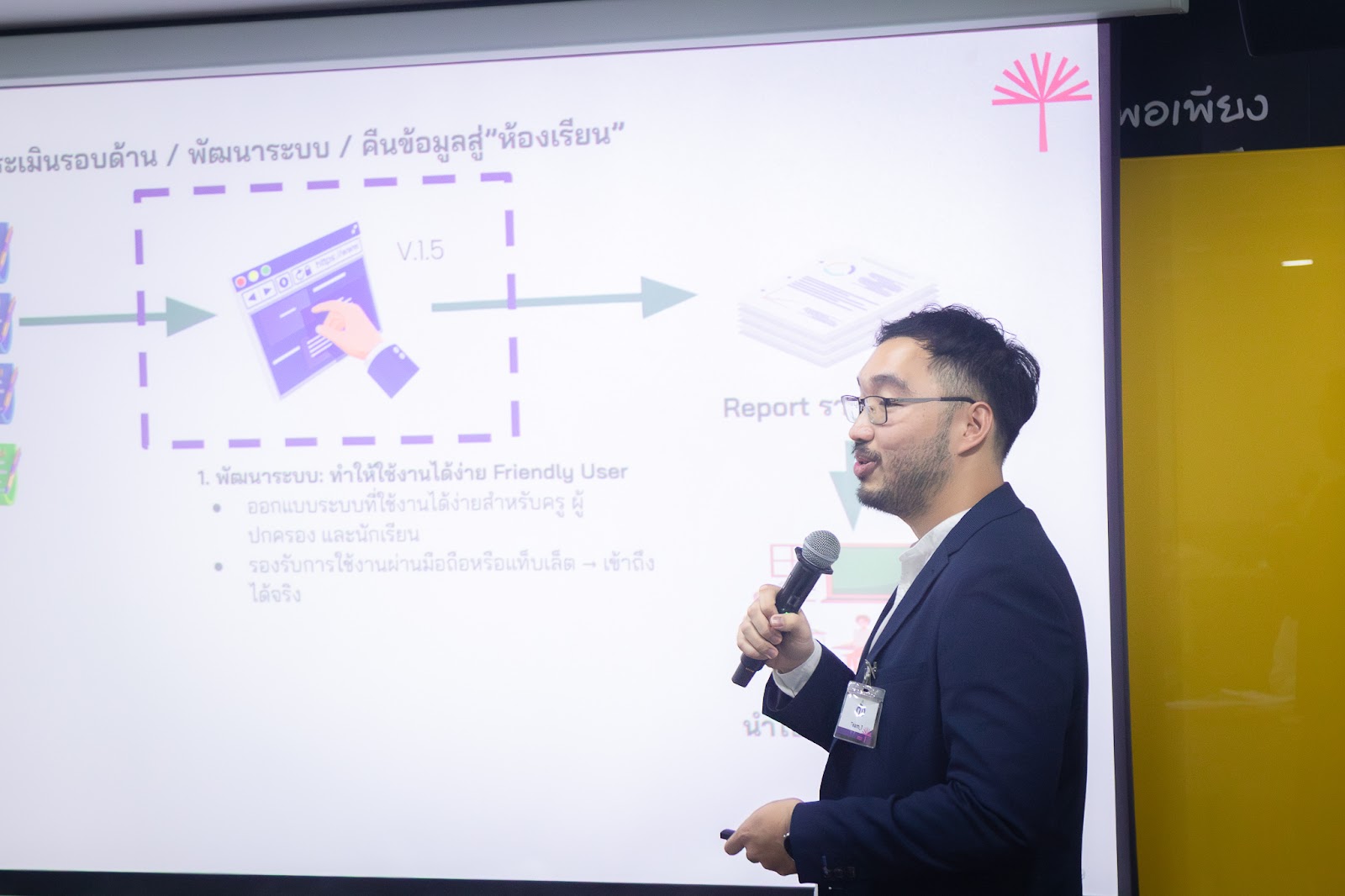
กลุ่มนโยบายการประเมินผล: “แม้ปัญหาการกลั่นแกล้งในโรงเรียนจะสูง แต่หากครูสามารถใช้ข้อมูลที่มีอยู่ในโรงเรียนอย่างมีประสิทธิภาพ ก็สามารถป้องกันปัญหานี้ได้” ตั๋ง – กิตติวุฒิ ธรรมมโนวานิช ศิษย์เก่าฯ รุ่น 2 เล่าถึง “SDQ 1.5” แพลตฟอร์มประเมินที่คืนข้อมูลสู่ห้องเรียน
กลุ่มนโยบายลดพฤติกรรมเสี่ยงนักเรียน: “หากมีระบบที่ดี การเยี่ยมบ้านจะช่วยดึงเด็กกลับสู่ระบบการศึกษาและเป็นพื้นที่เยียวยา” อาย - ปพิชญา คำสอน ศิษย์เก่าฯ รุ่น 9 ผู้นำเสนอ ‘เยี่ยมบ้าน สร้างสุข’ โมเดลช่วยลดปัจจัยเสี่ยงด้านพฤติกรรมของนักเรียน
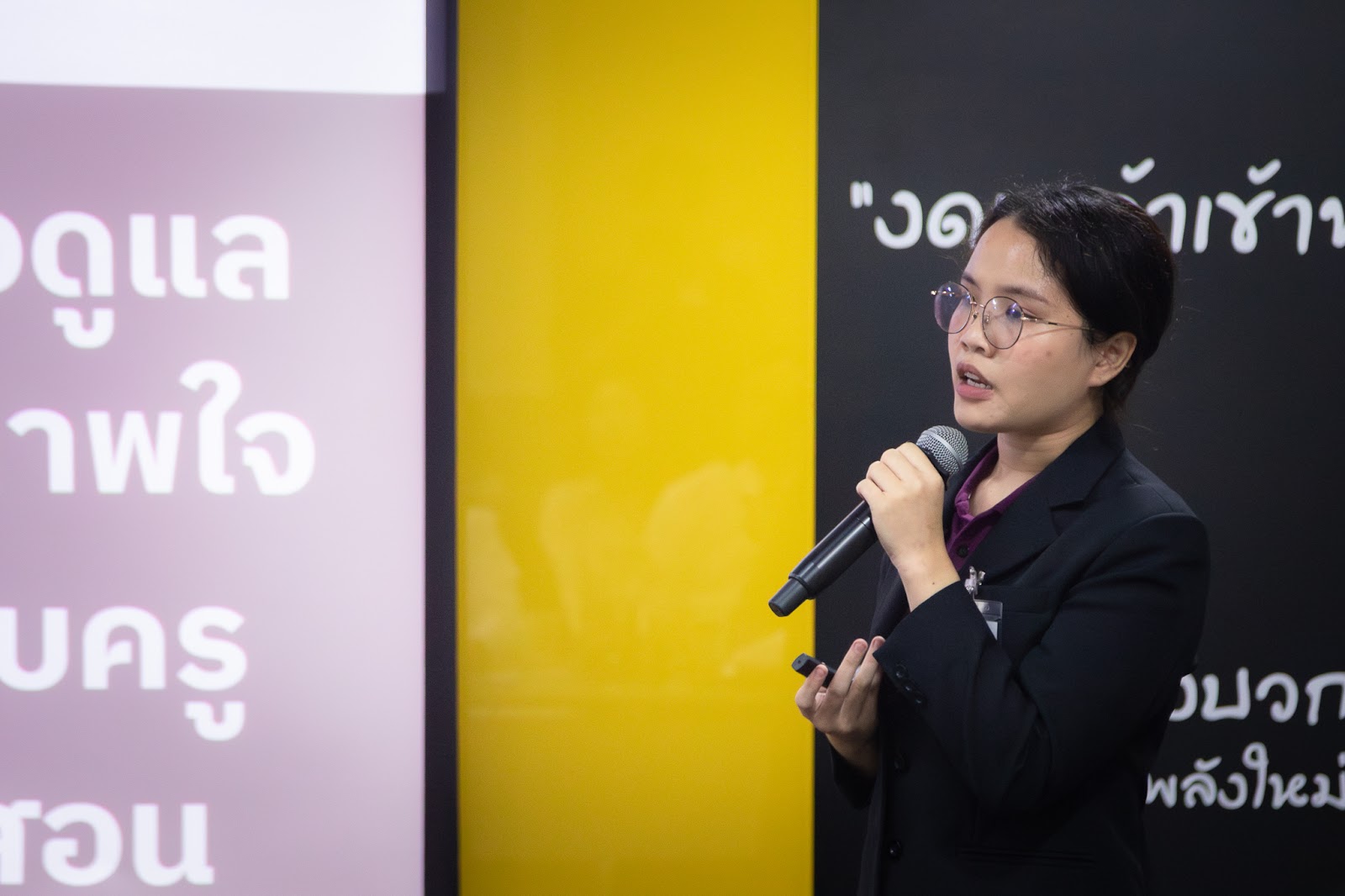
กลุ่มนโยบายสุขภาพจิต: “เด็กและเยาวชนมีปัญหาสุขภาพจิตเพิ่มขึ้นเรื่อยๆ เราต้องเริ่มจากการประเมิน (สุขภาพจิต) ที่มีคุณภาพ เพื่อให้ความช่วยเหลือได้ทันเวลา” ฝ้าย - จิราพร บุตรสาลี ครูผู้นำการเปลี่ยนแปลง รุ่น 10 เล่าถึง “Sai Jai Model” กลไกการประเมินสุขภาพจิตในโรงเรียน
และ กลุ่มนโยบายสัญญาจ้างครู: “สัญญาจ้างสะท้อนปัญหาความไม่เป็นธรรมที่ครูอัตราจ้างต้องเผชิญ” เนย - ศุภกานต์ มั่นใจ ครูผู้นำฯ รุ่น 10 ผู้นำเสนอนโยบาย “เปลี่ยนสัญญาครู (ให้เป็น) ธรรม”
สร้างนโยบาย ที่จุดประกายการเปลี่ยนแปลง
PPRP ไม่เพียงจุดประกายความเป็นผู้กำหนดนโยบายให้กับผู้เข้าร่วม ยังต่อไฟความหวังต่อนโยบายการศึกษาให้กับกรรมการอีกด้วย
“หลายคนมองว่านโยบายเป็นเรื่องของการเมือง ทำให้ประชาชนไม่กล้าเข้ามามีส่วนร่วม” อาจารย์ธีรศักดิ์ จิระตราชู รองประธานคณะอนุกรรมาธิการศึกษาหลักสูตรและการพัฒนาระบบการศึกษาที่มีคุณภาพ สะท้อน
“แต่โครงการนี้สร้างพื้นที่ให้คนที่เห็นปัญหาจริงอย่าง ‘ครู’ ได้มีโอกาสออกแบบนโยบายสาธารณะอย่างแท้จริง”
“วันนี้ ผมเห็นนักการศึกษารุ่นใหม่ที่มีไอเดียดีๆ พวกเขาคือกำลังสำคัญ เป็นโซ่ข้อกลางระหว่างพื้นที่ทดลองกับสนามจริง ซึ่งจะนำไปสู่การแก้ปัญหาของประเทศได้” รศ.ดร. ธันยวิช วิเชียรพันธ์ หรือ อาจารย์แจ็ค ผู้อำนวยการกลุ่มงานวิจัยและแผนพัฒนา มหาวิทยาลัยศรีปทุม วิทยาเขตชลบุรี เสริม
เมื่อมีก้าวหนึ่ง จึงเติบโตต่อ
แม้ข้อเสนอทั้ง 4 จะยังอยู่ในขั้นที่ต้องพัฒนาต่อ แต่ก็เป็นก้าวแรกสู่สายงานนโยบายสำหรับผู้เข้าร่วมทั้ง 11 คน ที่แรกเริ่มเน้นสร้างความเปลี่ยนแปลงจากบทบาท “ครู” ในห้องเรียน
เหมือนเช่นฝ้าย ที่ตั้งใจพัฒนาสุขภาพจิตให้นักเรียน “เราได้พัฒนาความเป็นผู้นำตั้งแต่กล้าตัดสินใจเข้าร่วมโครงการนี้ ถ้าสอนอยู่แค่ในโรงเรียนเราก็จะเติบโตได้แค่นั้น แต่เมื่อกล้าออกมา เราได้พัฒนาตัวเองมากขึ้น” ฝ้ายสะท้อนในฐานะครูผู้นำฯ
“ถ้าข้อเสนอของเราถูกต่อยอดเป็นนโยบายในอนาคต เชื่อว่าเด็กๆ จะมีโอกาสหลุดพ้นจากปัญหาสุขภาพจิตได้จริง”
หรือตั๋ง ศิษย์เก่าฯ รุ่น 2 ที่แม้จบโครงการฯ แล้ว ก็ไม่หยุดพัฒนาทักษะ “ในการทำงานจริง เราไม่ค่อยมีโอกาสนำเสนอเรื่องสำคัญต่อหน้าผู้ใหญ่แบบนี้ เวทีนี้จึงเป็นเหมือนพื้นที่ให้ได้ปล่อยของ”
รวมถึงเมนเทอร์ ผู้เชี่ยวชาญที่ติดตามพัฒนาการของผู้เข้าร่วมรายกลุ่ม ที่มองว่านี่เป็นก้าวแรกที่เต็มไปด้วยการเติบโต
“เราได้เห็นพัฒนาการและความทุ่มเทของน้องๆ ตั้งแต่วันแรกจนถึงวันสุดท้าย ตั้งแต่การระดมความคิด เรียนรู้การทำงานร่วมกัน รับฟังความเห็นของผู้อื่น รวมออกมาเป็นข้อเสนอนโยบายได้สำเร็จ” ทอม - ยุรนันท์ ยิ้มสาระ ตัวแทนเมนเทอร์ กล่าวถึงเส้นทางการพัฒนาของผู้เข้าร่วมทั้ง 11 คนอย่างภูมิใจ

เบื้องหลังของทุกนโยบายที่เปลี่ยนแปลงระบบได้จริง เริ่มต้นจากคนหน้างาน ที่เห็นปัญหาและกล้าที่จะลงมือทำเพื่อสร้างสังคมรอบตัวที่ดีขึ้นอย่างยั่งยืน เหมือนที่เนย ครูผู้นำฯ รุ่น 10 ได้ทิ้งท้ายไว้ว่า
“นโยบาย คือการนำเสียงจากหน้างานไปถึงผู้มีอำนาจหรือผู้เกี่ยวข้องให้พวกเขาเห็นปัญหา จนนำไปสู่ทางออกที่ส่งผลในวงกว้าง”
ร่วมสนับสนุนภารกิจของทีช ฟอร์ ไทยแลนด์ เพื่อส่งเสริมโอกาสทางการศึกษาที่เสมอภาคผ่านการทำงานของ “คนหน้างาน” อย่างครูผู้นำการเปลี่ยนแปลง https://www.teachforthailand.org/give/corporate
From Classrooms To Policies
“We’ve seen teachers and students struggling with mental health, yet the system just does not provide them with enough support”.

Reflected Fai, a Fellow cohort 10, has witnessed many challenges in Thailand’s education system during her 2-year Fellowship Program.
These problems cannot be solved in the classroom alone. That’s why Fai, along with 10 other Fellows and Alumni from Teach for Thailand Foundation, joined the Pathway to Policy Recommendation Project (PPRP), a program designed to build knowledge and skills in crafting education policy recommendations, potentially enabling them to help drive systemic change.
PPRP
“PPRP allows participants to take their hands-on experiences and apply policy-thinking processes, as if they were real policymakers”, said Yanin Prommolmard, Senior Alumni Network Associate at Teach for Thailand, explaining the program’s approach.
They analyze problems, consult experts, design solutions and create policy proposals. They were divided into 4 policy-focused groups, each presenting their recommendations on May 16:
Student Assessment Policy Group: “Bullying remains a widespread issue, but if teachers can use existing data effectively, they can prevent it”, said Tung – Kittiwut Thummanovanich, Cohort 2 Alum, who presented “SDQ 1.5”, an assessment platform that channels feedback directly to the classroom.
Student’s Risk Behavior Policy Group: “With a well-designed system, home visits can bring students back into school and offer a space for healing”, said Eye – Papitchaya Khamsorn, Cohort 9 Alum who introduced “Home Visit for Well-being”, a model aimed at reducing behavioral risk factors.
Mental Health Policy Group: “Mental health issues among youth are on the rise. We need quality assessments to provide timely support”, said Fai – Jiraporn Butsali, Cohort 10 Fellow, who developed the “Sai Jai Model”, a mental health assessment mechanism for schools.
Teacher Contract Policy Group: “Teacher contract terms reflect the injustices against many non-permanent teachers”, said Noey – Supakarn Munchai, Cohort 10 Fellow, who presented “Contract for Fairness”, a proposal to reform teacher employment agreements.
Creating Policy that Sparks Change
The PPRP program also reignites hope for meaningful policy reform among policymakers themselves.
“Many people think policy belongs to politicians, which discourages public participation”, said Teerasak Chiratrachoo, First Vice Chairperson of the Subcommittee on Curriculum Studies and Quality Educational System Development.
“This project gives teachers, who experience the problems firsthand, a true platform to design public policy”.
“Today, I saw a new generation of teachers with great ideas. They are the bridge between sand-box projects and real-world implementation, and they have the potential to lead national change”, added Assoc. Prof. Dr. Thanyawich Vicheanpant, Director at Research and University Development Planning Division at Sripatum University, Chonburi.
Growth Starts with a First Step
Although the 4 proposals are still in early stages, they represent the first step into policymaking for the 11 participants, who started out creating change from within the classroom.
Like Fai, for example, who is passionate about improving students’ mental health.
“I’ve grown as a leader just by deciding to join this project. If I had stayed only in the classroom, my development would’ve been limited. But stepping out allowed me to grow”, she reflected.
“If our proposal becomes a real policy, I truly believe it can help children overcome mental health challenges”.
Or Tung, a Cohort 2 Alum, who said: “We rarely get the chance to present such important issues to senior decision-makers. This platform gave me that opportunity”.
Even the mentors, who worked closely with each group, recognized the growth of the participants.
“We’ve seen how dedicated the participants are, from brainstorming and learning to work as a team, to listening to others and crafting complete policy proposals”, reflected Tom – Yuranun Yimsara, a mentor for the project.
Behind every policy that truly transforms systems, there are people on the ground who see the problems and are brave enough to act.
As Noey, a Fellow cohort 10, put it: “Policy is about bringing frontline voices to those in power, so they can see the issues and move toward large-scale solutions”.
Join Teach for Thailand’s mission to expand access to quality, equitable education through the works and voices of people on the ground, such as our Fellows.
Learn more at: https://www.teachforthailand.org/give/corporate