แต่ก่อนที่จะมาถึงตรงนั้น ทุกอย่างเริ่มต้นจากคำถามง่ายๆ ว่า เธออยากทำอะไรกับชีวิต และคำตอบนั้นไม่ได้อยู่ในตำราเศรษฐศาสตร์
ตลอด 4 ปีในคณะเศรษฐศาสตร์ มหาวิทยาลัยธรรมศาสตร์ เมี่ยวเรียนการเงินและการธนาคารเพราะทุกคนก็เรียนกัน แต่มีช่วงหนึ่งที่เธอไปแลกเปลี่ยนที่อเมริกาแล้วได้เป็นอาสาสมัครไปทำกิจกรรมกับเด็กๆ หลังเลิกเรียน ได้เห็นบรรยากาศโรงเรียน และรู้สึกถึงบางอย่างที่วิชาการเงินไม่เคยให้เธอรู้สึกมาก่อน
"มีหลายๆ อย่างที่ทำให้รู้สึกว่าเราอยากทำงานสายการศึกษา แต่ด้วยความที่ไม่ได้เรียนอะไรที่เกี่ยวกับการศึกษามาเลย จึงคิดว่าโครงการผู้นำการเปลี่ยนแปลงน่าจะเป็นจุดเริ่มต้นที่ดี"
นั่นคือเหตุผลที่เธอสมัครเข้าโครงการฯ ของทีช ฟอร์ ไทยแลนด์ ในฐานะงานแรกในชีวิต
สองปีที่โรงเรียนมัธยมวัดสุทธาราม
แม้จะเป็นที่กรุงเทพฯ แต่ก็ไม่ได้หมายความว่าเด็กทุกคนมีโอกาสเท่ากัน
ที่โรงเรียนมัธยมวัดสุทธาราม เธอค้นพบสิ่งที่ไม่ได้คาดไว้ คือนักเรียนหลายคนอยู่ระดับมัธยมแต่ยังบวกลบคูณหารไม่คล่อง และไม่มีสมาธิในการเรียน
เธอลองหลายวิธี ตั้งกฎห้องเรียนที่ชัดเจน ทำการสอนเสริมแบบตัวต่อตัว (one-on-one) ช่วงพักกลางวันและหลังเลิกเรียน แต่หลายอย่างยังไม่ได้ผลอย่างที่หวัง จนกระทั่งเธอได้มีโอกาสไปร่วมงานประชุม Teach For All ที่มาเลเซีย ซึ่งรวบรวมครูผู้นำฯ จากทั่วโลกมาแลกเปลี่ยนวิธีการสอน
"ทุกคนมาแชร์ว่าลองวิธีนี้แล้วเวิร์ค ลองวิธีนั้นแล้วได้ผล จากงานประชุมนั้นเราได้แรงบันดาลใจมาหลายอย่าง กลับมาเลยเอาหลายวิธีมาลองกับเด็กของตัวเอง แล้วก็เวิร์คจริงๆ อาจเป็นครั้งแรกเลยที่รู้สึกว่าเห็นผลชัดเจน"
สองวิธีที่เมี่ยวนำกลับมาใช้จนเห็นผล คือการฝึกให้เด็กปรบมือตามจังหวะเพื่อสร้างสมาธิในห้องเรียน และการโทรศัพท์หาผู้ปกครองโดยไม่มีเหตุผลอะไร แค่โทรไปแนะนำตัวและบอกว่าลูกเขาน่ารักดี
"ผู้ปกครองแทบไม่เชื่อ เพราะเขาคิดว่าเราจะโทรไปแจ้งเรื่องแย่ๆ เกี่ยวกับลูกเขา เลยรู้สึกว่าเป็นช่วงเวลาเล็กๆ ที่ทำให้เราเชื่อมต่อ (connect) กับเด็กและผู้ปกครองได้จริงเป็นครั้งแรก"
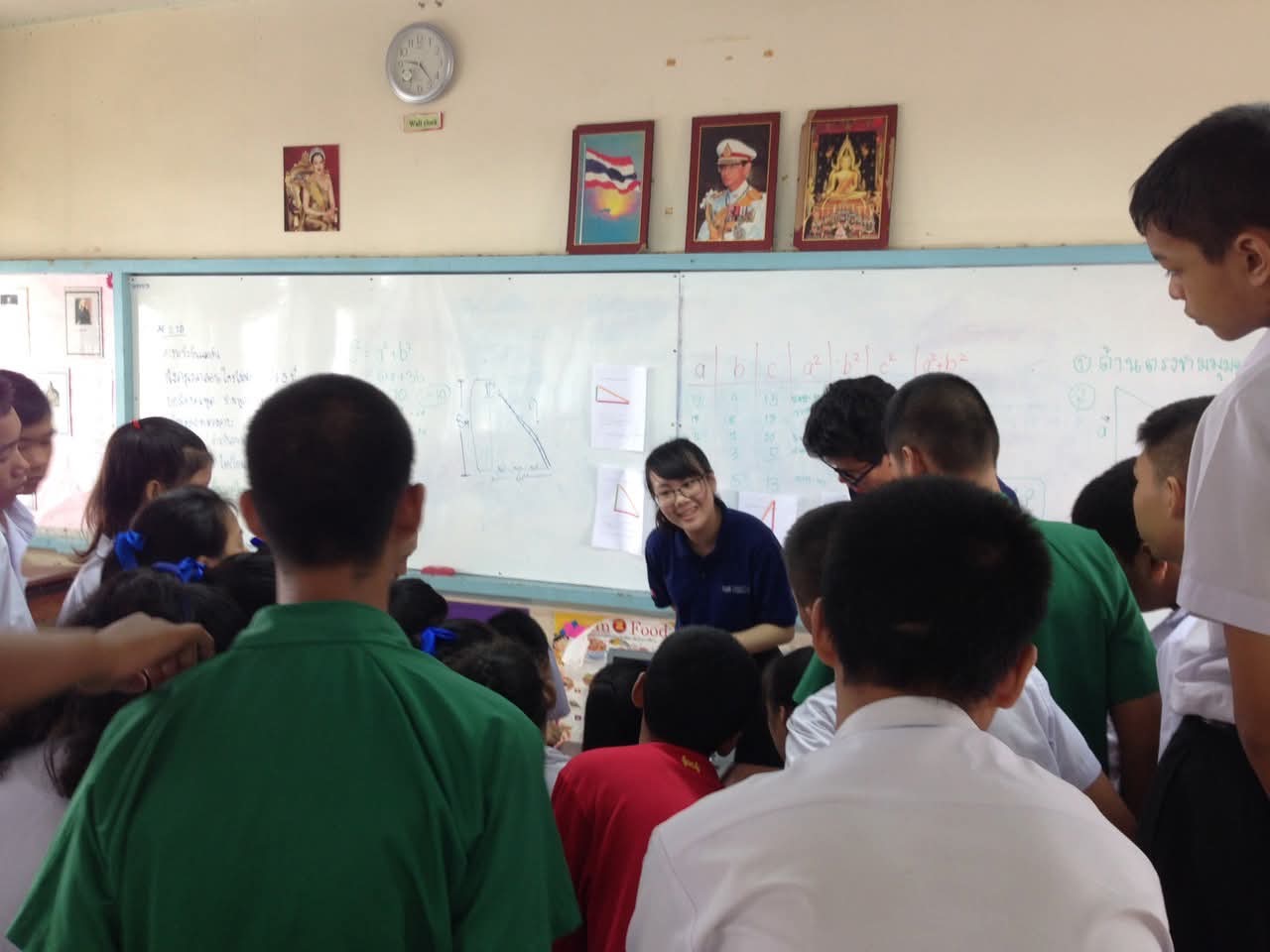
ประสบการณ์สองปีในโรงเรียนยังเปลี่ยนวิธีมองโลกของเธออย่างถาวร เธอเข้าใจแล้วว่าครูในระบบสอนทั้งวันทุกวัน โดยไม่มีเวลาเหลือแม้แต่จะเตรียมการสอน และปัญหาที่เห็นในห้องเรียนไม่ได้เกิดจากความล้มเหลวของตัวบุคคล แต่มาจากข้อจำกัดของระบบที่ใหญ่กว่านั้น
"ก่อนเข้าโครงการฯ เราอาจจะโทษเด็กหรือครูที่ผลลัพธ์ไม่ดี แต่พอเข้าไปอยู่ในโรงเรียนจริงๆ เราถึงเข้าใจว่าทุกคนพยายามในสิ่งที่ตัวเองสามารถทำได้ ภายใต้ข้อจำกัดที่มีอยู่"
จากห้องเรียนสู่ระดับนานาชาติ
หลังจบโครงการฯ เธอเรียนต่อปริญญาโทด้าน Educational Planning, Economics and International Development และปริญญาเอกด้าน Education, Practice and Society ทั้งสองด้านที่ University College London (UCL) ซึ่งรวมการศึกษาเข้ากับเศรษฐศาสตร์ที่เรียนมาก่อนได้อย่างลงตัว
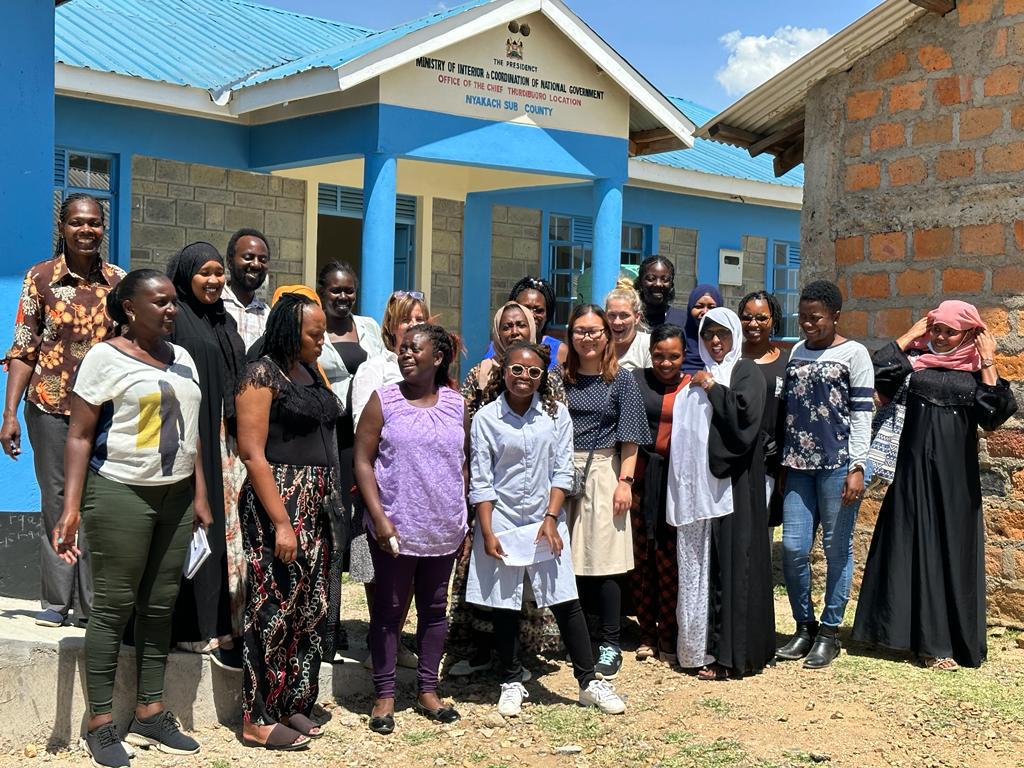
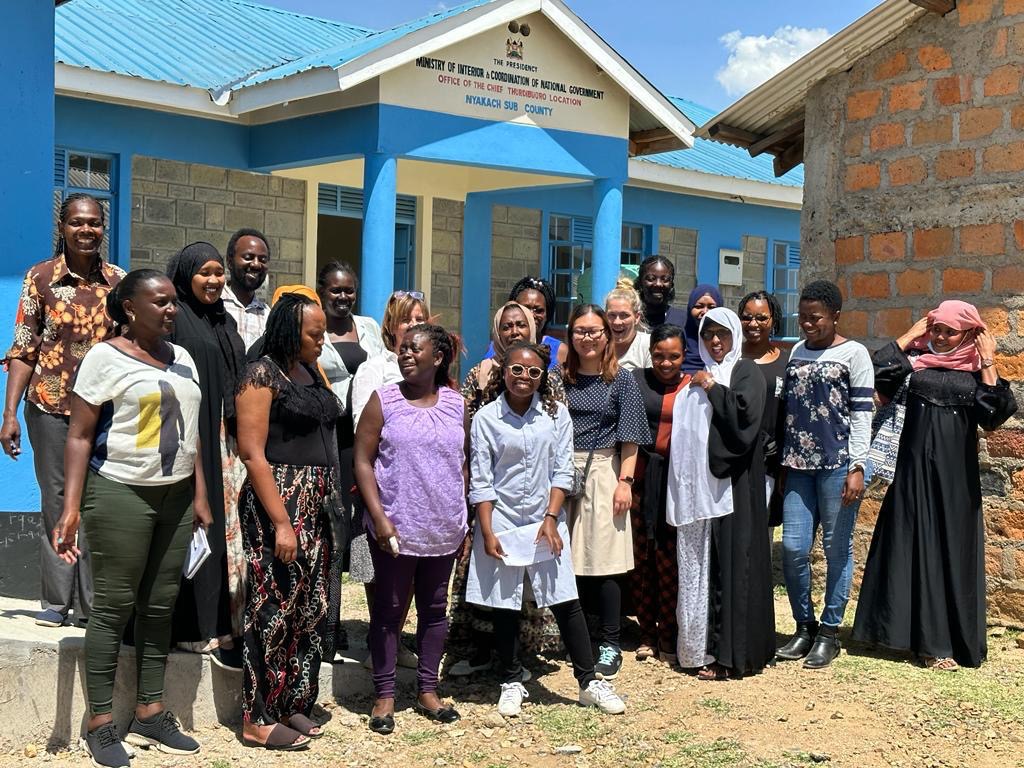
ก่อนที่จะมาทำงานที่ปัจจุบัน เธอทำงานเป็นที่ปรึกษา (consultant) ด้านการพัฒนาระหว่างประเทศ (international development) และเป็นส่วนหนึ่งของทีมประเมินผลโครงการ Girls' Education Challenge ของรัฐบาลอังกฤษ ซึ่งทำงานกับ เด็กหญิงนอกระบบการศึกษากว่า 230,000 คน ใน 14 ประเทศกำลังพัฒนา ทั้งในแอฟริกาและเอเชีย
ปัจจุบันเธอทำงานในตำแหน่ง Insight and Evaluation Manager ที่ The Open University ประเทศอังกฤษ มหาวิทยาลัยออนไลน์ที่ไม่มีเงื่อนไขการรับเข้าศึกษา ทุกคนสามารถสมัครเรียนได้โดยไม่ต้องมีวุฒิการศึกษา หน้าที่หลักของเธอคือการวัดและประเมินผล (impact evaluation) ว่ากิจกรรมต่างๆ ของมหาวิทยาลัยส่งผลอย่างไรต่อนักศึกษาที่มาจากกลุ่มเปราะบาง (disadvantaged background)
ตัวเลขที่เธอดูแลอยู่สะท้อนขนาดของงาน มหาวิทยาลัยมีนักศึกษาที่ลงทะเบียนเรียนกว่า 140,000 คน ในจำนวนนั้นเป็นนักศึกษาผิวดำ (Black students) ประมาณ 1,000 คน อาศัยอยู่ในพื้นที่ยากจน 36,000 คน และประกาศว่ามีความท้าทายด้านสุขภาพจิต 13,000 คน
งานที่เธอภูมิใจที่สุดคือการวิจัยผลกระทบของโครงการยกเว้นค่าธรรมเนียม (fee waiver) สำหรับนักศึกษาที่ต้องการเรียนคอร์สเตรียมความพร้อมก่อนเข้ามหาวิทยาลัย งานวิจัยของเธอกำลังนำไปสู่การปรับนโยบายและออกแบบหลักสูตรใหม่ทั้งหมด ซึ่งจะส่งผลกระทบต่อนักศึกษา ประมาณ 1,000 คนต่อปี
"สิ่งที่เราพยายามทำคือเปลี่ยนจากการช่วยเด็ก 10-20 คนผ่านกิจกรรมเล็กๆ ให้กลายเป็นการเปลี่ยนระบบทั้งหมด เพราะถ้าเปลี่ยนได้ในระดับนโยบาย มันจะส่งผลต่อทุกคนที่เข้ามาในระบบนั้น"
บทเรียนที่ยังใช้ได้ทุกวัน
เมื่อถามว่าสองปีในโครงการฯ ช่วยงานปัจจุบันได้อย่างไร เธอตอบทันทีว่า ทักษะที่สำคัญที่สุดไม่ใช่การสอน แต่คือการเข้าใจว่าแต่ละคนในองค์กรมีเป้าหมายที่แตกต่างกัน และการทำให้เป้าหมายของเราเป็นประโยชน์ต่อเป้าหมายของเขาด้วย เป็นวิธีที่ทำให้การเปลี่ยนแปลงเกิดขึ้นได้จริง

"วิธีพูดที่ทำให้เวิร์คคือ ถ้าเธอทำแบบนี้ มันจะดีต่อเด็กของเธอด้วย ไม่ใช่บอกว่านี่คือสิ่งที่เธอต้องทำเพิ่ม แต่บอกว่าถ้าเธอทำสิ่งนี้ มันจะดีต่อสิ่งที่เธอต้องการทำอยู่แล้วด้วยกัน"
ทักษะนี้เรียนรู้มาจากตอนเป็นครูในโรงเรียน ที่ต้องทำงานกับระบบราชการที่ซับซ้อน และต้องเรียนรู้ว่าการเสนอความเห็นหรือสร้างการเปลี่ยนแปลงในองค์กรนั้น ต้องเข้าใจระบบในที่ทำงานก่อน
และสำหรับเธอ ประสบการณ์จากการเป็นครูในห้องเรียนยังทำให้เธอสามารถให้คำแนะนำได้อย่างมีน้ำหนัก เช่น การบอกทีมวิจัยว่าไม่ควรเก็บข้อมูลในช่วงใกล้สอบ เพราะครูจะเครียดมากเกินไป สิ่งเล็กๆ ที่เธอเรียนรู้จากการเคยอยู่ในสถานการณ์นั้นจริงๆ
สำหรับคนที่กำลังลังเล
"ถ้าสงสัยว่างานด้านการศึกษาเหมาะกับเราหรือเปล่า โครงการฯ เป็นโอกาสให้เราได้ลองดูก่อน 2 ปี จบแล้วค่อยตัดสินใจว่าอยากทำอะไรต่อ บางทีอาจจะชอบเป็นครู บางทีอาจจะไม่ได้อยากเป็นครูต่อ แต่อยากทำงานเพื่อการศึกษาอยู่ มันก็เป็นสิ่งที่ดีที่เราได้รู้ผ่านการลงมือทำจริง"
เมี่ยวจบโครงการฯ แล้วรู้ว่าไม่ได้อยากเป็นครูตลอดชีวิต แต่รู้ชัดเจนขึ้นว่าอยากทำงานด้านการศึกษา สองปีในห้องเรียนกรุงเทพฯ กลายเป็นประตูที่พาเธอเดินทางไปสู่การทำงานในระดับนานาชาติ และส่งผลต่อนักศึกษาและเด็กนอกระบบรวมกันนับแสนคน
การศึกษาในวันนี้สำหรับเธอคือการเรียนรู้ตลอดชีวิต (lifelong learning) ที่ไม่แยกออกจากการทำงานหรือชีวิตประจำวัน และเชื่อว่าทุกคน ไม่ว่าจะมีพื้นเพหรืออายุเท่าไร ควรมีโอกาสเข้าถึงมันได้
ถ้าคุณอยากเป็นส่วนหนึ่งของการเปลี่ยนแปลงนั้น สมัครโครงการครูผู้นำการเปลี่ยนแปลงได้ที่ https://tft-fellowship.org/
From a Bangkok Classroom to Evaluating Education for 230,000 Children Across 14 Countries
Meaw — Sirin Tangpornpaiboon — chose to begin her career in education as a Fellow (Cohort 2), rather than pursue the economics and finance she had studied. Today, her work has reached more than 230,000 students and out-of-school children across 14 countries.
Before any of that, everything started with a simple question: what did she really want to do with her life? The answer was not in an economics textbook.
Through four years studying Economics at Thammasat University, Meaw studied finance and banking because everyone else did. But during an exchange program in the United States, she volunteered at an after-school club for children — and felt something she had never felt while studying finance.
“There were so many moments that made me realize I wanted to work in education. But since I had never studied anything related to it, Teach for Thailand felt like the perfect place to start.”
That is why she applied to the Fellowship Program — her very first job.
Two Years at Matthayom Wat Suttharam School
Being in Bangkok does not mean every child has equal opportunity. At Matthayom Wat Suttharam School, Meaw found challenges she had not expected: many secondary school students still struggled with basic arithmetic and with focusing in class.
She tried setting clear classroom rules and offering one-on-one tutoring during lunch and after school. Progress remained limited — until she attended the Teach For All Global Conference in Malaysia, where Fellows from other countries shared strategies that had worked in their own classrooms.
“Everyone shared teaching methods that had worked for them. I came back inspired and started trying many of those ideas with my own students. It was probably the first time I felt I could clearly see the impact.”
Two strategies stood out. The first was using rhythmic clapping exercises to help students regain focus. The second was simple: calling parents for no reason other than to introduce herself and share something positive about their child.
“Many parents couldn’t believe it, because they assumed teachers only called when something had gone wrong. Those small moments made me feel like I had genuinely connected with both my students and their families for the first time.”
Those two years changed how she saw education. She came to understand that teachers spend nearly their entire day teaching, with little time left to prepare lessons — and that the problems she saw in the classroom were not the result of individual failure, but of larger systemic constraints.
“Before joining the Program, I might have blamed students or teachers when learning outcomes weren’t good. But once I was actually in a school, I realized everyone is doing the best they can within the limitations they face.”
From the Classroom to the International Stage
After the Program, Meaw earned a Master’s in Educational Planning, Economics and International Development, and later a PhD in Education, Practice and Society — both at University College London (UCL). The programs let her combine her economics background with her growing interest in education.
Before her current role, she worked as an international development consultant, and was part of the evaluation team for the UK government’s Girls’ Education Challenge, assessing programs serving more than 230,000 out-of-school girls across 14 countries in Africa and Asia.
Today, Meaw is an Insight and Evaluation Manager at The Open University in the United Kingdom — an online university with no entry requirements, where anyone can apply regardless of educational background. Her main role is impact evaluation: assessing how the university’s programs affect students from disadvantaged backgrounds.
The scale reflects the university’s mission: The Open University serves more than 140,000 registered students, including about 1,000 Black students, 36,000 students living in deprived areas, and 13,000 students who have disclosed mental health challenges.
One project she is especially proud of is her research into the university’s fee waiver program for students taking access courses before entering higher education. Her research is now informing a redesign of both policy and curriculum — with an estimated impact on around 1,000 students every year.
“What we are trying to do is move from helping 10 to 20 students through small activities, to changing the system itself. Because when policy changes, everyone who enters that system benefits.”
Lessons That Continue to Shape Her Work
Asked how the Fellowship continues to influence her work, Meaw answers immediately: the most important skill was not teaching itself, but understanding that everyone in an organization has different goals and priorities — and that meaningful change happens when you align your goals with theirs.
“The conversation that works is: if you do this, it will also benefit your students. You’re not asking someone to take on more work. You’re showing them how the change also supports what they’re already trying to achieve.”
She first learned this as a teacher inside a complex public-school system, where creating change required understanding how decisions were actually made. Her classroom experience still gives her practical credibility today — like advising a research team not to collect data close to exam season, because teachers are already under enormous pressure. A small insight that only comes from having been there.
For Anyone Still Unsure
“If you’re wondering whether education is the right path for you, the Fellowship Program gives you two years to find out. Afterward, you can decide what comes next. You might find you love teaching, or you might find you don’t want to stay in the classroom but still want to work in education. Either way, knowing that through real experience is valuable.”
Meaw learned she did not want to spend her entire career teaching — but she also learned, with certainty, that education was exactly where she wanted to make an impact. Two years in a Bangkok classroom became the gateway to an international career that now touches hundreds of thousands of students and out-of-school learners around the world.
Apply to the Fellowship Program: tft-fellowship.org