ช่องว่างทางการศึกษาไทยในมุมมองของ ‘เปา’ นพดล บุตรสาทร ครูผู้นำการเปลี่ยนแปลงรุ่นที่ 5 ศิษย์เก่าทีช ฟอร์ไทยแลนด์ ผู้ก่อตั้งองค์กร ‘ปัญญาณ’ และรักษาการผู้จัดการโครงการ ‘Foundation to Future’
โครงการ ‘Foundation to Future’ ทำงาน 3 ด้าน เพื่อวางรากฐานการเรียนรู้ให้นักเรียนประถม ได้แก่ การพัฒนาครูผ่านชุมชนการเรียนรู้ที่เข้มแข็ง การส่งครูผู้นำการเปลี่ยนแปลงร่วมทำงานในโรงเรียน และการทำงานกับผู้ปกครองเพื่อกลับไปยังจุดตั้งต้นของการเรียนรู้ เตรียมความพร้อมให้เด็กคนหนึ่งสามารถเริ่มกำหนดเส้นทางชีวิตตัวเอง
เพราะรากฐานของการเติบโต ไม่ได้มีเพียงเรื่องอ่านออกเขียนได้หรือการคิดคำนวณ แต่รวมถึงทักษะชีวิตและการสร้างสภาพแวดล้อมที่เอื้อต่อการเรียนรู้ โครงการนี้จึงเลือกทำงานกับครู โรงเรียน และผู้ปกครองไปพร้อมกัน เพื่อให้เด็กคนหนึ่งไม่ต้องเดินบนเส้นทางการศึกษาเพียงลำพัง
วางรากฐานสู่อนาคต
เหตุผลที่ทำให้เปา เข้ามาทำงานเป็นรักษาการผู้จัดการโครงการ Foundation to Future เพราะอยากจะท้าทายตัวเองและทำงานที่สร้างผลกระทบสังคมให้มากขึ้น เปาจึงเข้ามาเป็นรักษาการผู้จัดการโครงการประถมของทีช ฟอร์ไทยแลนด์ ด้วยจุดประสงค์ที่อยากจะพัฒนาครูและทำงานกับผู้ปกครองผ่านโครงการ Foundation to Future โดยช่วงเริ่มต้นนี้เองที่โครงการฯ ได้รับการสนับสนุนจากมูลนิธิแองเจิ้ลวิงส์ (Angels Wings Foundation) ซึ่งเคยสนับสนุนโครงการนำร่องในการพัฒนาครูในระบบก่อนที่จะพัฒนามาเป็น ‘ปัญญาณ‘ นอกจากการสนับสนุนด้านงบประมาณ เปาเล่าว่า มูลนิธิแองเจิ้ลวิงส์ เปิดพื้นที่ให้ทุกคนกล้าลองผิดลองถูก และค่อย ๆ เดินหน้าสร้างการเปลี่ยนแปลงไปพร้อมกับ Foundation to Future
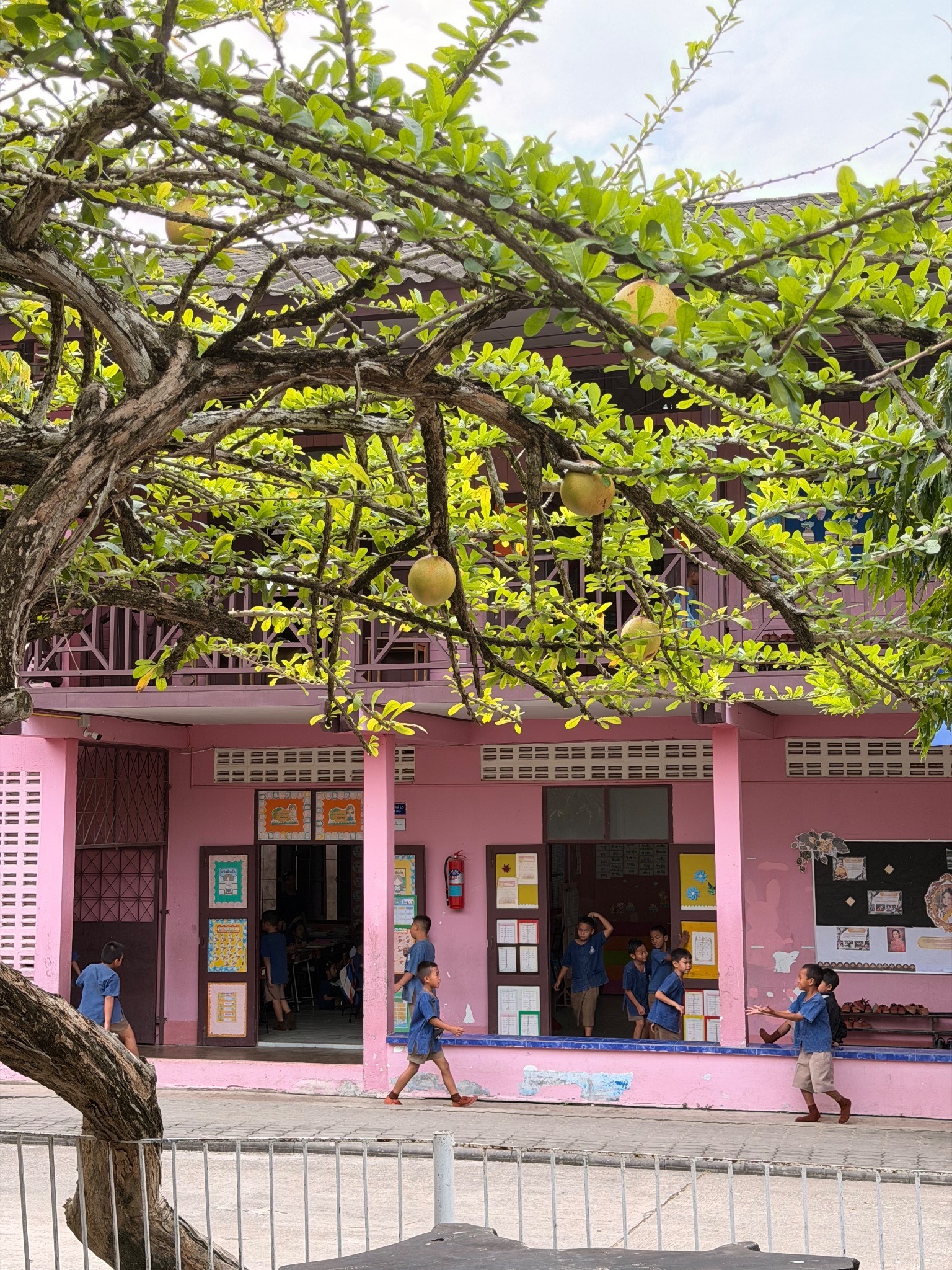
“เขาให้ทุนได้ลองผิดลองถูก สนับสนุนทุนทั้งสามเรื่อง คือ การพัฒนาครูที่เขาก็สนับสนุนทำงานกับครูในระบบหรือปัญญาณ การมีส่วนร่วมของผู้ปกครอง และโครงการครูผู้นำการเปลี่ยนแปลง ผลกระทบที่เกิดขึ้นมันจึงเชื่อมโยงถึงกันหมด“
“การเปลี่ยนแปลงเป็น journey ที่เราต้องค่อย ๆ ทำงาน เพราะเราทำงานกับคนมันไม่มี Best tool หรือ Best แบบ Best theory ว่าทำอย่างแบบนี้แล้วจะสำเร็จ ซึ่งแองเจิ้ลวิงส์เข้าใจสิ่งนี้”
แล้วด้วยการสนับสนุนนี้ก็ทำให้กลไกการทำงานของการสร้างผู้นำการเปลี่ยนแปลงควบคู่ไปกับการพัฒนาครูจากปัญญาณผ่านการส่งครูผู้นำการเปลี่ยนแปลงไปโรงเรียนทั่วประเทศ และสร้างความเข้าใจกับผู้ปกครองเพื่อให้เด็กอ่านออกเขียนได้ดำเนินไปด้วยดี
“ส่วนหนึ่งเราไม่ได้เชื่อว่า การเปลี่ยนแปลงจะเกิดจากคนคนเดียว หรือต้องเป็นฮีโร่ขี่ม้าขาว แต่คิดว่า เราจะเป็นส่วนหนึ่งในฟันเฟืองได้อย่างไรบ้าง”
เพราะเมื่อฟันเฟืองทุกชิ้นเคลื่อนไหวไปในทิศทางเดียวกัน เด็กคนหนึ่งก็จะไม่ถูกทิ้งไว้ข้างหลัง และอนาคตที่เขาฝันถึงจะไม่ใช่เรื่องไกลเกินเอื้อมอีกต่อไป
ครูผู้นำการเปลี่ยนแปลง คือ Ignitor
แม้การทำงานภาพรวมจะดูเหมือนกัน แต่เป้าหมายของโครงการฯ แตกต่างกัน ขณะที่โครงการครูผู้นำการเปลี่ยนแปลงระดับมัธยมจะใช้ตัวชี้วัดการริเริ่มสิ่งใหม่ให้โรงเรียนสามารถไปต่อยอดได้ แต่สำหรับโครงการ Foundation to Future จะให้ความสำคัญกับเด็ก
ซึ่งหมายถึง เด็กจะต้องอ่านออกเขียนได้ (Literacy) คิดคำนวณได้ ( Numeracy ) และ เรียนรู้ทักษะทางอารมณ์และสังคม จัดการตัวเองและอยู่ร่วมกับคนอื่นในสังคมได้ (SEL : Social and Emotional Learning Skill)
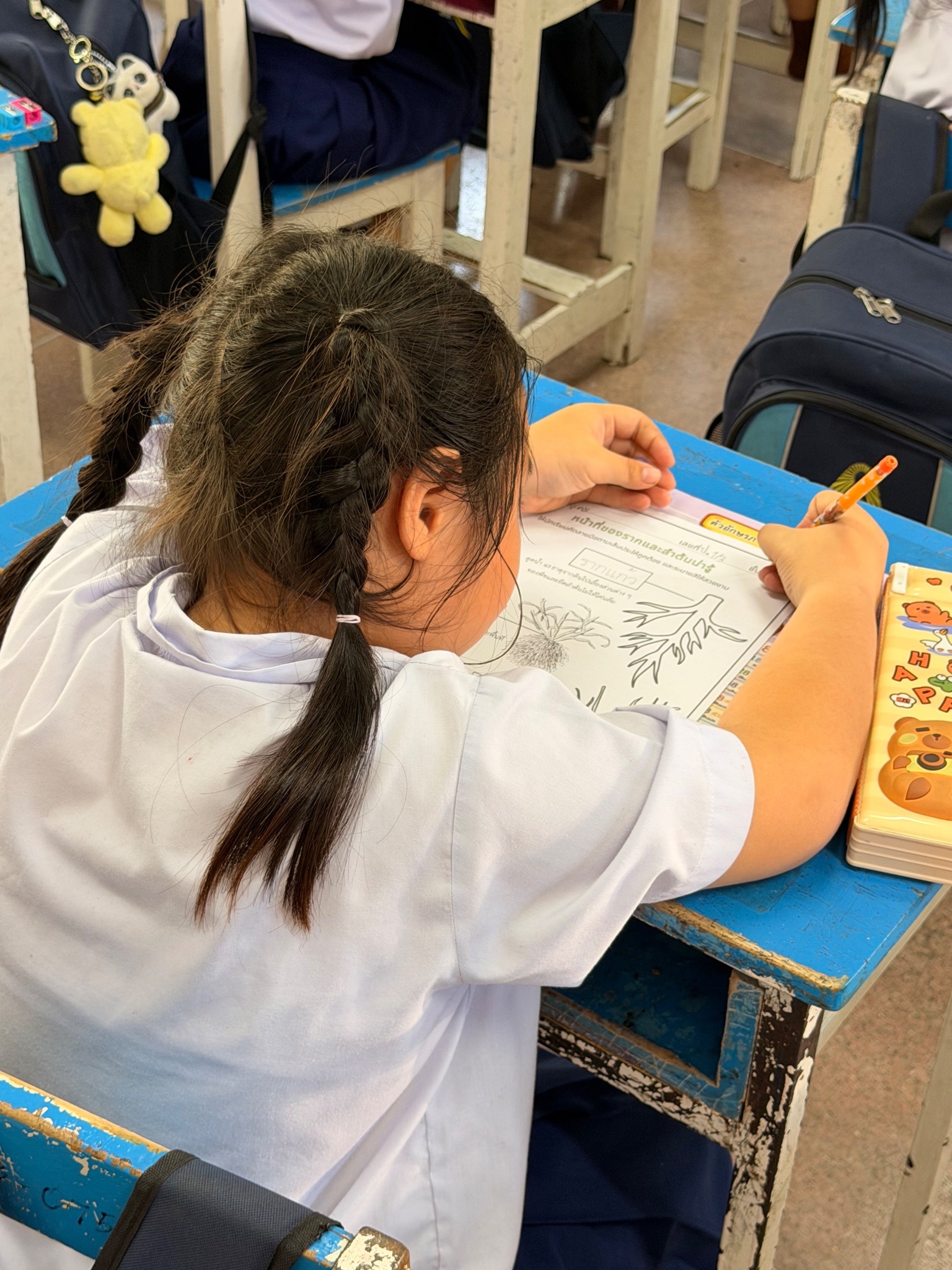
ครูจึงไม่ใช่แค่ผู้มอบความรู้ แต่ต้องเป็น ‘พื้นที่ปลอดภัย’ และค่อย ๆ สร้างความสัมพันธ์เชิงบวก เพื่อให้พวกเขาวางใจและกล้าที่จะสร้างการเรียนรู้ด้วยตัวเอง
“การเรียนรู้ที่มีโครงสร้างและขั้นตอน หรือการคิด ซ้ำ ย้ำ ทวน การสร้างความปลอดภัยทางอารมณ์ และความสัมพันธ์ที่เรามีให้กับเขาจะช่วยทำให้ทักษะการอ่านออกเขียนได้ การคิดคำนวณจะดำเนินต่อไป ได้อย่างดี”
มากกว่านั้น เปาเสริมว่า ครูยังต้องเป็นผู้จุดประกายและเสริมพลังให้กับคุณครูรวมถึงผูู้ปกครอง หันหน้าเข้าหากันเพื่อทำให้พื้นที่ปลอดภัยเกิดขึ้นกับเด็กได้จริง
“มันไม่ใช่ Leadership ผ่าน Fellow คนเดียว แต่มันคือการ Shared Leadership ผ่านครูในโรงเรียนและผู้ปกครอง ที่เราจะมาทำงานร่วมกันให้ดีขึ้น เพื่อเด็กของเรา”
ยกระดับและพลิกโฉมสิ่งที่มีอยู่แล้ว
“เราต้องเป็นกระจกสะท้อนให้ครูผู้นำฯ”
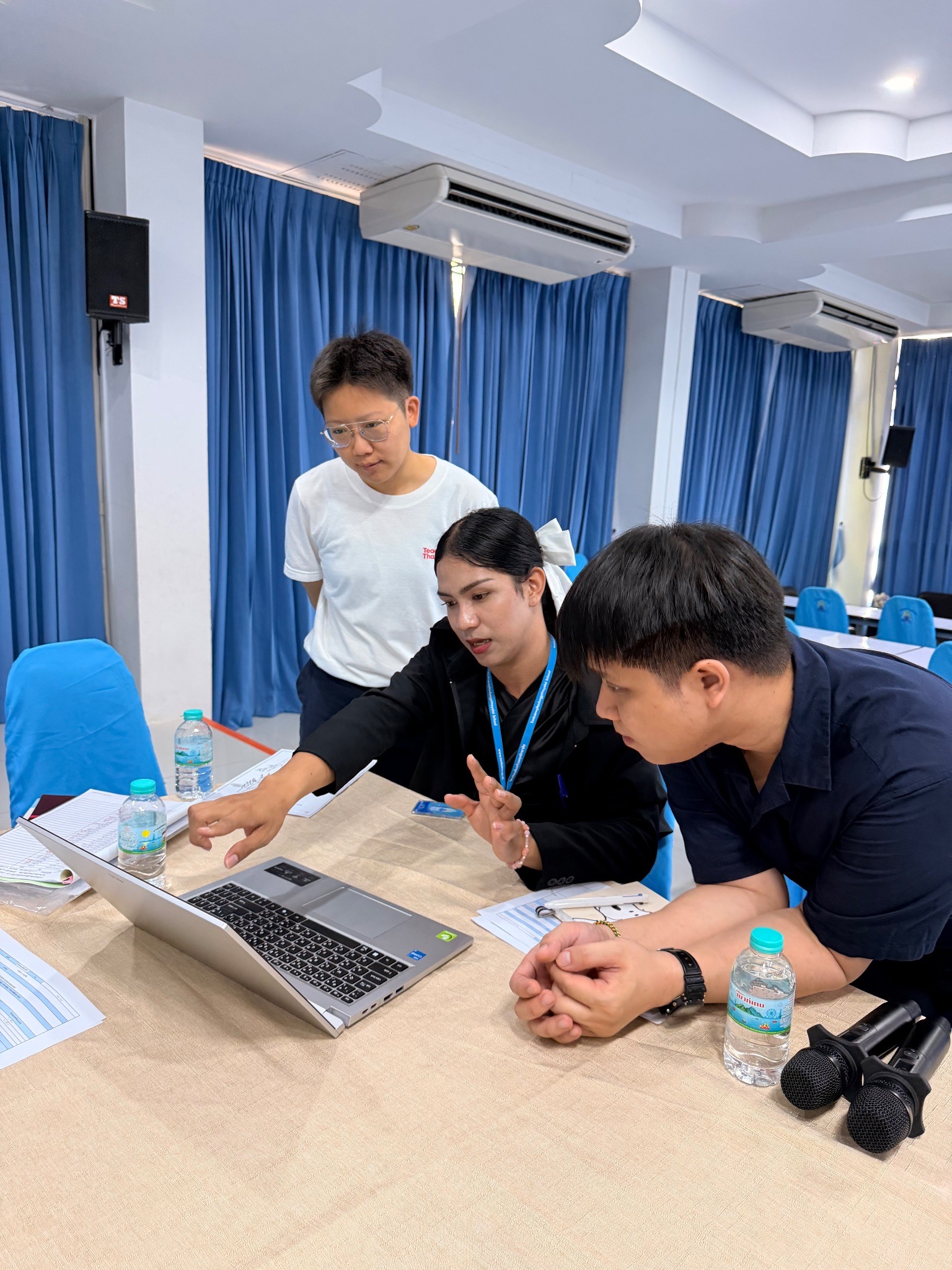
‘ซูพรีม’ รฐามินทร์ เรวัตร์ภิรมย์ ผู้เชี่ยวชาญด้านการจัดการเรียนรู้ระดับประถม และผู้นำโครงการริเริ่มระดับประถมศึกษา เป็นอีกหนึ่งกำลังที่ช่วยขับเคลื่อน ‘Foundation to Future’ ที่ทำงานใกล้ชิดกับครูผู้นำการเปลี่ยนแปลง เล่าว่า ครูแต่ละคนมีวิธีรับมือกับความท้าทายในการสอนเด็ก ๆ แตกต่างกัน ตลอด 1 เทอมที่ผ่านมา เธอได้ลงไป School Visit เป็นโค้ชที่คอยให้คำแนะนำเพื่อให้ครูได้เห็นวิธีการจัดการเรียนการสอนของตัวเองผ่านการสะท้อนคิด จนทำให้ครูเกิดองค์ความรู้ได้ด้วยตนเอง และทำให้ครูสามารถสร้างบรรยากาศการเรียนรู้ที่ทำให้นักเรียนเป็นเจ้าของห้องเรียนอย่างแท้จริง
“ทุกอย่างมันคือประสบการณ์หน้างานที่ครูได้เจอและนำมาปรับให้เข้ากับบริบทของแต่ละห้องเรียน มันอาจจะใช้เวลา 2-3 เดือน หรือมากกว่านั้น แต่นี่แหละจะกลายเป็นประสบการณ์ของครูเอง ที่ครูทุกคนเข้าใจความแตกต่างของนักเรียน และสามารถหยิบเลือกประสบการณ์ของครูมาช่วยสอดแทรกทักษะการอ่านออกเขียนได้ การคิดคำนวณ และ การเรียนรู้ทักษะทางอารมณ์และสังคมได้”
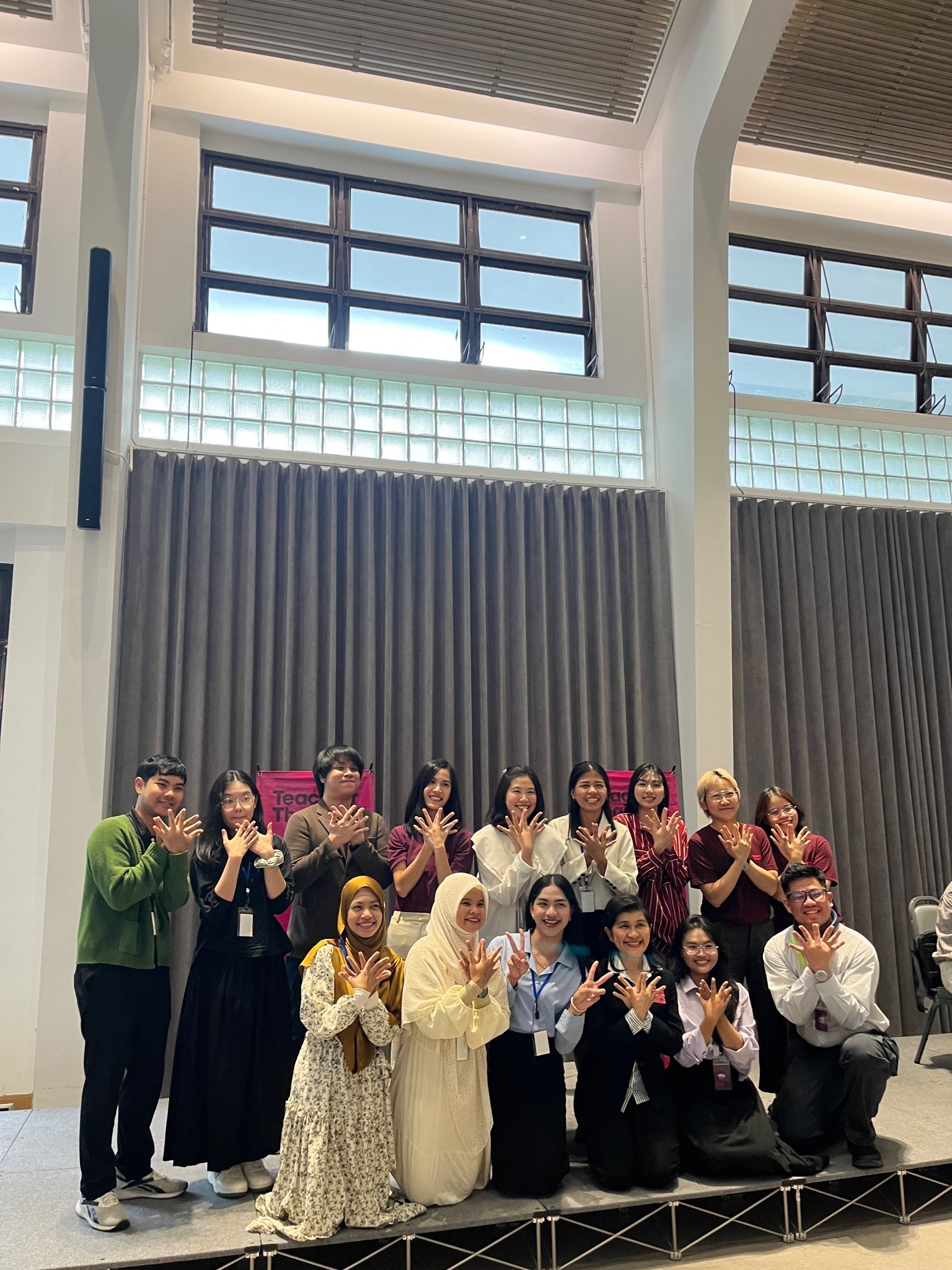
ส่วนเปายังคงย้ำว่า โครงการ Foundation to Future ไม่ใช่โครงการที่เริ่มต้นใหม่ทั้งหมด แต่เป็นการยกระดับโครงการผู้นำการเปลี่ยนแปลงให้เด็กคนหนึ่งมีรากฐานที่แข็งแรงและเติบโตเป็นผู้ใหญ่ที่อยากเป็น
“เราไม่ได้ต้องการพลิกโฉม แต่เรายกระดับสิ่งที่ทุกคนทำอยู่แล้ว ถ้าครูพูดคุยกัน พัฒนาตัวเอง พัฒนาการสอนจากหน้างาน ผู้ปกครองในพื้นที่รู้ว่าต้องซัพพอร์ตลูก ๆ อย่างไร อนาคตก็ไม่ต้องมีโครงการนี้ โรงเรียนก็ขยับต่อได้ คนในชุมชนขยับต่อได้”
นอกจากจะเป็นการยกระดับโครงการครูผู้นำการเปลี่ยนแปลง Foundation to Future ยังเป็นอีกหนึ่งกลไกการสร้างความเสมอภาคทางการศึกษาที่เป็นระบบและยั่งยืนให้กับการศึกษาไทย
เพราะการเปลี่ยนแปลงไม่สามารถเกิดขึ้นได้จากคนคนเดียว ร่วมเป็นการสร้างการเปลี่ยนแปลงตั้งแต่รากฐาน ตั้งแต่ระดับประถมศึกษาร่วมกับทีช ฟอร์ ไทยแลนด์ ได้ที่ partnerships@teachforthailand.org
Early Classrooms That Shape a Lifetime
“Children who cannot read or write often fall out of the education system—or remain in school without truly learning. They struggle to build on their lives and are frequently labeled as ‘below standard.’”
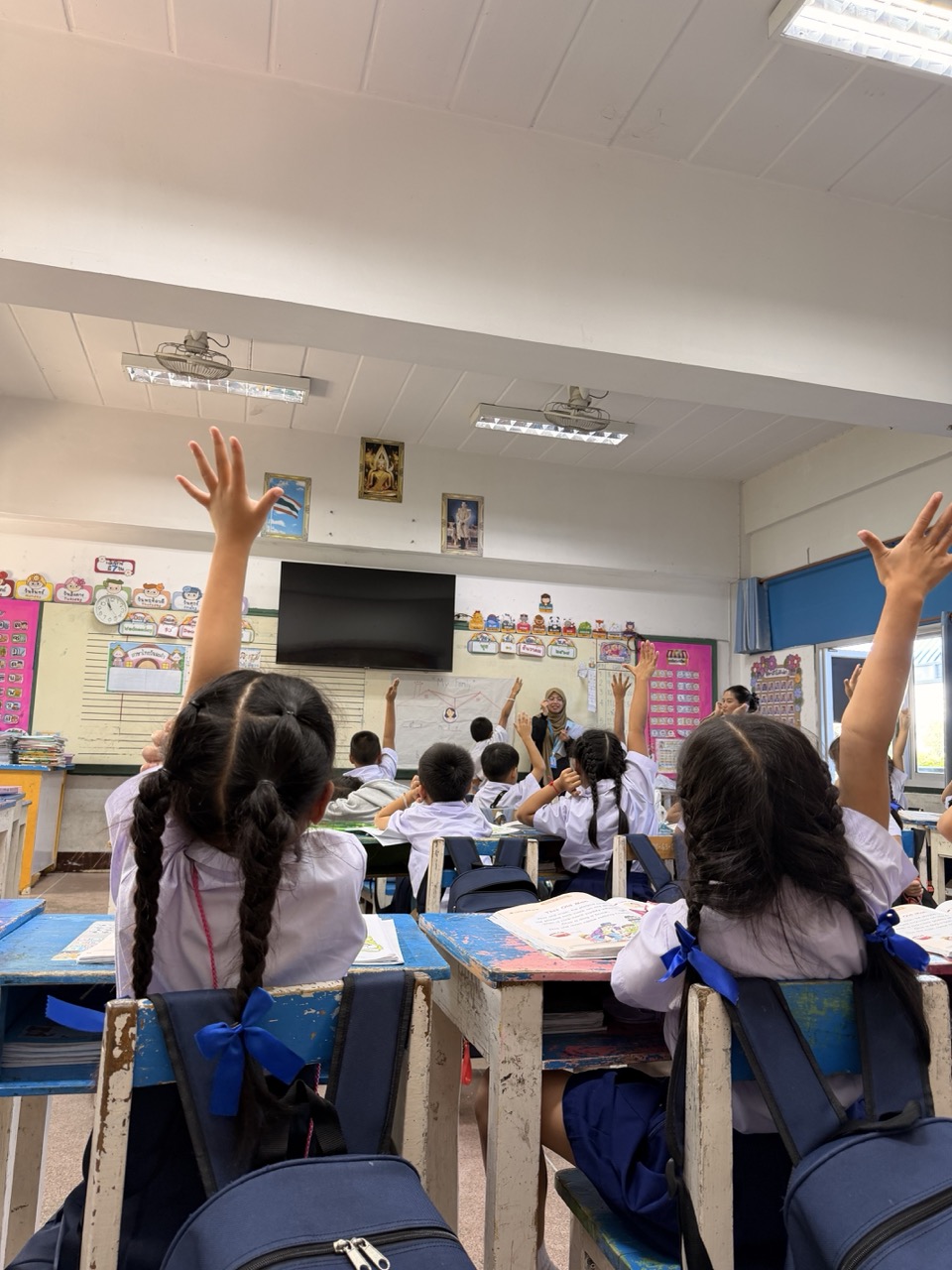
This is how Pao Napadol Butsatorn, a Teach for Thailand Cohort 5 alumnus, founder of Panyaana, and Acting Project Manager of Foundation to Future, describes Thailand’s education gap.
Building Foundations from the Start
The Foundation to Future project works across three key areas to strengthen learning foundations for primary school students:
- Developing teachers through strong professional learning communities
- Deploying Teacher Leaders to work alongside schools
- Engaging parents to return to the true starting point of learning—preparing children to begin shaping their own life paths
Because the foundation of growth goes beyond literacy and numeracy. It also includes life skills and the creation of environments that enable learning to flourish. This is why the project works simultaneously with teachers, schools, and parents—so no child has to walk their educational journey alone.
From One Spark to Many Ripples
Pao stepped into the role of Acting Project Manager for Foundation to Future with a desire to challenge himself and create broader social impact. He joined Teach for Thailand’s primary education work with the intention of strengthening teacher development and parent engagement through the Foundation to Future.
In its early stages, the project received support from Angels Wings Foundation, which had previously backed a pilot teacher development initiative that later evolved into Panyaana. Beyond financial support, Pao shared that Angels Wings created a space where experimentation was encouraged—allowing the team to learn, adapt, and move forward together.
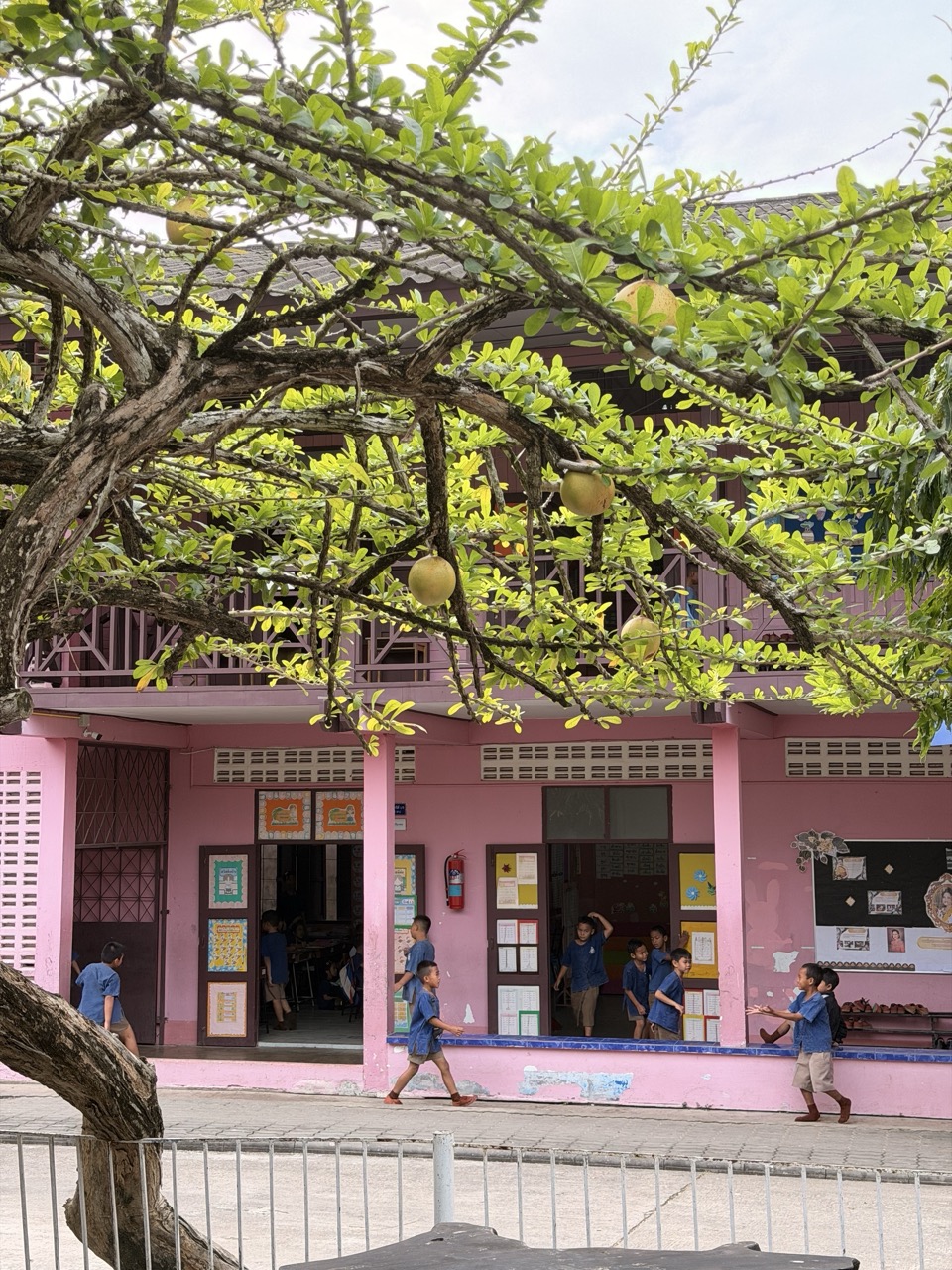
“They supported us in trying, failing, and learning. Their funding covered all three pillars—teacher development (both in-system and through Panyan), parent engagement, and the Fellowship program. The impact of each part is deeply interconnected.”
“Change is a journey. When working with people, there’s no single ‘best tool’ or ‘best theory’ that guarantees success. Angels Wings understands that.”
This support enabled a coordinated system—developing Fellows alongside strengthening teachers through Panyaana, placing Fellows in schools nationwide, and building shared understanding with parents to support children’s literacy development.
“We don’t believe change comes from one person, or from a single hero riding in on a white horse. We ask instead: how can we each become part of the mechanism?”
When every gear moves in the same direction, no child is left behind—and the future they dream of becomes within reach.
Fellows as Ignitors
While the overall structure may resemble other initiatives, Foundation to Future differs in its core focus. Unlike secondary-level Fellowship program—often measured by innovation and scalability—this project centers squarely on the child.
This means ensuring that children can:
- Read and write (Literacy)
- Perform basic calculations (Numeracy)
- Develop social and emotional skills—managing themselves and living well with others (SEL: Social and Emotional Learning)
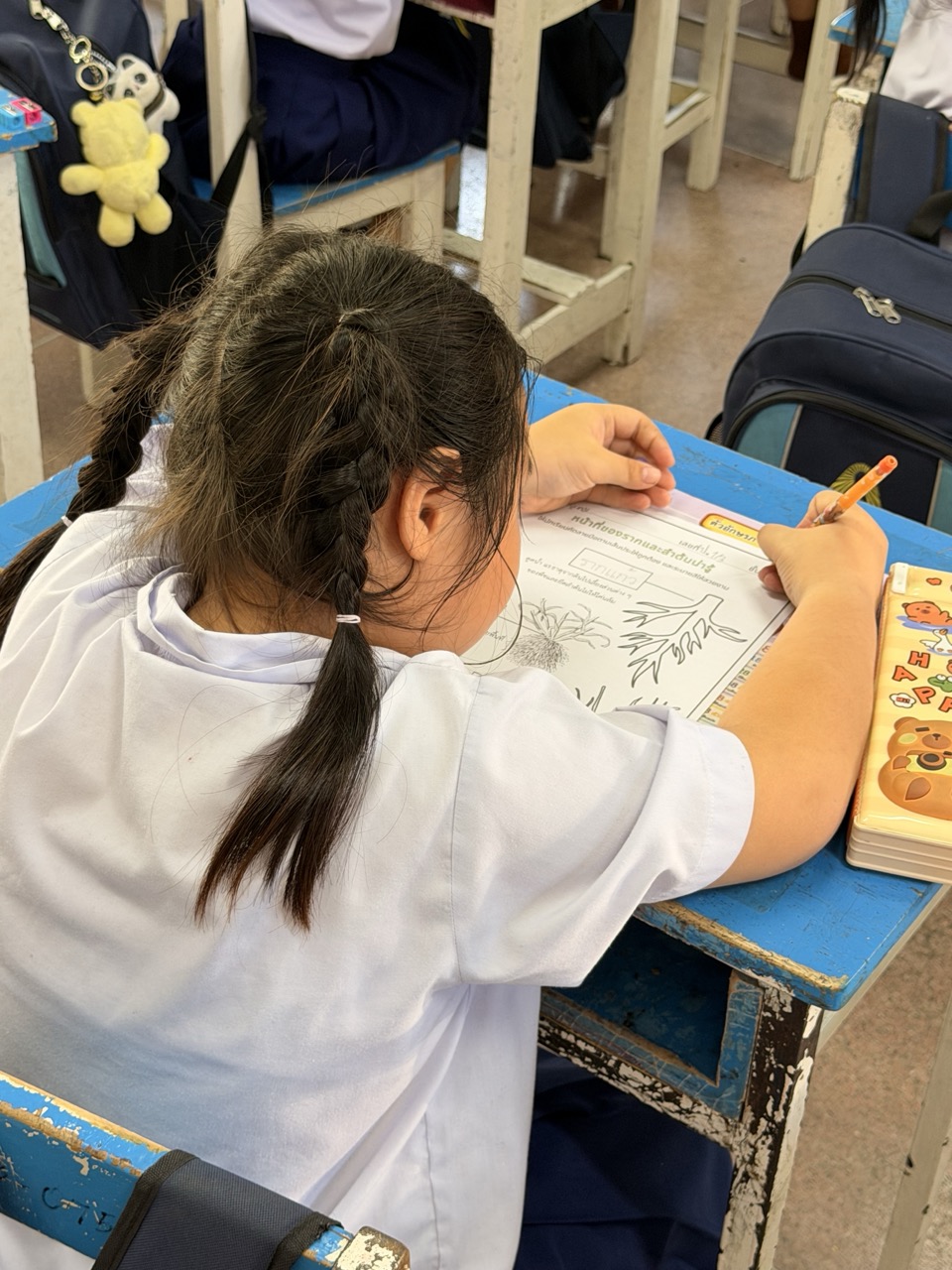
Teachers, therefore, are not just providers of knowledge. They must become safe spaces—building trust and positive relationships that empower children to take ownership of their own learning.
“Emotional safety, structured learning, repetition, reflection, and the relationships we build with children—all of these support literacy and numeracy to develop effectively.”
Beyond this, Pao emphasizes that Fellows must also ignite and empower fellow teachers and parents to work together in creating real safe spaces for children.
“This isn’t leadership through one Fellow alone. It’s shared leadership—among teachers in schools and parents—working together, better, for our children.”
Putting the Pieces Together for Systemic Change
“We have to be a mirror for our Teacher Leaders.”
‘Supreme’ Rattamin Rewatphiroam, a specialist in primary-level learning management and a leader of the Primary Education Initiative, is one of the key forces driving Foundation to Future. Working closely with Fellows who are leading change, she explains that each Fellow responds to classroom challenges in different ways—and at times, some issues remain unresolved.
Over the past term, she has conducted school visits as a coach, offering guidance that allows Fellows to see their own teaching practices through reflective observation. This process helps Fellows generate knowledge for themselves and create learning environments where students truly take ownership of the classroom. Each Fellow then adapts these insights to their own teaching context.
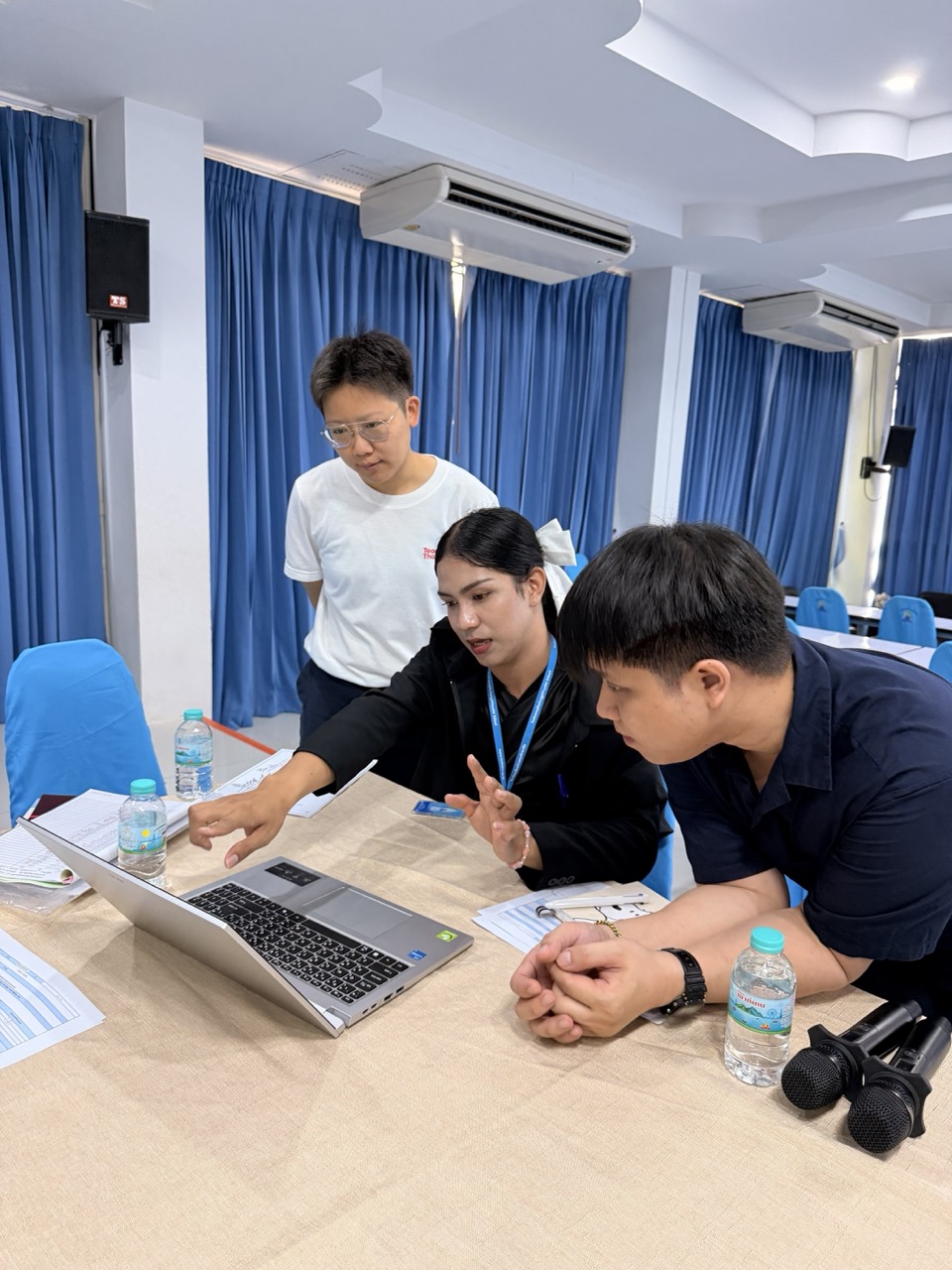
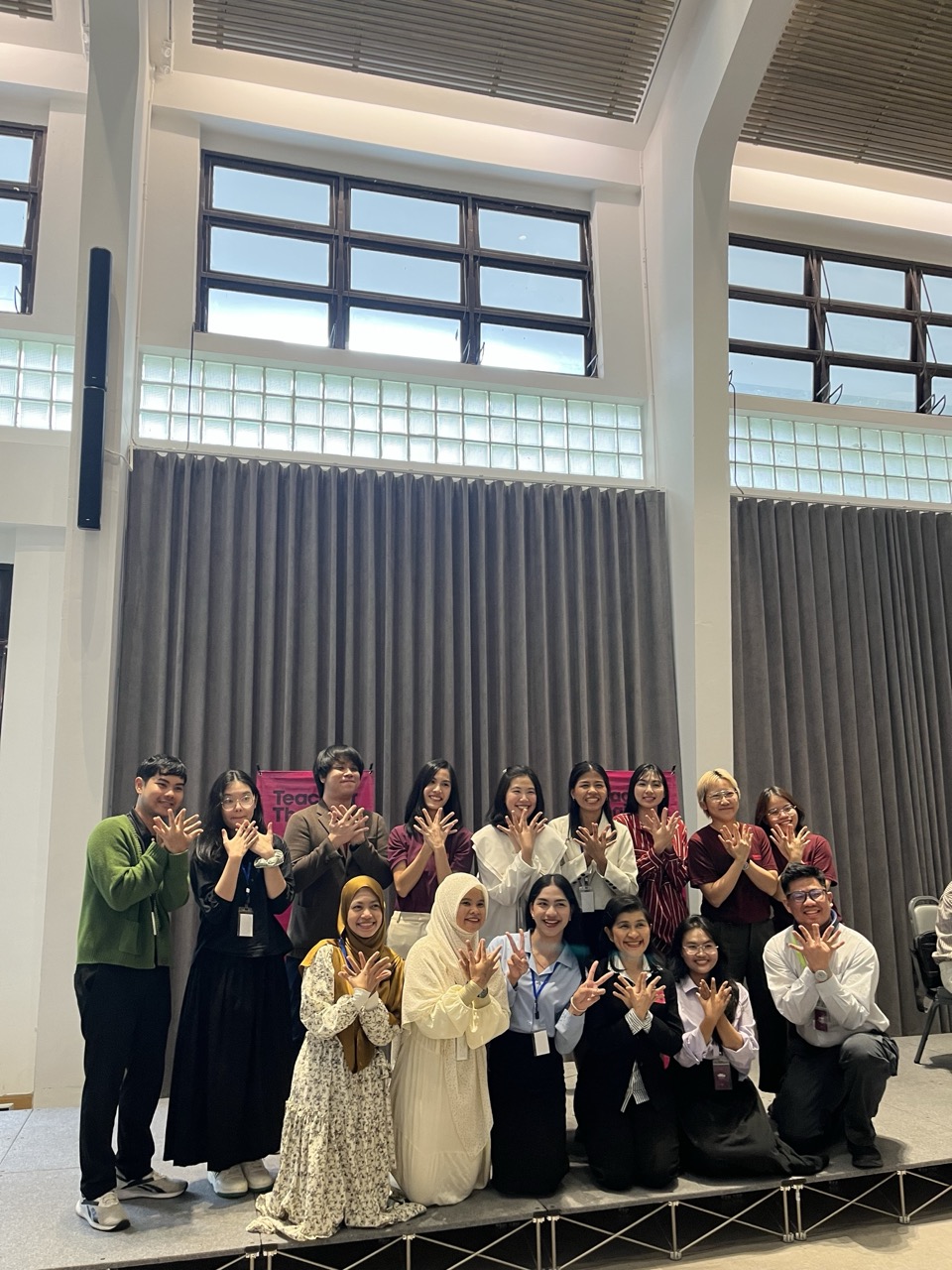
Pao reiterates that Foundation to Future is not about starting from scratch, but about elevating the existing Fellowship program so children can develop strong foundations and grow into the adults they aspire to become.
“We’re not trying to reinvent everything. We’re strengthening what’s already there. If teachers collaborate, continuously develop their practice, and parents understand how to support their children, one day this project won’t be necessary. Schools and communities will be able to move forward on their own.”
Beyond strengthening the Fellowship model, Foundation to Future serves as a systematic and sustainable mechanism for advancing educational equity in Thailand.
Because meaningful change cannot be driven by one person alone—join us in building change from the ground up, starting in primary education, with Teach for Thailand: partnerships@teachforthailand.org