“ทุกพฤติกรรมของเด็ก มักจะมีเบื้องหลังซ่อนอยู่”
นี่คือข้อคิดสำคัญที่ ‘ครูซัลวา’ ฟาตีหม๊ะ เจ๊ะดะ ได้เรียนรู้จากการฝึกงานที่บ้านพักเด็กและครอบครัว ซึ่งเป็นประสบการณ์ที่เธอนำกลับมาประยุกต์ใช้ในบทบาทครูผู้นำการเปลี่ยนแปลงรุ่นที่ 11 ที่โรงเรียนวิเชียรกลิ่นสุคนธ์อุปภัมภ์ จังหวัดอยุธยา
เพราะในห้องเรียนของเธอ มีนักเรียนที่มีภาวะบกพร่องทางการเรียนรู้ แต่ไม่มีใครรู้มาก่อน เธอจึงเลือกปรับเปลี่ยนห้องเรียนให้ยืดหยุ่น เข้าใจความแตกต่าง และทำให้เด็กทุกคนเรียนรู้ไปได้พร้อมกัน
ไม่ตัดสิน แต่เข้าใจ
ถึงตอนแรกครูซัลวาจะเผลอตัดสินว่า เด็กที่ชอบเหม่อ ไม่สนใจเรียน และไม่ส่งงานจะเป็น ‘เด็กที่ไม่ตั้งใจเรียน’ แต่สุดท้ายเธอก็เลือกเปิดใจกับนักเรียนตรงๆ ส่วนหนึ่งเพราะเชื่อว่า ทุกการกระทำของเด็กคนหนึ่งมีเรื่องราวซ่อนอยู่เบื้องหลังเสมอ
ครูซัลวาจึงทำให้เธอรู้ว่า เหตุผลที่เด็กคนนั้นไม่ตั้งใจเรียน เพราะเขาเรียนไม่ทัน
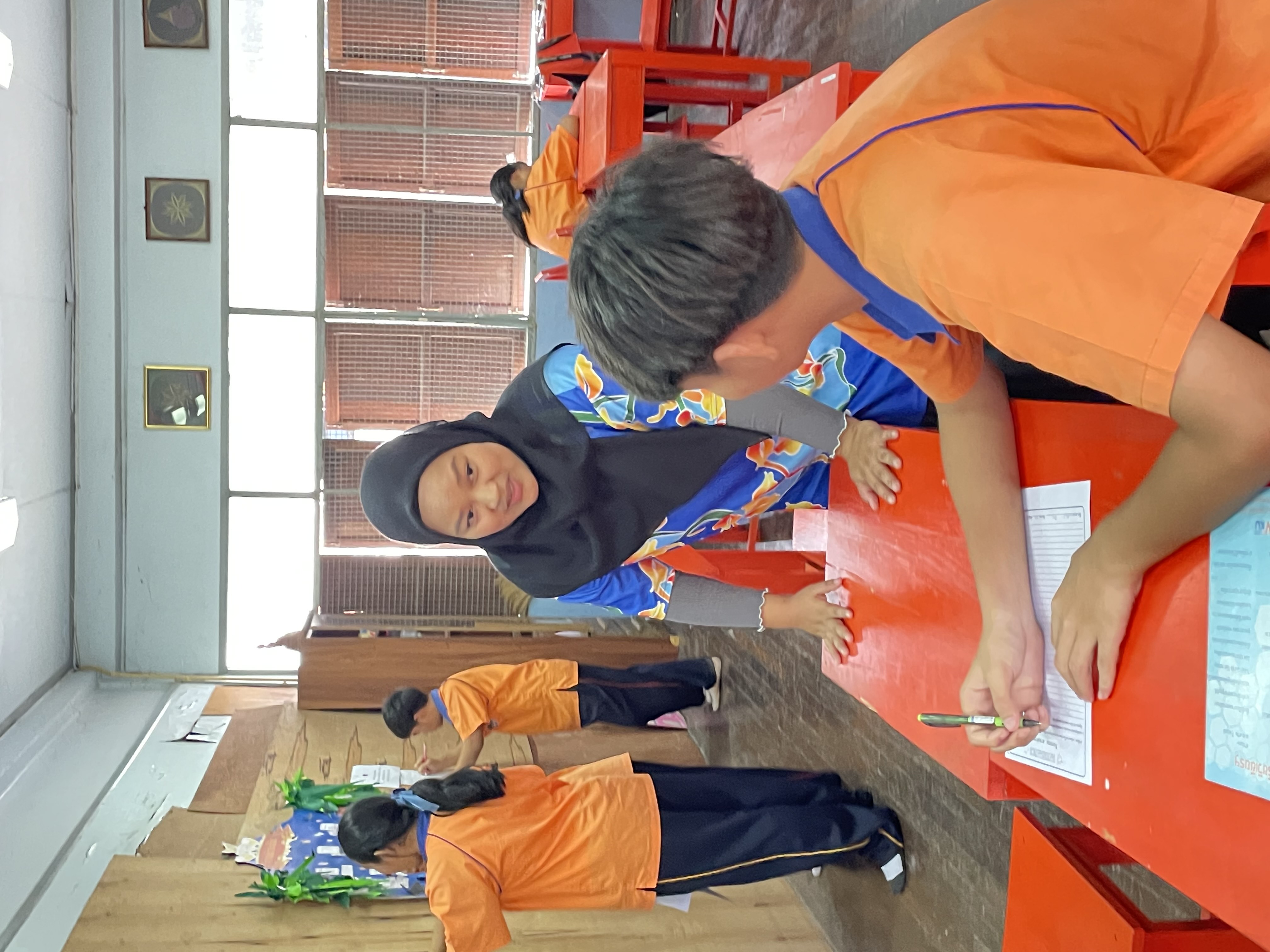
“เราเรียกนักเรียนมาคุยส่วนตัวว่า มันเกิดอะไรขึ้น แล้วเขาก็ตอบว่า เขาอยากเรียน อยากทำงานที่ไม่ได้ส่ง แต่เขาไม่รู้ว่างานที่ครูสั่งมาคืออะไร เขาเรียนยังไม่รู้เรื่อง แล้วจะเอาความรู้จากที่ไหนไปทำงานส่งครู”
เธอเลยปรึกษากับผู้ปกครอง แล้วได้คำตอบว่า นักเรียนเป็นเด็กสมาธิสั้น หลังจากพาไปตรวจอย่างละเอียดกับคุณหมอก็พบว่า นักเรียนชั้นมัธยมศึกษาปีที่ 1 คนนี้ กำลังเผชิญกับภาวะ Learning Disorders หรือ ภาวะบกพร่องทางการเรียนรู้ หมายถึง ผลสัมฤทธิ์ทางการเรียนด้านการอ่าน สะกดคำ และคณิตศาสตร์ อยู่ที่ 6-7 ขวบ แม้จะเรียนอยู่ชั้นมัธยมแล้วก็ตาม
เมื่อเด็กต้องการความช่วยเหลือ ครูซัลวาเลยพลิกห้องเรียน จากเดิมที่ใช้รูปแบบการสอนเหมือนกันทั้งห้อง เธอจึงปรับห้องเรียนให้มีความหลากหลายมากขึ้น สอนนักเรียนด้วยแนวคิดว่า เด็กทุกคนมีศักยภาพและมีจังหวะการเรียนรู้เป็นของตัวเอง
ห้องเรียนที่เด็กมีความหลากหลาย
การเปลี่ยนแปลงที่เห็นชัดที่สุดในห้องเรียนคณิตศาสตร์ของครูซัลวาเพื่อช่วยให้เด็กคนหนึ่งเรียนทันเพื่อน คือ การเพิ่มแบบฝึกหัดในห้องเรียนให้มีความยากง่ายแตกต่างกันออกไป
จากที่แบบฝึกหัดเคยมีเพียงรูปแบบเดียว ความยากง่ายแบบเดียว เธอเปลี่ยนให้มีความยากง่าย 3 ระดับ และให้ผู้เรียนเลือกแบบฝึกหัดที่ตรงกับความสามารถของตัวเอง
“แรกๆ เด็กคนอื่นก็ตั้งคำถามว่าทำไมถึงมีแบบฝึกหัดหลายแบบ แต่เราก็ให้นักเรียนเลือกเองว่า วันนี้หนูอยากจะท้าทายตัวเองก็เลือกเลย 1 ดาว 2 ดาว หรือ 3 ดาว เพราะถ้าเขาทำระดับ 1 ดาวได้ ก็เสริมแรงให้เขาท้าทายตัวเอง ลองพยายามดู”
นอกจากนี้ครูซัลวายังไปขอความร่วมมือจากครูวิชาอื่นๆ ให้ปรับการเรียนการสอนให้ตอบโจทย์กับนักเรียน ขณะเดียวกันฝั่งผู้ปกครองก็คอยสนับสนุนให้ลูกเริ่มที่จะเรียนไปพร้อมกับเพื่อนได้
“หลังจากปรับเปลี่ยนรูปแบบการสอนไป 1-2 เดือน แล้วได้พูดคุยกับคุณครูและผู้ปกครอง พบว่านักเรียนกล้าที่จะตอบคำถามมากขึ้น จากเดิมที่เหมือนเขาไม่ได้เป็นส่วนหนึ่งของห้องเรียน แต่หลังๆ เขาเปลี่ยนพฤติกรรมไปเลย”
ความสำเร็จของนักเรียน คือ ความสำเร็จของครู
การที่ครูต้องมาปรับการเรียนการสอนมันไม่ใช่เรื่องง่าย สำหรับครูซัลวา เธอเจอกับความท้าทายเรื่องการรับมือกับนักเรียนและการออกแบบห้องเรียน แต่เธอก็เดินหน้าต่อ
ทั้งหมดเพราะเชื่อว่า เด็กทุกคนมีศักยภาพของตัวเองและสามารถพัฒนาตัวเองได้ และหน้าที่ครู คือวางอคติลง ไม่ตัดสิน แล้วค่อยๆ นั่งลงไปกลางใจของเด็ก
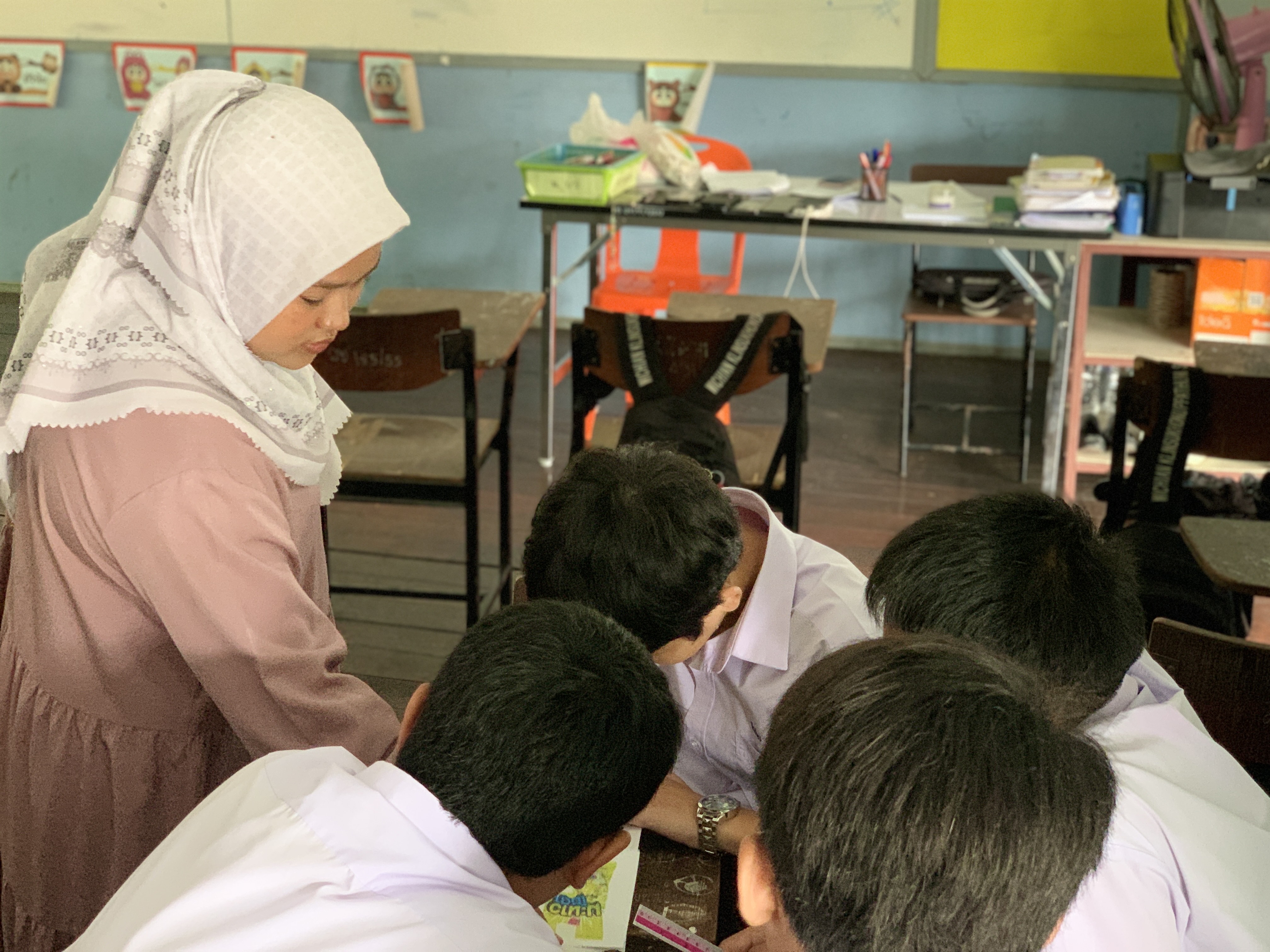
“บางครั้งการที่เด็กแสดงพฤติกรรมบางอย่างออกมา เขาอาจจะมีเหตุผลของตัวเอง หน้าที่ของครู คือ วางอคติลง เชื่อว่าเด็กมีศักยภาพ แค่พวกเขามีวิธีเรียนรู้ต่างกัน เด็กที่มีความบกพร่องทางการเรียนรู้ก็เช่นกัน เขามีศักยภาพเหมือนกัน เพียงแค่เขาเติบโตช้ากว่าเพื่อนเท่านั้นเอง”
มันมีช่วงเวลาที่รู้สึกเหนื่อยและอะไรๆ ไม่เป็นใจ แต่สิ่งที่ครูซัลวาเชื่อมาตลอดในการช่วยเหลือเด็กที่บกพร่องทางการเรียนรู้ คือ ครูไม่ได้ทำงานคนเดียว ทุก ๆ การเปลี่ยนแปลงยังมีเพื่อนครูและผู้ปกครองคอยยืนอยู่เคียงข้าง
และสุดท้ายความสำเร็จของนักเรียน คือ ความสำเร็จของครูด้วยเช่นกัน
ร่วมสนับสนุนการสร้างห้องเรียนที่ตอบโจทย์และเชื่อมั่นในศักยภาพของผู้เรียน และทำให้ห้องเรียนเป็นพื้นที่แห่งการเรียนรู้ได้ผ่านทีช ฟอร์ ไทยแลนด์
อ่านรายละเอียดเพิ่มเติมได้ที่ www.teachforthailand.org
Differences as a Source of Strength That Turn the Classroom into a Space for Growth
“Every child’s behavior has something behind it.”
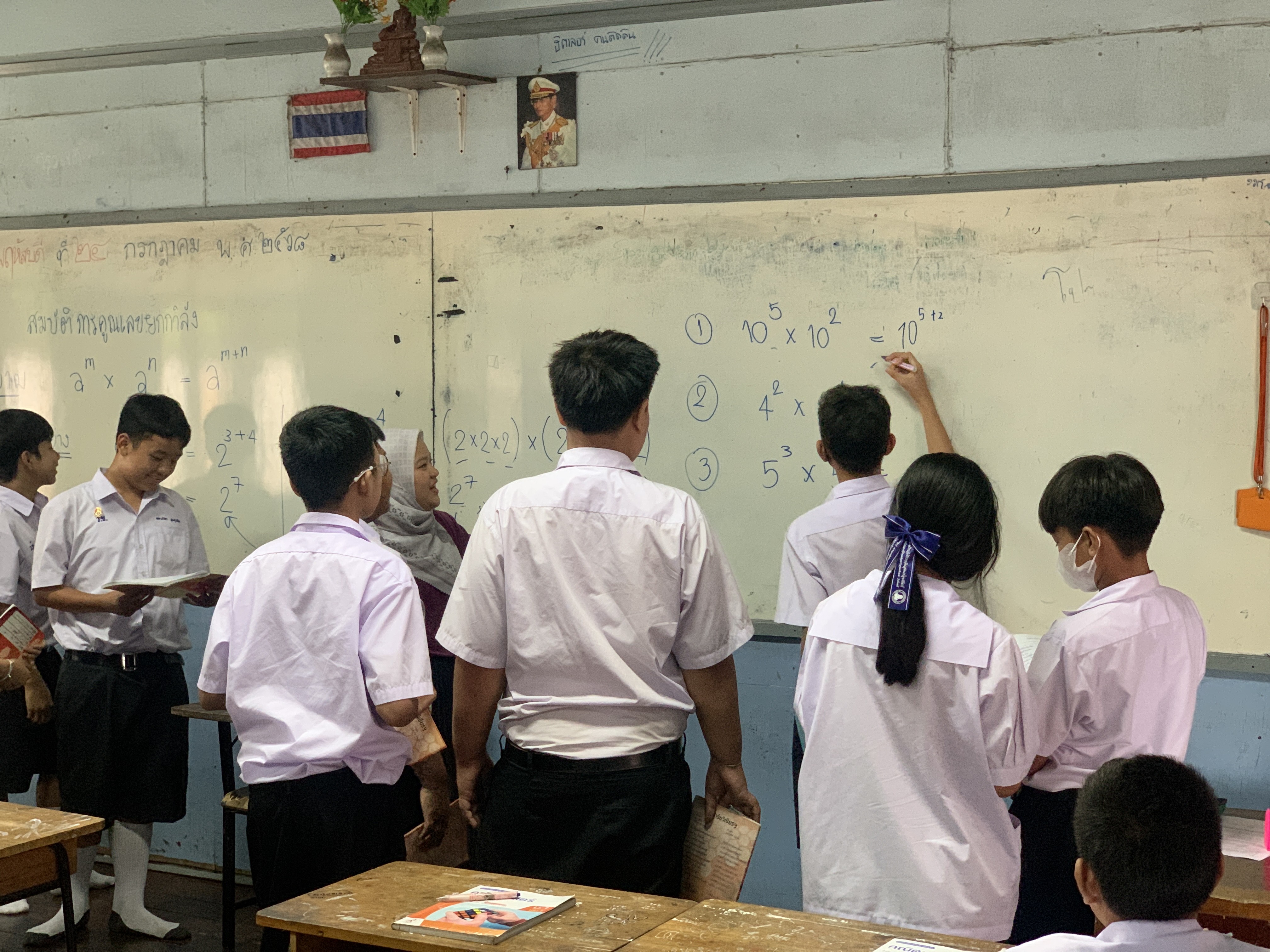
This insight is at the heart of what Salwa Fatimah Jeda, a Teach for Thailand Fellow from Cohort 11, learned during her internship at a child and family care center. She later brought this understanding into her role as a Fellow teacher at Wichien Klin Sukon Upatham School in Ayutthaya Province.
In her classroom were students with learning difficulties—yet no one had recognized it before. Salwa chose to redesign her classroom to be more flexible, to embrace differences, and to ensure that every child could continue learning together.
Understanding Without Judgment
At first, Salwa found herself making assumptions. Students who appeared distracted, disengaged, or who failed to submit assignments were labeled as “unmotivated.” But instead of holding onto these judgments, she chose to open an honest conversation with her students—grounded in the belief that every action has a story behind it.
Through these conversations, she discovered the real reason one student seemed disengaged: he simply could not keep up with the lessons.
“I asked him privately what was going on. He told me that he wanted to learn and wanted to complete his assignments, but he didn’t understand what the teacher was asking him to do. He didn’t understand the lessons, so he didn’t know where to get the knowledge to complete the work.”
After consulting with the student’s parents, Salwa learned that the child had ADHD. A thorough medical assessment later revealed that this Grade 7 student was experiencing learning disorders—with reading, spelling, and mathematical abilities equivalent to those of a 6–7-year-old, despite being in secondary school.
A Classroom Designed for Diversity
Recognizing that the student needed support, Salwa transformed her classroom. Instead of using a single teaching approach for everyone, she redesigned her lessons based on the belief that every child has potential and learns at their own pace.
One of the most visible changes took place in her mathematics classroom. To help the student keep up, Salwa redesigned classroom exercises to offer different levels of difficulty.
Previously, all students received the same worksheet. She adjusted this to three levels of difficulty and allowed students to choose the level that matched their abilities.
“At first, some students questioned why there were different worksheets,” she shared. “So I told them they could choose—one star, two stars, or three stars—depending on how much they wanted to challenge themselves. Once they succeed at one level, we encourage them to try the next.”
Salwa also collaborated with teachers from other subjects to adjust their teaching approaches, while parents actively supported their child’s learning at home.
“After one to two months of adjusting the teaching approach and speaking with other teachers and parents, we noticed clear changes. The student became more confident and began answering questions in class. From someone who once felt invisible, his behavior completely shifted.”
When Student Success Becomes Teacher Success
Redesigning a classroom is never easy. Salwa faced challenges in managing students and rethinking lesson design—but she persisted.
She did so because she firmly believes that every child has potential and the capacity to grow. A teacher’s role, she says, is to let go of bias, refrain from judgment, and meet students where they are.
“Sometimes when children display certain behaviors, there are reasons behind them. A teacher’s role is to set aside bias and believe in a child’s potential. Children simply learn in different ways. Students with learning difficulties are no different—they have the same potential, they just develop at a different pace.”
There were moments of exhaustion and frustration, but Salwa never felt alone. Supporting students with learning difficulties, she emphasized, requires collaboration—fellow teachers and parents stood beside her every step of the way.
In the end, a student’s success is also a teacher’s success.
Support Inclusive Classrooms with Teach for Thailand
Join us in supporting classrooms that respond to learners’ needs, believe in every student’s potential, and create spaces where meaningful learning can truly happen—with Teach for Thailand.
Learn more at www.teachforthailand.org