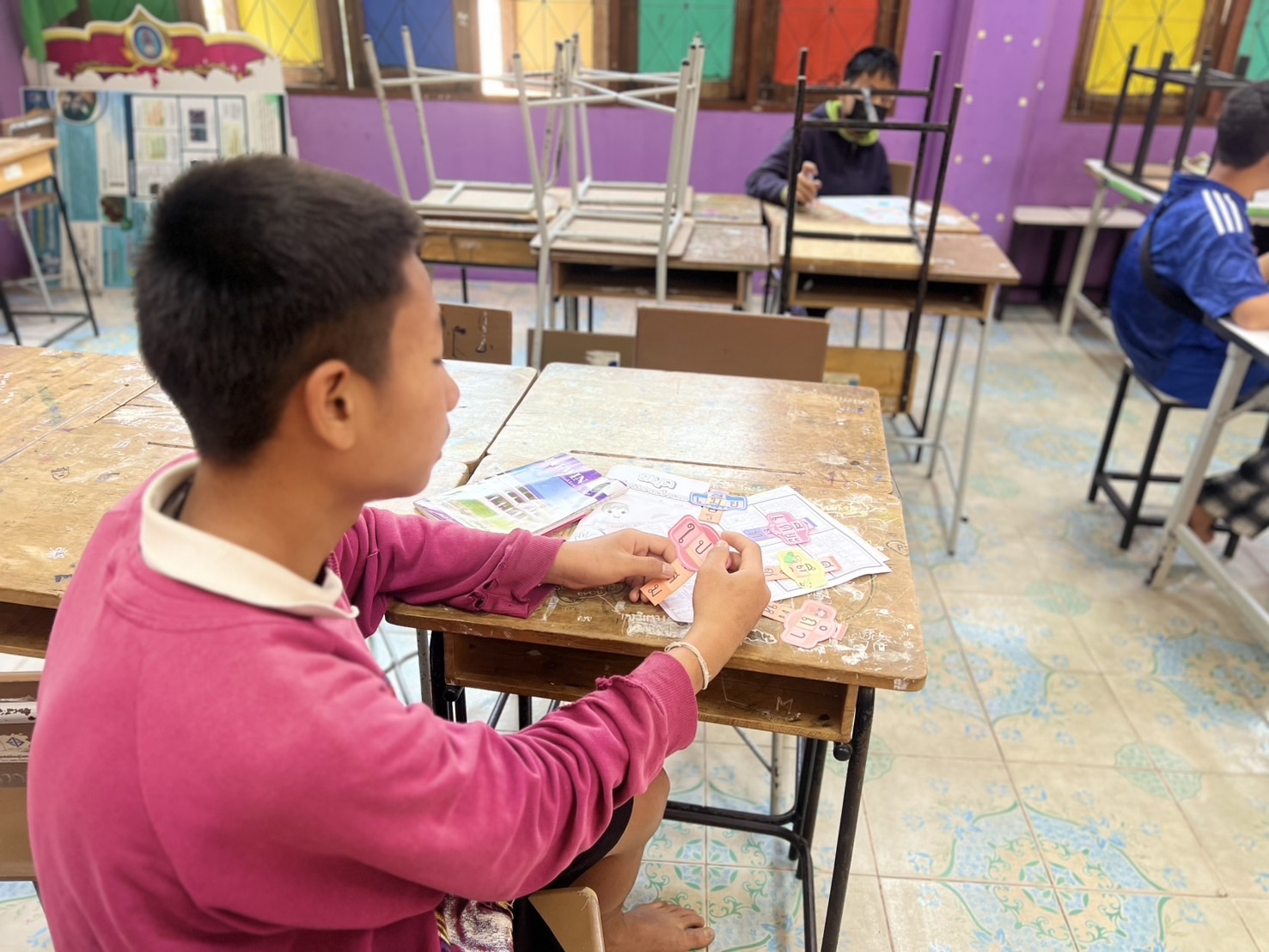
ท่ามกลางความท้าทาย ‘หมิว’ - พิชญ์ชญิศา บุญใส ครูผู้นำการเปลี่ยนแปลง รุ่นที่ 12 และ ‘ปาล์ม’- ปสุตา พันธชาตินิยม ครูผู้นำการเปลี่ยนแปลง รุ่นที่ 11 เลือก ‘ปรับการสอน’ แม้จะต้องใช้เวลามากขึ้น ต้องลองผิดลองถูก กว่าจะค้นพบวิธีที่ทำลายกำแพงภาษาและพื้นฐานความรู้ เพื่อเชื่อมโยงเด็กๆ กับการเรียนรู้อีกครั้ง
เพราะสำหรับพวกเธอ การศึกษาไม่ควรทิ้งเด็กคนไหนไว้ข้างหลัง
นับหนึ่งไปพร้อมนักเรียน
ตลอดหนึ่งเทอมของการเป็นครูผู้นำการเปลี่ยนแปลง ‘หมิว’ เลือกวัดความรู้ของเด็กๆ จากการลงมือทำ และการพูดแทนการกาข้อสอบ
เพราะที่โรงเรียนแม่วินสามัคคี จังหวัดเชียงใหม่ เด็กๆ 90% เป็นเด็กชาติพันธุ์ ‘กะเหรี่ยง’ ใช้ภาษากะเหรี่ยงมากกว่าภาษาไทย มีทักษะการใช้ชีวิตเกินร้อย แต่หลายคนยังขาดพื้นฐานความรู้ตามชั้นเรียนของตัวเอง
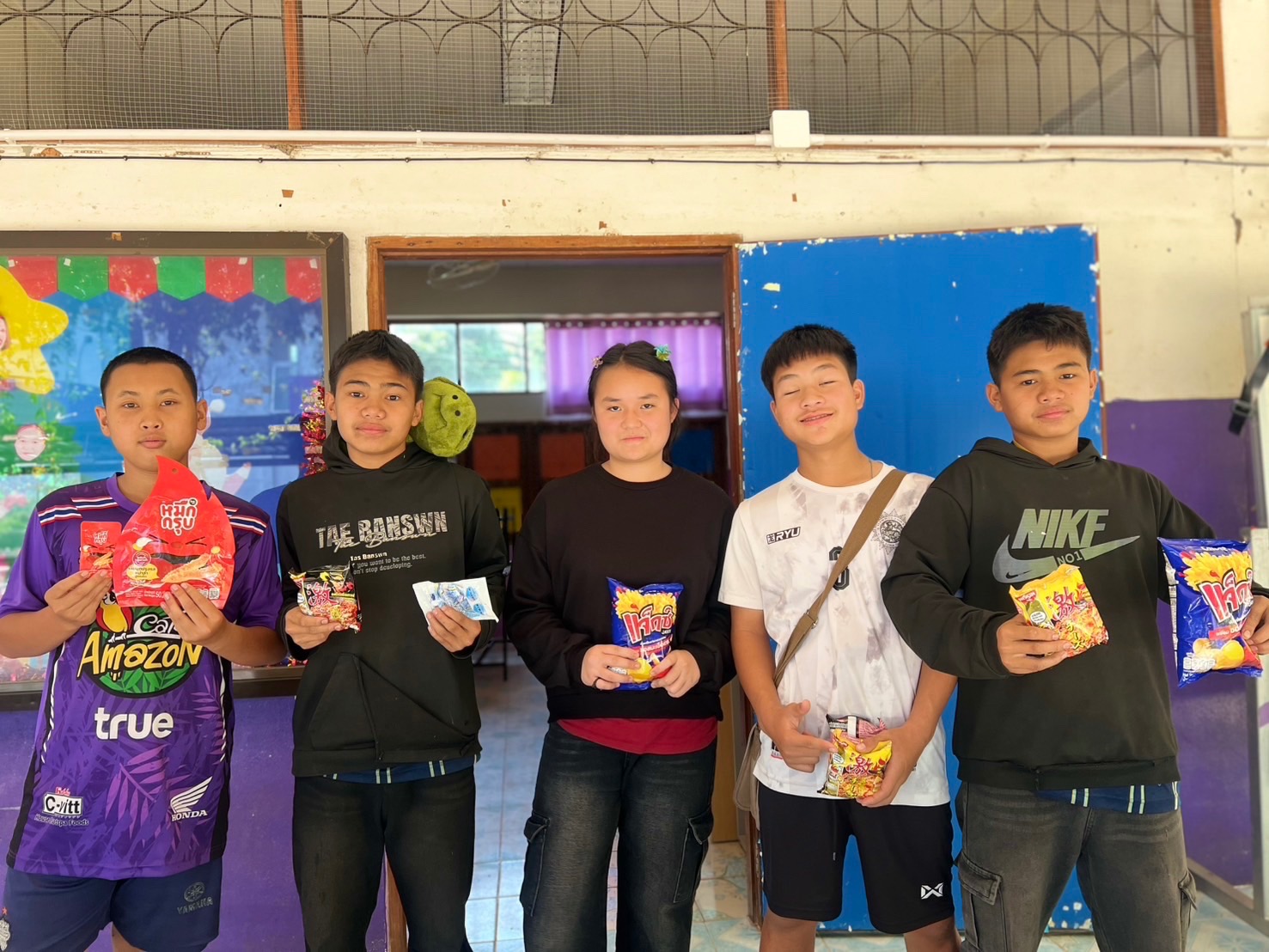
แม้การสอนจะเป็นไปได้ช้าและไม่เป็นไปตามแผนที่วางไว้ แต่หมิวมองว่า เธอต้องปูพื้นฐานวิชาวิทยาศาสตร์ของเด็กๆ ให้แข็งแรง สร้างสื่อการสอนด้วยรูปภาพ และดึงเนื้อหาในห้องเรียนให้ใกล้ตัวนักเรียนมากที่สุด
“เรานับหนึ่งให้เขาใหม่เลย ไม่อยากปล่อยเหมือนที่ผ่านมา อยากให้เขาได้พื้นฐาน แต่สำหรับเด็กที่อ่านไม่ออก เขียนไม่ได้ เราจะสร้างสื่อที่เป็นรูปภาพ แล้วพยายามนำสิ่งที่อยู่ในชีวิตประจำวันมาเชื่อมให้นักเรียนเข้าใจมากที่สุด"
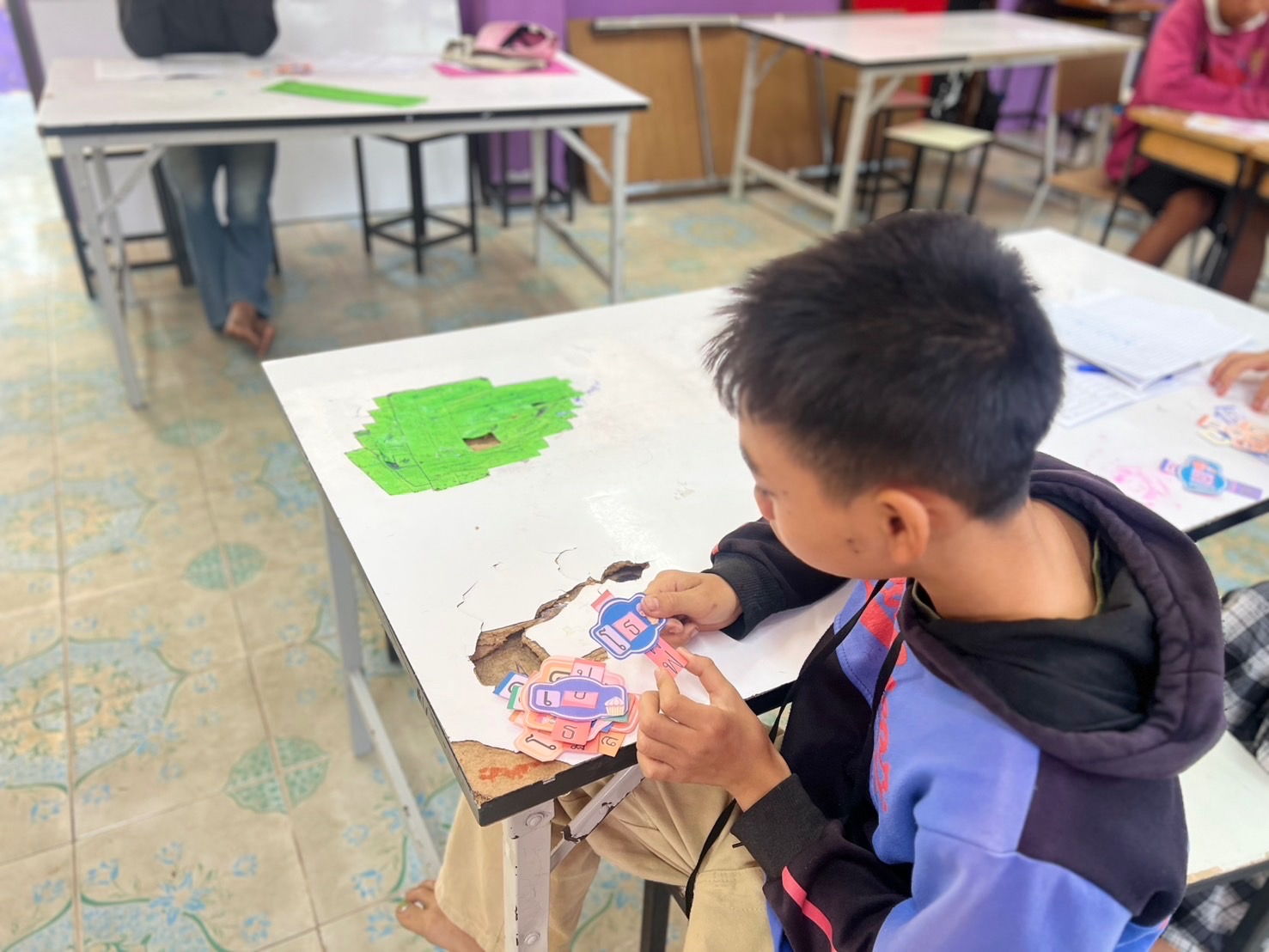
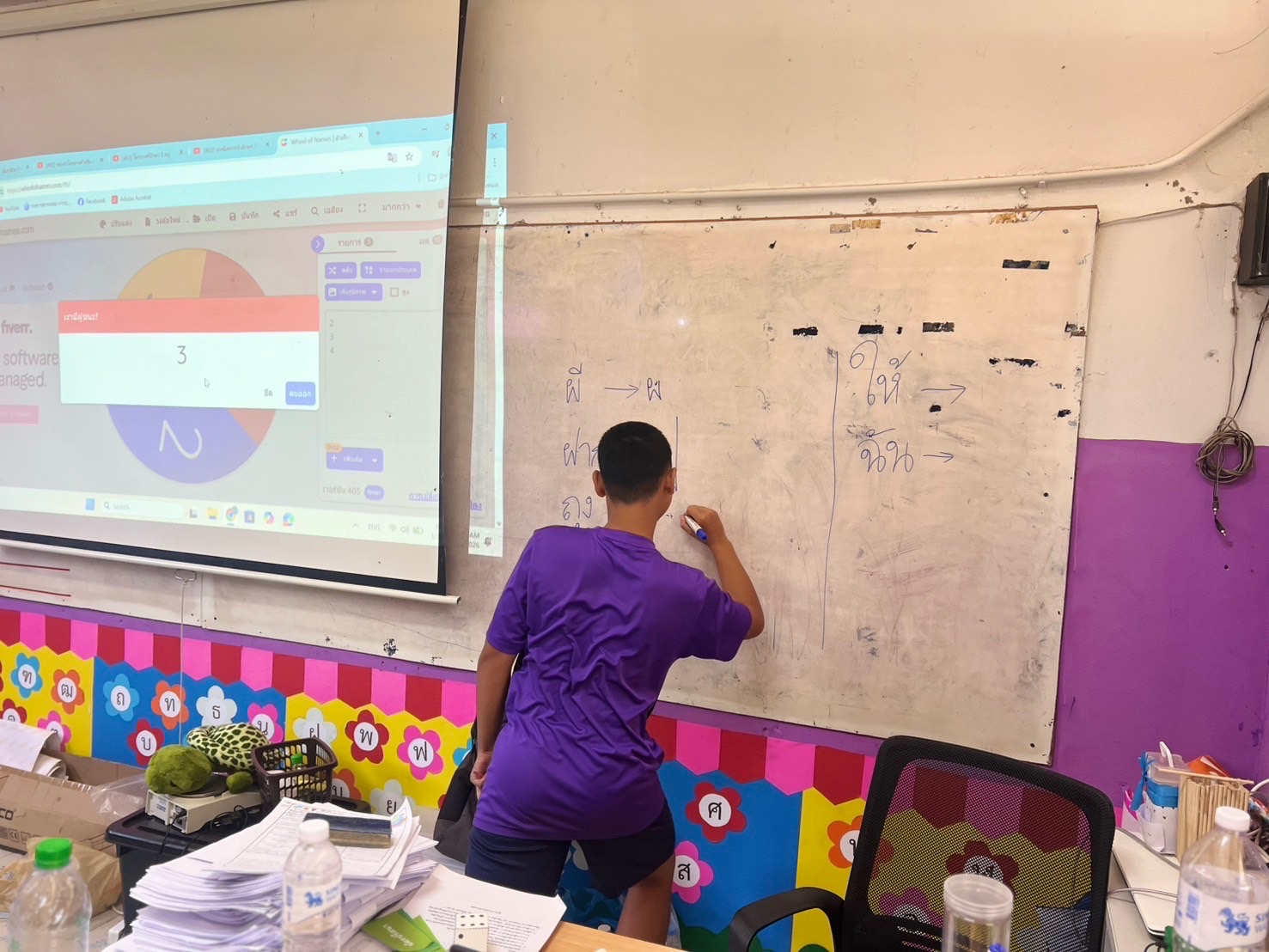
อีกทั้งปัญหาการอ่านออกเขียนได้ ยังเป็นปัจจัยสำคัญที่ทำให้เด็กบางคนค่อยๆ หลุดออกจากการเรียนรู้โดยไม่รู้ตัว โรงเรียนจึงพยายามดึงพวกเขากลับมา ผ่านการจัด ‘คลินิกภาษา’ สอนภาษาไทยสัปดาห์ละ 1 ครั้ง เพื่อให้เด็กๆ ค่อยๆ เข้าใจบทเรียน และกลับมาเชื่อมต่อกับห้องเรียนได้อีกครั้ง
แต่ด้วยภาระงานของครู ทำให้การจัด ‘คลินิกภาษา’ ขาดความต่อเนื่อง เด็กหลายคนจึงไม่เข้าใจบทเรียนที่ส่วนใหญ่เป็นภาษาไทย และในบทบาทของครู หมิวเลยเลือกที่จะอ่านข้อสอบให้เด็กกลุ่มนี้ฟังในการสอบปลายภาค
“ตอนคุมสอบครั้งแรก เด็กเดินมาบอกว่า ผมไม่อยากกามั่ว ไม่ต้องบอกคำตอบ แค่อ่าน เป็นสื่อกลางให้ผมหน่อยได้ไหม ด้วยพื้นฐานเขาน้อย ดูจากคะแนน ถ้าไม่ช่วย จะส่งผลต่อเขา ตอนนั้นเลยคิดว่าเราจะช่วยเด็กเท่าที่ทำได้ ก็เลยเลือกที่จะอ่านโจทย์ให้เขาฟัง แล้วให้กาคำตอบเอง”
แม้ช่วงแรกคุณครูบางกลุ่มจะไม่เห็นด้วย เพราะมองว่า ถ้าครูอ่านข้อสอบให้เด็กฟัง ครูจะต้องอ่านไปตลอด แต่สำหรับหมิว เธอเชื่อว่า การอ่านข้อสอบจะทำให้สามารถวัดผลความรู้ของนักเรียนได้ ถึงเขาจะอ่านไม่ออกก็ตาม
“ตอนแรกครูวิชาการไม่เห็นด้วย แต่เราก็คุยด้วยเหตุผลว่า ทางโรงเรียนไม่ได้ให้นักเรียนซ้ำชั้น ติด ร หรือติดศูนย์ตามนโยบาย แล้วจะช่วยเด็กได้อย่างไร เพราะการอ่านข้อสอบสามารถช่วยเด็กได้”
ผลลัพธ์คือเด็กบางคนผลการเรียนดีขึ้น จากที่เคยได้เพียง 2-3 คะแนนเต็ม 20 คะแนน แต่หลังจากอ่านข้อสอบ นักเรียนกลับมีคะแนน 16-17 คะแนน อีกทั้งโรงเรียนก็เริ่มมองเห็นปัญหานี้จึงจัดคอร์สสอนภาษาไทยระยะสั้น 2 สัปดาห์ ในช่วงปิดเทอมเพื่อคืนเด็กกลับสู่ห้องเรียนในปีการศึกษาต่อไปให้ได้
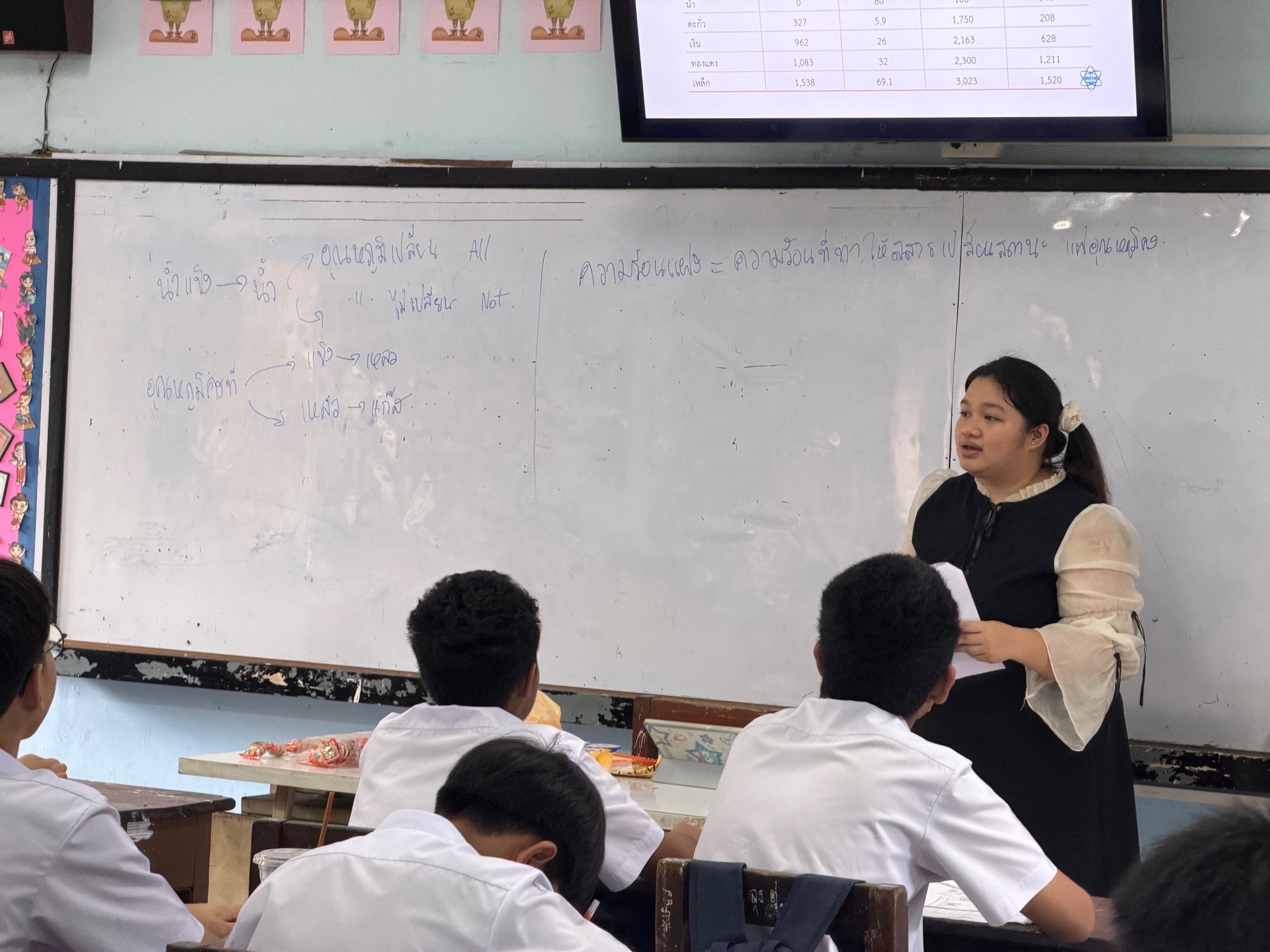
ระหว่างการทำงาน มีช่วงเวลาที่หมิวท้อ เพราะต้องเผชิญแรงกดดันหลายทิศทาง แต่หมิวบอกว่า เธอยังคงยืนหยัดเพื่อสร้างการเปลี่ยนแปลงให้ทั้งเด็กและโรงเรียน
“บางคนบอกว่าก็ช่างไปสิ เด็กไม่คิดจะพัฒนาตัวเอง แต่ความจริงเราช่วยเด็กได้ เขามีสิทธิที่จะเรียนรู้และทำให้สำเร็จ”
เพราะการศึกษาไม่ใช่แค่การสอนให้สอบผ่าน แต่คือการทำให้เด็กเชื่อว่าเขา ‘เรียนรู้’ ได้ เพียงแค่มีครูและคนที่เข้าใจเขาอยู่ข้างๆ
ภาษาไม่ใช่ข้อจำกัดการเรียนรู้
“ข้อสอบแบบเดียวไม่สามารถวัดความรู้เด็กทุกคนได้”
นี่คือสิ่งที่ ‘ปาล์ม’ ได้รับจากการเป็นครูผู้นำการเปลี่ยนแปลงในวิชาวิทยาศาสตร์ ที่โรงเรียนมัธยมป่ากลาง จังหวัดน่าน โรงเรียนที่ตั้งอยู่ตีนดอย นักเรียนส่วนใหญ่เป็นกลุ่มชาติพันธุ์ ‘ม้ง’ อยู่กับคุณตาคุณยาย ทำให้พวกเขามีภาษาตามชาติพันธุ์เป็นภาษาแรก และมีภาษาไทยเป็นภาษาที่สอง
“เด็กๆ ส่วนใหญ่จะอยู่กับผู้สูงอายุที่ทำเกษตรกรรม ทำไร่ข้าวโพด สวนยางพารา รับทำชุดม้ง และมีบางส่วนที่พ่อกับแม่ไปทำงานต่างที่ ต้องอยู่กับผู้ใหญ่ข้างบ้าน ซึ่งผู้ใหญ่ก็จะสื่อสารภาษาถิ่นของเขา เราเลยเห็นว่าบริบทเหล่านี้ทำให้เด็กอ่านไม่ออกเขียนภาษาไทยไม่ได้ ซึ่งทำให้พวกเขาเรียนรู้ช้ากว่าเพื่อน”
แม้ช่วงแรกจะปรับตัวยาก แต่ปาล์มก็เริ่มเข้าใจว่า หน้าที่ของครูไม่ใช่แค่สอนให้บรรลุตัวชี้วัด แต่ต้องทำให้บทเรียนเป็นส่วนหนึ่งของชีวิตและจับต้องได้
“ใช้เวลาเกือบเทอมเลยกว่าจะเข้าใจว่า เราต้องทำอะไรกันแน่ เราไม่ได้มีหน้าที่แค่สอนให้บรรลุตัวชี้วัดอย่างเดียว มันผ่านการลองผิดลองถูกมาเยอะมาก แต่หลังๆ รู้สึกว่าเด็กสนุกไปกับเรา ทำให้บทเรียนเป็นส่วนหนึ่งของชีวิต และไม่ไกลตัวเขาเกินไป”
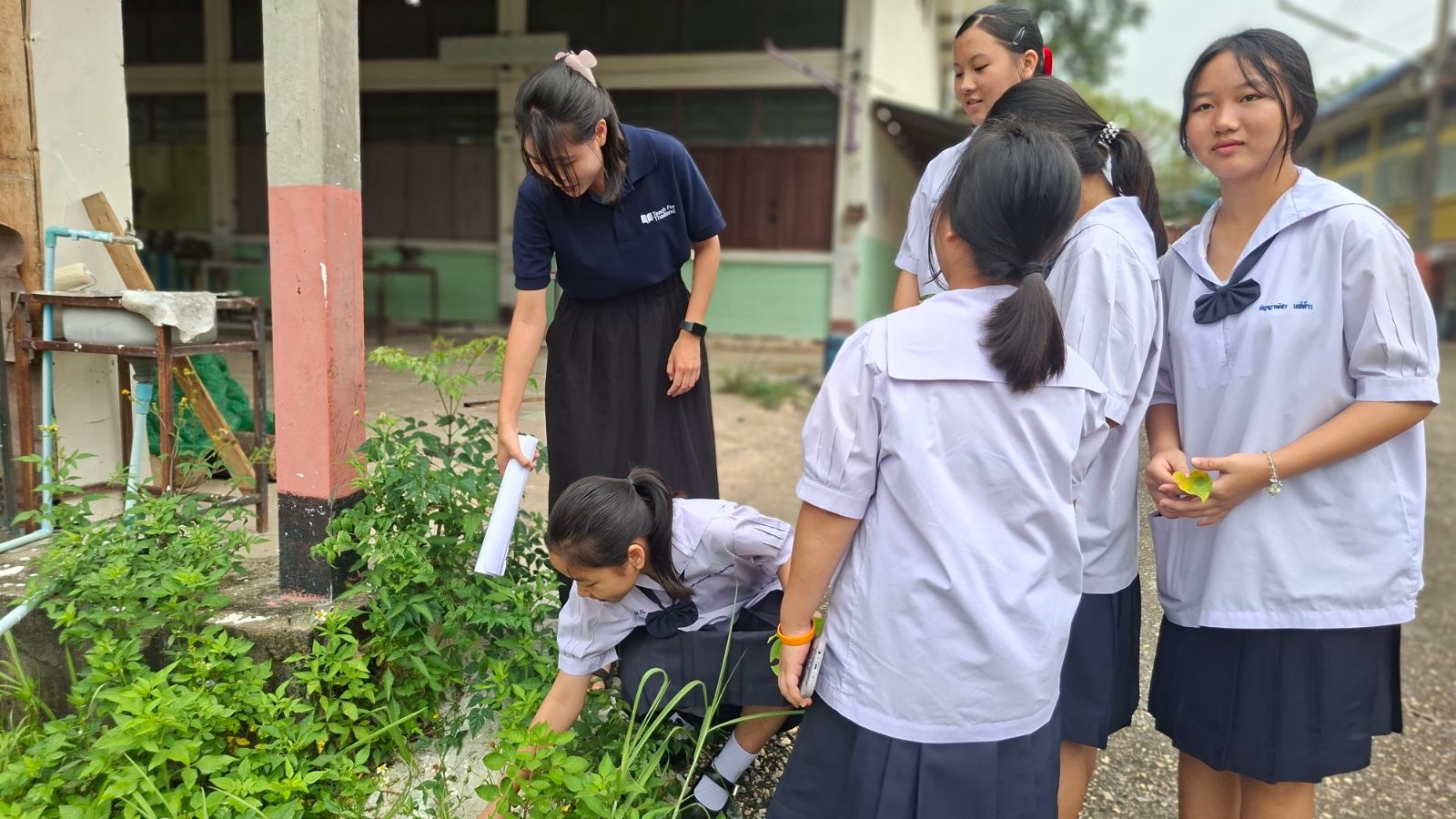
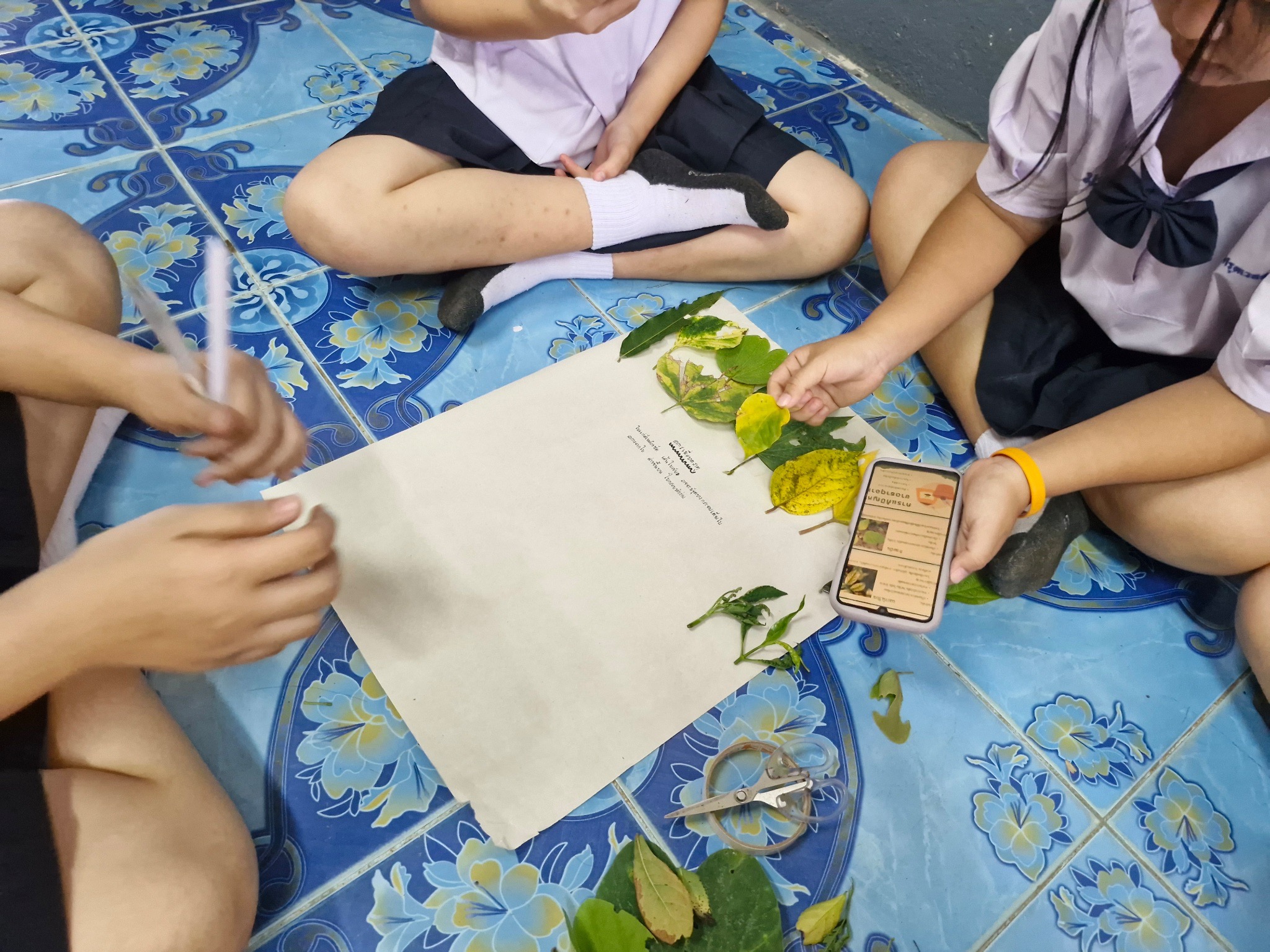
ที่สำคัญ เธอต้องทำให้เด็กๆ มองว่า ข้อจำกัดทางภาษาไม่ใช่อุปสรรคในการเรียนรู้ ปาล์มจึงเลือกที่จะออกแบบข้อสอบด้วยภาษาที่เข้าใจง่ายขึ้น หรือตั้งโจทย์ด้วยรูปภาพแทนตัวอักษร และเปลี่ยนวิธีการวัดผลเป็นการสอบปากเปล่าแทน
“เราเปิดโอกาสให้เขาสำรวจตัวเอง มองความสามารถของตัวเอง ถ้าใครเห็นข้อสอบแล้วรู้สึกว่า อ่านโจทย์ไม่ได้ เขียนอธิบายไม่ได้ เรามีทางเลือกให้เขาออกมาสอบปากเปล่าแทน ถ้าเขียนไม่ได้ แต่ถ้าพูดคำตอบออกมาได้ ครูก็ให้คะแนน”
ผลลัพธ์ที่ชัดเจน คือ เด็กติดศูนย์น้อยลง นักเรียนมีความมั่นใจและมีส่วนร่วมในห้องเรียนมากขึ้น
“เด็กสนใจเรียนมากขึ้น เพราะเขารู้สึกเป็นส่วนหนึ่งของเรื่องราวที่เรียน เริ่มมีปฏิสัมพันธ์กับเรามากขึ้น บางคนที่เคยนั่งหลังห้องก็ย้ายมาเรียนหน้าห้อง”
“เราสร้างความมั่นใจให้นักเรียนว่า เขาตอบได้ เขาก็ได้คะแนนเหมือนเพื่อน มันเหนื่อยนะ แต่ความสุขของเราคือการเห็นนักเรียนไม่ด้อยค่าตนเองเมื่อทำข้อสอบไม่ได้ แต่กล้าขอความช่วยเหลือ ก้าวข้ามความอาย เพื่อสร้างทางเลือกในการพัฒนาตนเอง แล้วพบว่าตัวเขาเองก็สามารถที่จะเรียนรู้ไปพร้อมกับเพื่อนได้เหมือนกัน”
เพราะเรื่องภาษาอาจเป็นเรื่องเล็กๆ แต่ส่งผลกระทบต่อการเรียนรู้ของเด็กในระยะยาว สำหรับหมิวและปาล์ม นี่ไม่ใช่ข้อจำกัด แต่เป็นโจทย์ของครูที่ต้องพลิกปัญหาเหล่านี้เป็นโอกาสในการออกแบบห้องเรียนที่ตอบโจทย์ความแตกต่างของเด็กแต่ละคน
ร่วมเป็นส่วนหนึ่งของการเปลี่ยนห้องเรียน ทลายข้อจำกัด และสร้างโอกาสใหม่ให้เด็กไทยไปกับโครงการครูผู้นำการเปลี่ยนแปลงของทีช ฟอร์ ไทยแลนด์ได้ ที่นี่ https://www.teachforthailand.org/about/join-program
Breaking Language Barriers: Turning Classrooms into Spaces for Everyone
In classrooms where Thai is a second language, a teacher’s role goes beyond delivering lessons from textbooks. The real challenge is how to help students feel confident and willing to learn.
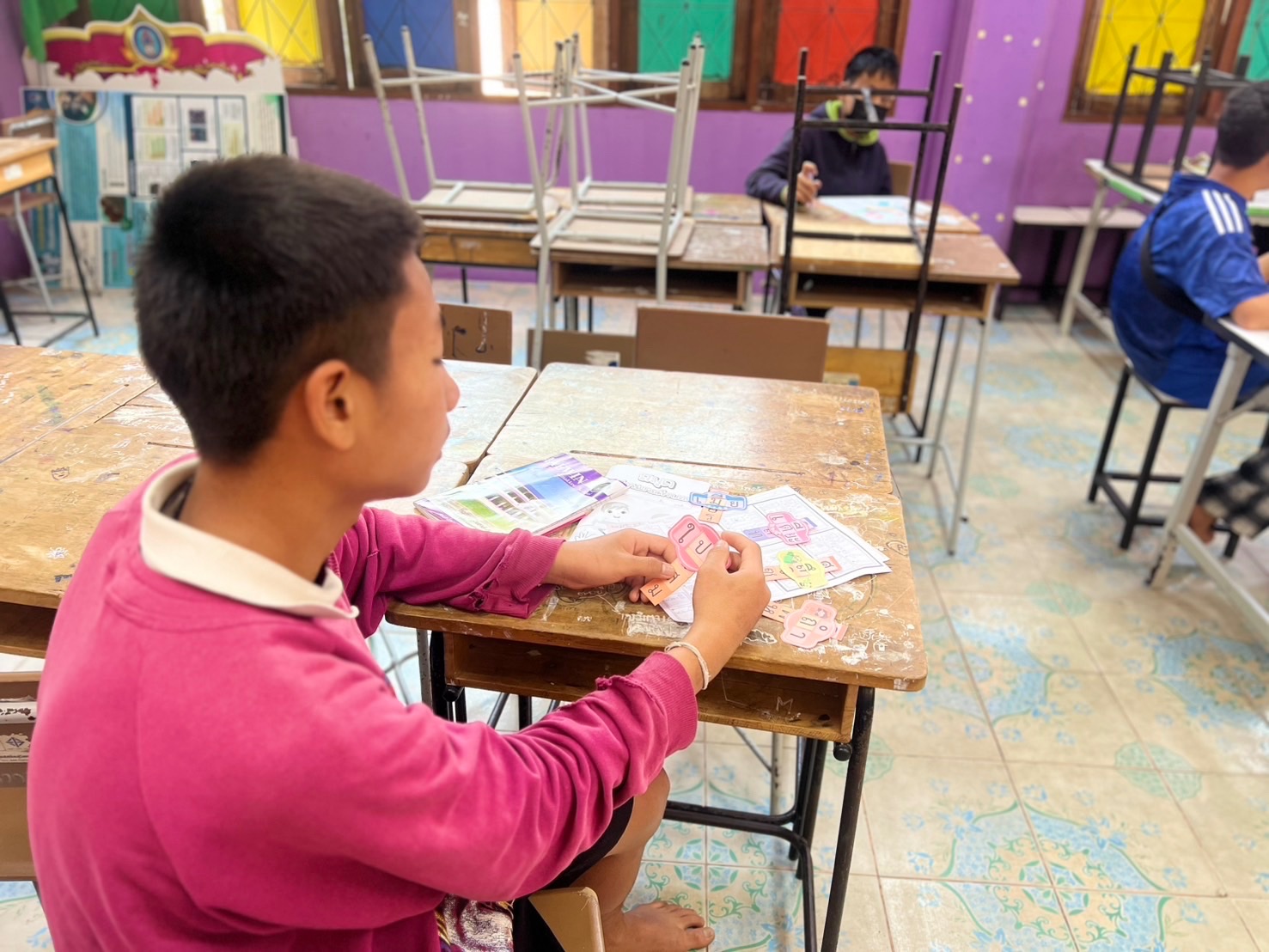
Amid these challenges, Mew - Pichayachisa Boonsai, a Fellow from Cohort 12, and Palm - Pasuta Phanthachatinniyom, a Fellow from Cohort 11, chose to adapt their teaching methods. Even though it required more time, trial, and error, they persisted in finding ways to break down language barriers and gaps in foundational knowledge—reconnecting students with learning.
Because for them, education should never leave any child behind.
Starting from the Beginning, Together
During one semester as a Fellow, Mew chose to assess her students through hands-on activities and speaking instead of written tests.
At Mae Win Samakkhi School in Chiang Mai, 90% of students are ethnic Karen. They use the Karen language more than Thai, possess strong life skills, but often lack foundational academic knowledge for their grade level.
Although teaching progressed slowly and didn’t follow the original plan, Mew believed in strengthening their science foundations. She created visual learning materials and connected lessons to students’ daily lives.
“I started from zero with them. I didn’t want to let things continue as they were. I wanted them to have a strong foundation. For students who can’t read or write, I use visual materials and connect lessons to their everyday lives so they can understand better.”
Literacy challenges also caused some students to gradually disengage from learning. To address this, the school introduced a weekly “language clinic” to teach Thai and help students reconnect with classroom learning.
However, due to teachers’ workload, the program lacked continuity. As a result, many students still struggled to understand lessons conducted in Thai. To support them, Mew decided to read exam questions aloud during final exams.
“During my first exam supervision, a student came up to me and said, ‘I don’t want to guess. You don’t have to tell me the answer—just read the questions for me.’ That made me realize that helping them this way would allow us to truly assess their knowledge.”
Some teachers initially disagreed, worrying that this would create long-term dependency. But Mew believed that reading questions aloud allowed for fair assessment—even for students who couldn’t read.
The results were striking. Students who previously scored only 2–3 out of 20 improved to 16–17. The school recognized the issue and later introduced a two-week Thai language course during the break to better prepare students for the next academic year.
Despite moments of discouragement and pressure, Mew remained committed:
“Some people say, ‘Just leave them—they don’t want to improve.’ But that’s not true. We can help them. They deserve the chance to learn and succeed.”
Because education is not just about passing exams—it’s about helping students believe they can learn, especially when they have someone who understands and supports them.
Language Is Not a Barrier to Learning
“One type of exam cannot measure every student’s knowledge.”
This is what Palm learned while teaching science at Pa Klang Secondary School in Nan, a rural school where most students are from the Hmong ethnic group. Many live with grandparents and use their ethnic language as their first language, with Thai as their second.
“Most students live with elderly family members who work in agriculture. They communicate in their local language, which makes it harder for students to read and write Thai. This slows down their learning compared to others.”
At first, adapting was difficult. But Palm realized that teaching is not just about meeting curriculum indicators—it’s about making learning meaningful and relevant.
“It took almost a full semester to understand what we really needed to do. We had to make lessons part of their lives, something they could relate to.”
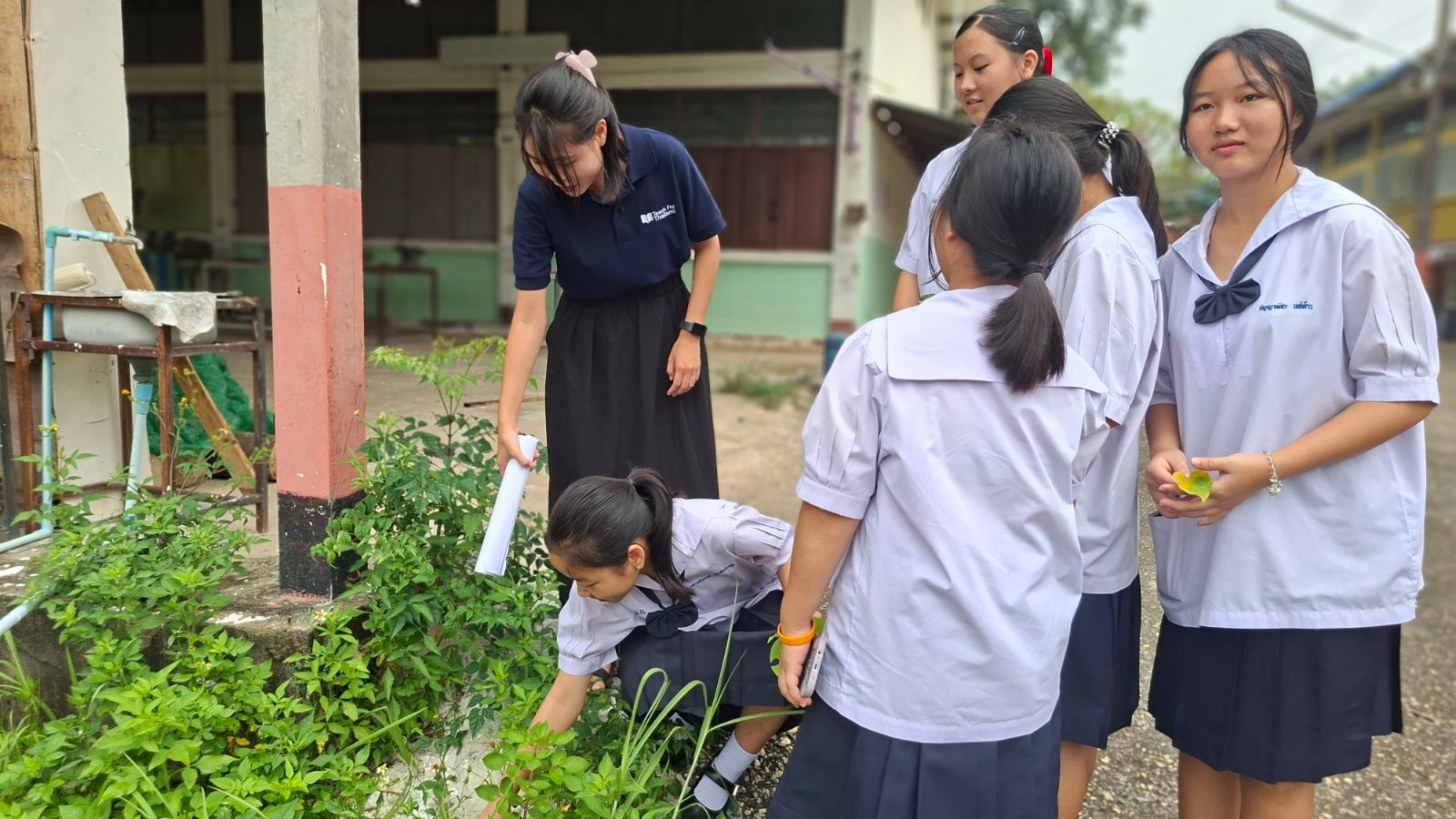
To ensure language was not a barrier, Palm redesigned her assessments—using simpler language, incorporating images, and offering oral exams as an alternative.
“I give students options. If they can’t read or write the answers, they can take an oral exam. If they can explain their answer verbally, they still earn the same score.”
The results were clear: fewer failing grades, increased confidence, and more classroom participation.
“Students became more engaged because they felt included. Some who used to sit at the back moved to the front.”
“It’s exhausting, but the joy comes from seeing students stop doubting themselves. They ask for help, overcome their fear, and realize they are capable of learning alongside their peers.”
Language may seem like a small issue, but it has long-term effects on learning. For Mew and Palm, it’s not a limitation—it’s a challenge that pushes teachers to design classrooms that embrace diversity and meet the needs of every student.
Be part of transforming classrooms, breaking barriers, and creating new opportunities for Thai students with Teach for Thailand:
https://www.teachforthailand.org/about/join-program