“คำว่านวัตกรรมไม่ได้มีแค่เทคโนโลยีหรือเป็นสิ่งที่ล้ำสมัย แต่เป็นการที่เรานำสิ่งที่มีอยู่แล้วมาทำให้มันมีค่ายิ่งขึ้น”
นิยามคำว่า ‘นวัตกรรม’ ของครูเบญ ธัญรดา ยาวิชัย ครูผู้นำการเปลี่ยนแปลงรุ่นที่ 10 อดีตคุณครูโรงเรียนเวียงเชียงรุ้งวิทยาคมที่เธอเป็นผู้จุดประกายนวัตกรรมข้าวโพดขึ้นมาในโรงเรียน ร่วมกับ ‘แจน’ ณัฐนันท์ ใจสม ครูผู้นำการเปลี่ยนแปลงรุ่นที่ 11
ในพื้นที่อำเภอเวียงเชียงรุ้ง จังหวัดเชียงราย ที่ข้าวโพดเป็นพืชเศรษฐกิจหลักของชุมชน คุณครูทั้งสองคนไม่ได้มองข้าวโพดเป็นเพียงผลผลิตทางการเกษตร แต่มองเป็น “ต้นทุนการเรียนรู้” ที่เด็กๆ สามารถนำมาคิดต่อยอด และสร้างมูลค่าผ่านการลงมือทำจริง
จากฝักข้าวโพดธรรมดาในพื้นที่หลังโรงเรียน จึงค่อยๆ กลายเป็นห้องเรียนชีวิต ที่เชื่อมโยงการเรียนรู้ ทักษะอาชีพ และความภาคภูมิใจในบ้านเกิดเข้าด้วยกัน
นวัตกรรมจากสิ่งเล็กๆ รอบตัว
เพราะพื้นที่รอบๆ โรงเรียน ชาวบ้านในชุมชนมีอาชีพหลัก คือ การปลูกข้าวโพด และเด็กๆ โรงเรียนเวียงเชียงรุ้งก็เป็นลูกหลานของเกษตรกรคนปลูกข้าวโพด
แทนที่จะขายข้าวโพดเป็นฝักที่ได้ราคาถูก ครูเบญกับครูแจนเลยชวนเด็กๆ มาเปิดพื้นที่ให้นักเรียนคิดต่อยอดจากฝักข้าวโพดเป็นผลิตภัณฑ์ต่างๆ เพื่อเพิ่มมูลค่าให้กับพืชเศรษฐกิจของชุมชน
คุณครูทั้งสองคนเลยไปชวนผู้เชี่ยวชาญในชุมชนมาสอนเด็กๆ โดยใช้พื้นที่ในโรงเรียนปลูกข้าวโพด ลองผิดลองถูก ดูแลอย่างใกล้ชิด และเติบโตไปพร้อมกัน
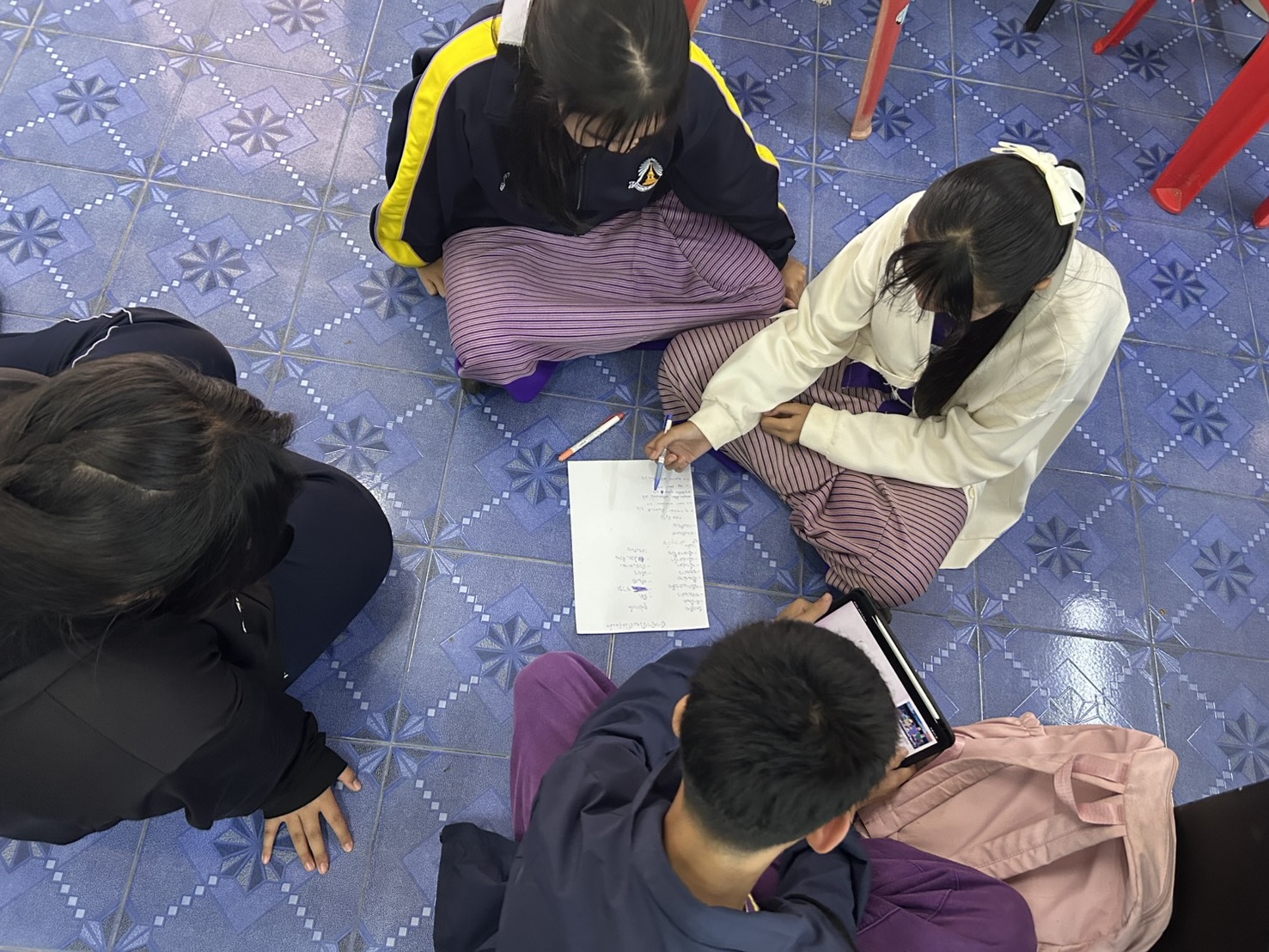
“เด็กดูสนุก เด็กบางคน ถึงบ้านเขาจะปลูกข้าวโพด แต่เขาปลูกไม่เป็นด้วยซ้ำ เขาไม่รู้ว่าข้าวโพดจะโตเมื่อไหร่ ข้าวโพดมันจะออกดอก หรือออกผลเมื่อไหร่ นักเรียนก็ดูชอบ แล้วก็ดูแลข้าวโพดของเขาเป็นอย่างดี ” ครูเบญเล่า
ครูแจนเล่าเสริมว่า จริง ๆ แล้ว หัวใจหลักของโครงการ คือ การให้เด็กมีทักษะอาชีพที่จะสามารถทำให้พวกเขาเลี้ยงดูตัวเองและครอบครัวได้ในอนาคต
“หัวใจหลักคืออยากให้เขาได้ทักษะอาชีพ สมมติว่าเขาอยากจะสร้างอาชีพ เขาควรเริ่มต้นจากสิ่งที่เขามีอยู่รอบตัวเขาอยู่แล้ว”
ถึงจะดูธรรมดา แต่ท้ายที่สุด ห้องเรียนจากเมล็ดข้าวโพดก็เริ่มต้นขึ้น ห้องเรียนที่ที่เด็ก ๆ ได้เรียนรู้จากการลงมือทำจริง และค่อย ๆ เติบโตไปพร้อมกับกระบวนการเรียนรู้ที่เขาเลือกเอง
เมล็ดข้าวโพดที่เปิดพื้นที่แห่งการเรียนรู้
ข้าวโพด 1 ฝักใช้เวลาปลูกประมาณ 3-4 เดือน สำหรับเด็กคนหนึ่งมันไม่ใช่เรื่องง่าย เพราะพวกเขาต้องมีวินัย รับผิดชอบ และพยายามรักษาข้าวโพดที่เขาปลูกด้วยใจ
“เหมือนเขารู้ว่าข้าวโพดเป็นของเขา เขาต้องรักษา ต้องดูแล” ครูแจนเล่าบรรยากาศตอนที่เห็นเด็กๆ ดูแลต้นข้าวโพดของตัวเอง
ส่วนครูเบญบอกว่า ครูไม่ได้สอนมาก แต่ปล่อยให้เด็กเรียนรู้และลองผิดลองถูกด้วยตัวเอง และเห็นความพยายามและความอดทนของนักเรียนผ่านการปลูกข้าวโพด
“นักเรียนอดทนไปรดน้ำ ใส่ปุ๋ย ถอนหญ้า ตั้งตารอข้าวโพดว่ามันจะมีเม็ดข้างในไหม หรือว่ามันจะตาย ช่วงฝนตกน้ำจะท่วม เขาก็ต้องไปดูแล ไปทำอย่างไรก็ได้ให้ผลผลิตของเขางอกงาม แต่สุดท้ายแล้วเขาก็ได้เห็นฝักข้าวโพดของเขา”
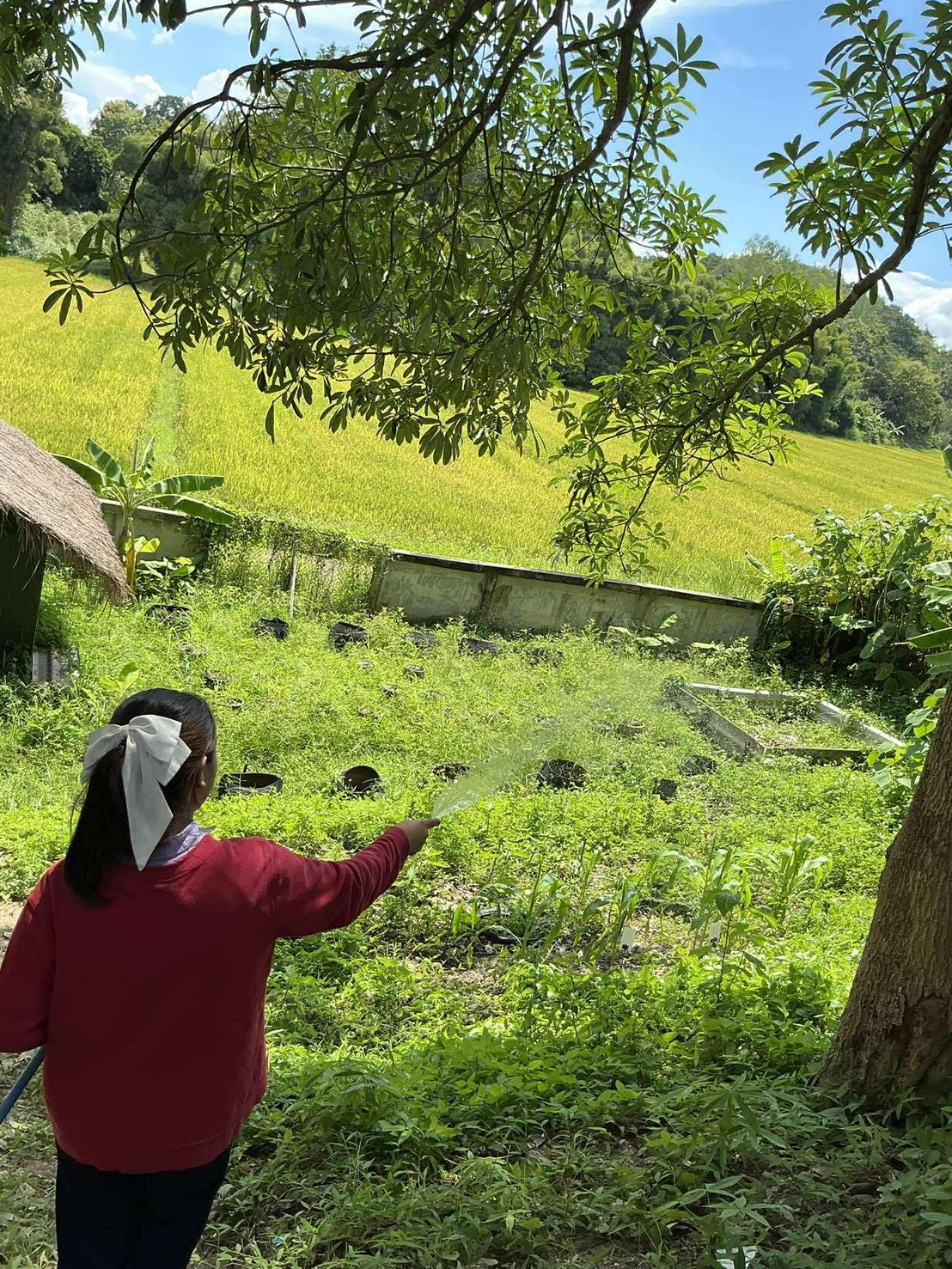
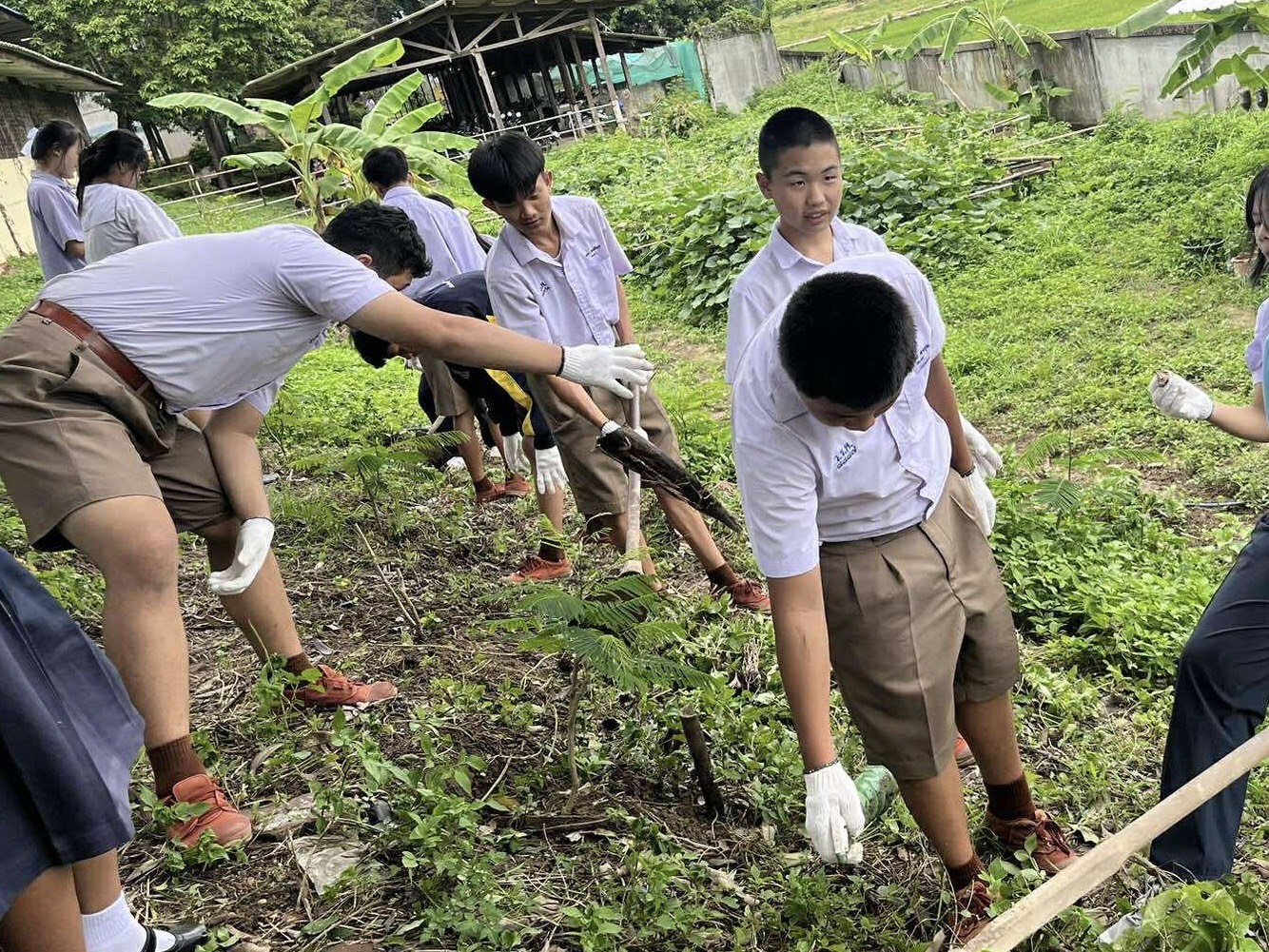
ด้วยแรงสนับสนุนของครู องค์ความรู้ของชุมชน และความตั้งใจไปจนถึงความคิดสร้างสรรค์ของนักเรียน ทำให้วันนี้ ข้าวโพดจากอำเภอเวียงเชียงรุ้งไม่ได้มีเพียงแค่ฝักข้าวโพด แต่มีข้าวเกรียบข้าวโพดหรือข้าวโพดคลุกเนยเป็นผลิตภัณฑ์เพิ่มเติม
“เราเปิดโอกาสให้นักเรียนคิดและออกแบบเอง แต่เขาก็คอยมาปรึกษาอยู่ว่าแบบนี้ได้ไหม เราก็มีคำแนะนำกับงบประมาณให้ เด็กบางคนก็มีเอามาแปรรูปบ้าง ทำเป็นทั้งของคาวและของหวาน” ครูแจนบอก
และในงานเปิดบ้านวิชาการเดือนมกราคม 2569 ก็จะเป็นครั้งแรกที่ถึงจะยังไม่ได้วางขาย แต่ก็เป็นจุดเริ่มต้นที่ชุมชนเริ่มเห็นว่า ข้าวโพดมีประโยชน์และมีมูลค่ามากกว่าที่คิด
ถึงจะเป็นเรื่องธรรมดา แต่ครูเบญบอกว่า นวัตกรรมเล็ก ๆ นี้กลับจุดประกายให้เด็กคนหนึ่งเริ่มมาสนใจสิ่งรอบตัวและเริ่มคิดต่อยอด พัฒนาสิ่งรอบตัวให้กลายเป็นสินค้าที่ตอบโจทย์ตลาด
“เด็กหลายคนเข้ามาถามว่า ปีหน้าจะปลูกอะไร ปลูกข้าวโพดอีกไหม แล้วนักเรียนที่ไม่ได้อยู่ในโครงการฯ ก็เริ่มมาถามว่า ครูทำอะไร ปลูกอะไร แล้วเอาไปทำอะไรต่อ เหมือนนักเรียนกลุ่มนั้นก็กลับมาสนใจสิ่งที่อยู่รอบตัวเขาด้วยเหมือนกัน”
โครงการเล็ก ๆ จากข้าวโพดในโรงเรียนเวียงเชียงรุ้ง อาจไม่ใช่คำตอบทั้งหมดของการพัฒนาการศึกษาไทย เพราะการศึกษาเป็นเรื่องของคนทุกคนเพื่อให้ศักยภาพของเยาวชนเติบโตไปพร้อมกับท้องถิ่นได้อย่างยั่งยืน
อ่านรายละเอียดเพิ่มเติมได้ที่ https://www.teachforthailand.org/give/corporate
A Small Corn Seed Classroom That Nurtures Learning to Grow
“Innovation doesn’t have to be about technology or something cutting-edge. It’s about taking what already exists and making it more valuable.”
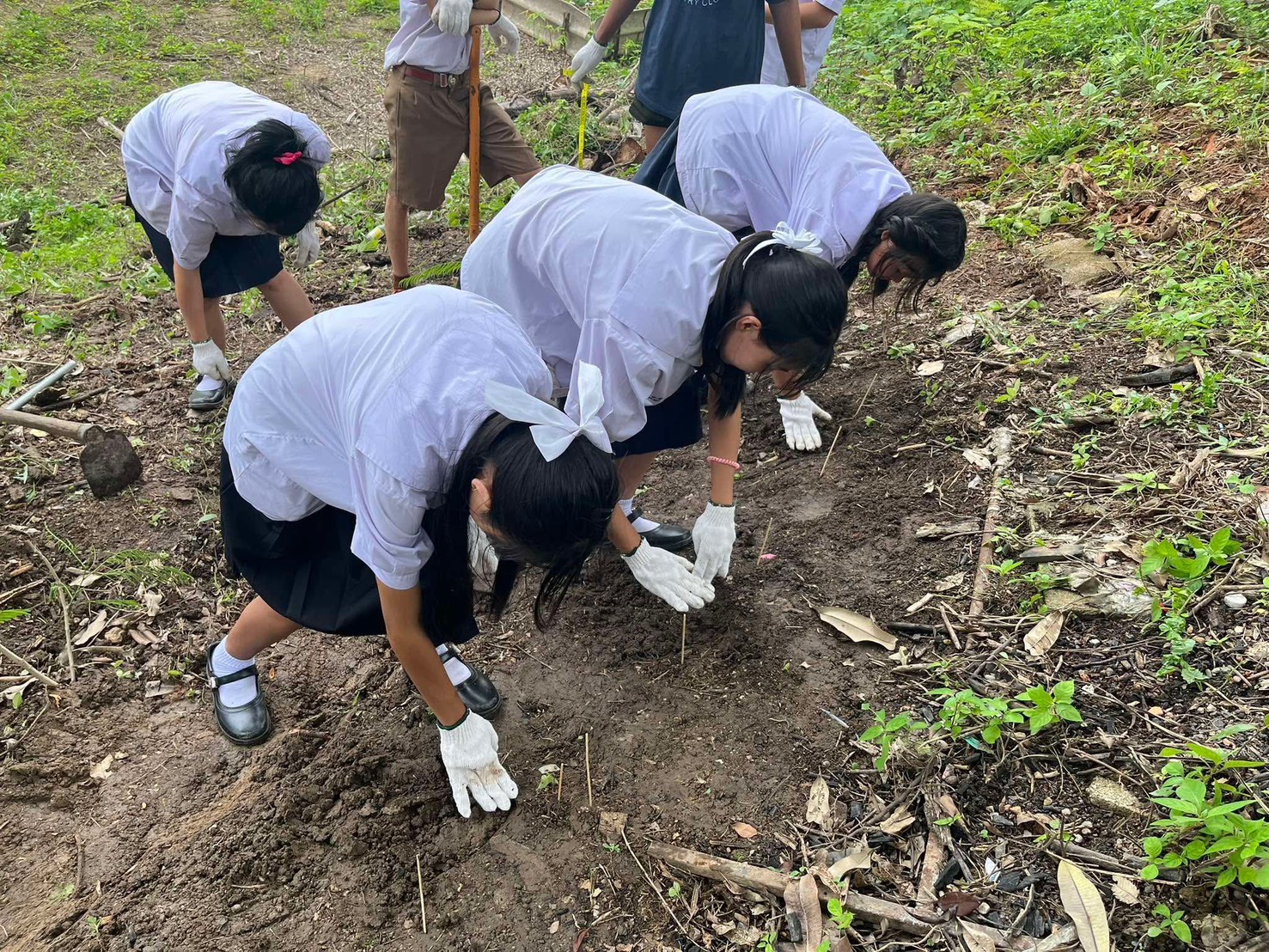
This is how Ben Thanrada Yawichai, a Teach for Thailand Fellow from Cohort 10 and former teacher at Wiang Chiang Rung Wittayakhom School, defines innovation. Together with Jan Nattanun Jaisom, a Fellow from Cohort 11, she initiated a “corn innovation” project in Wiang Chiang Rung District, Chiang Rai Province.
In a community where corn is the primary economic crop, the two teachers chose not to see corn merely as an agricultural product, but as learning capital—something students could build upon, add value to, and transform through hands-on experience.
What began as ordinary corn cobs grown behind the school gradually became a living classroom—one that connects academic learning, vocational skills, and pride in students’ hometowns.
Innovation from What Is Already Around Us
In the areas surrounding the school, most families earn their livelihoods from corn farming. Many students at Wiang Chiang Rung School are children of corn farmers themselves.
Rather than selling corn at a low price as raw produce, Ben and Jan invited students to reimagine corn—exploring ways to transform it into value-added products that could strengthen the local economy.
The teachers collaborated with local experts, turning the school grounds into a shared learning space where students planted corn, experimented through trial and error, cared for their crops closely, and grew together throughout the process.
“The students really enjoyed it,” Ben recalled. “Some of them come from families that grow corn, yet they didn’t actually know how to grow it themselves. They didn’t know when corn flowers or when it bears fruit. But once they started, they took great care of their corn.”
Jan added that at the heart of the project was a desire to equip students with vocational skills—skills that could one day help them support themselves and their families.
“Our core intention was to help students develop job skills. If they want to build a livelihood, they should start from what already exists around them.”
What may seem ordinary eventually became something powerful: a classroom born from corn seeds, where students learn through real practice and grow alongside a learning process they actively choose.
Corn Seeds That Open Spaces for Learning
Growing a single corn plant takes approximately three to four months. For students, this is no small task—it requires discipline, responsibility, and genuine care.
“It’s like they knew the corn belonged to them. They felt responsible for it,” Jan said, recalling how students nurtured their plants.
Ben emphasized that teachers did not overly instruct. Instead, they allowed students to learn through experimentation—observing patience and perseverance at every stage of the growing process.
“They watered the plants, fertilized them, pulled weeds, and waited anxiously to see whether the corn would grow or fail. During heavy rains, they had to find ways to protect their crops. In the end, they got to see their own corn cobs grow.”
With the support of teachers, community knowledge, and students’ creativity, corn from Wiang Chiang Rung District is no longer just raw produce. Students have begun transforming it into products such as corn crackers and buttered corn.
“We give students space to think and design on their own,” Jan explained. “They come to consult us—asking whether an idea is feasible. We guide them on budgeting. Some students experimented with both savory and sweet products.”
At the school’s Academic Open House in January 2026, although the products will not yet be sold, it will mark the first moment the wider community begins to see corn as something far more valuable than before.
While this innovation may appear simple, Ben believes it has sparked something profound—encouraging students to notice their surroundings and think creatively about transforming what they already have into products that respond to real needs.
“Many students started asking what we would plant next year—whether we would grow corn again. Even students outside the project began asking what we were doing and how the corn could be used. It’s like they, too, began paying attention to what was around them.”
This small, corn-based project at Wiang Chiang Rung School may not be the complete answer to transforming Thai education. But it reflects a broader truth: education belongs to everyone, and meaningful change happens when young people’s potential grows hand in hand with their local communities—sustainably and with purpose.
Learn more about supporting community-rooted learning initiatives
🔗 https://www.teachforthailand.org/give/corporate